Aerobic septic tank: how it works, costs, and maintenance
By the SepticMind Editorial Team
TL;DR
- An aerobic septic tank pumps air into the treatment chamber to grow oxygen-loving bacteria that break down wastewater far more thoroughly than a conventional anaerobic tank.
- They cost $10,000 to $20,000 installed, need quarterly or annual inspections in most states, and produce effluent clean enough for spray or subsurface drip irrigation on small or poor-soil lots.
What is an aerobic septic tank and how does it work?
A conventional septic tank is a buried box. Solids settle, scum floats, and partially treated liquid pushes out to a drain field. An aerobic septic system does something different: it pumps air into the treatment chamber to feed aerobic bacteria, the same microorganisms cities use in their wastewater plants, and those bacteria digest organic material far faster than the anaerobic bacteria doing the work in a standard tank.
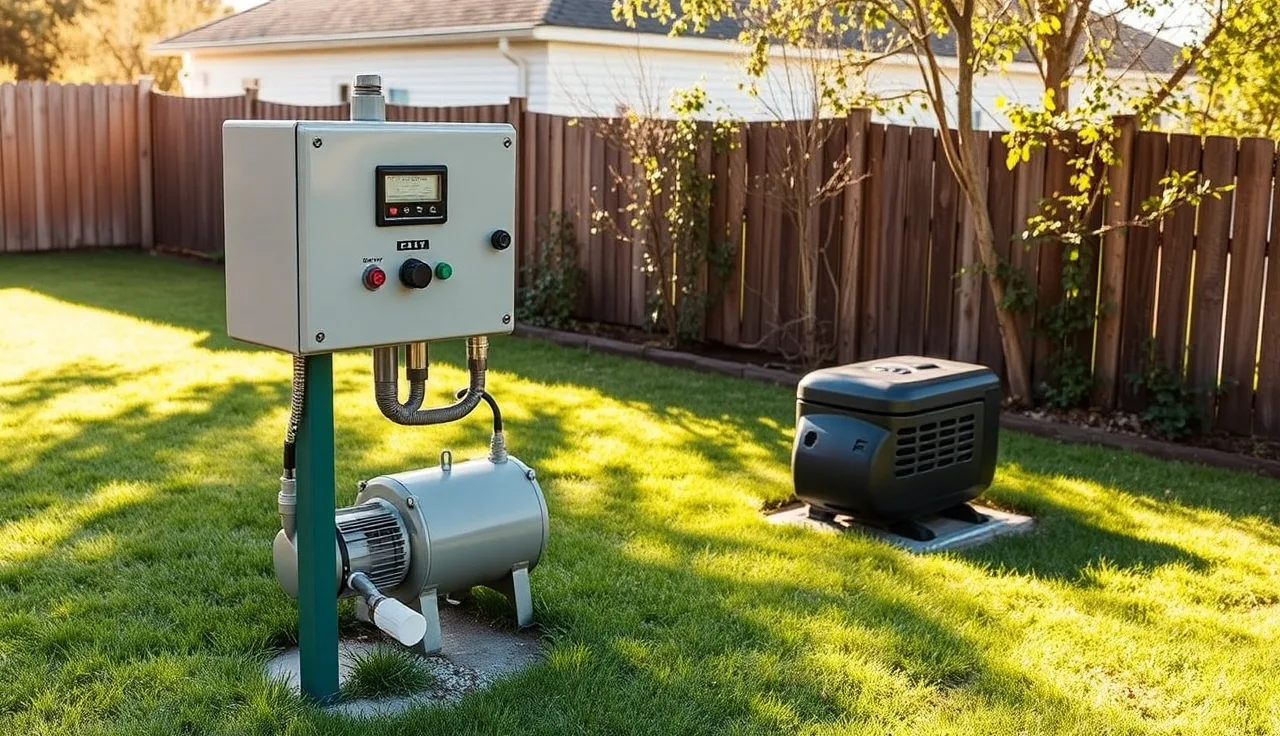
Most aerobic treatment tanks have three to four compartments running in sequence. Wastewater enters a trash or pre-treatment chamber first, where large solids settle out the same way they do in a conventional tank. From there, liquid flows into the aeration chamber, where an air compressor or diffuser bubbles oxygen through the water without stopping. Aerobic bacteria multiply fast in that oxygenated zone and consume biological oxygen demand (BOD) and suspended solids at rates conventional tanks can't touch. The treated water then moves into a clarifier or settling chamber, where any remaining solids drop out before the effluent reaches the final stage.
That final stage is usually a chlorination or UV disinfection unit. Texas, one of the states with the most aerobic systems in the country, requires disinfection before any surface discharge or spray irrigation [1]. The EPA's SepticSmart program describes ATUs (aerobic treatment units) as capable of producing effluent that "can meet secondary treatment standards," which means BOD and suspended solids below 30 mg/L each, against the 150 to 200 mg/L typical of conventional septic effluent [2].
The air compressor runs around the clock. That's the biggest mechanical difference you'll notice as an owner. You'll hear a low hum near the tank, and your electric bill will show roughly 30 to 100 kWh per month depending on system size and compressor type.
Who actually needs an aerobic septic system?
Most people don't pick an aerobic system because they want one. They get one because their site leaves no other legal option.
Regulators typically require or push aerobic treatment units in a handful of situations: lots too small for a conventional drain field setback, soils with high clay content or very slow percolation rates (often called "tight soils"), high water tables that put the drain field too close to groundwater, replacement systems where the original drain field failed and there isn't enough replacement area, and properties near lakes, wellheads, or coastal waters where stricter nutrient or pathogen limits apply.
If your soil passes a standard perc test and you have enough land, a conventional system almost always costs less to install and maintain. The aerobic path makes sense when the conventional path is blocked, or when you're irrigating a yard with effluent and want a treated product that's genuinely safe for that use.
Some homeowners with large lots and fine soil still choose aerobic systems because the smaller drain field footprint lets them build more on the lot. That's a fair reason. Just go in knowing the ongoing maintenance costs before you make that trade.
What does an aerobic septic system cost to install?
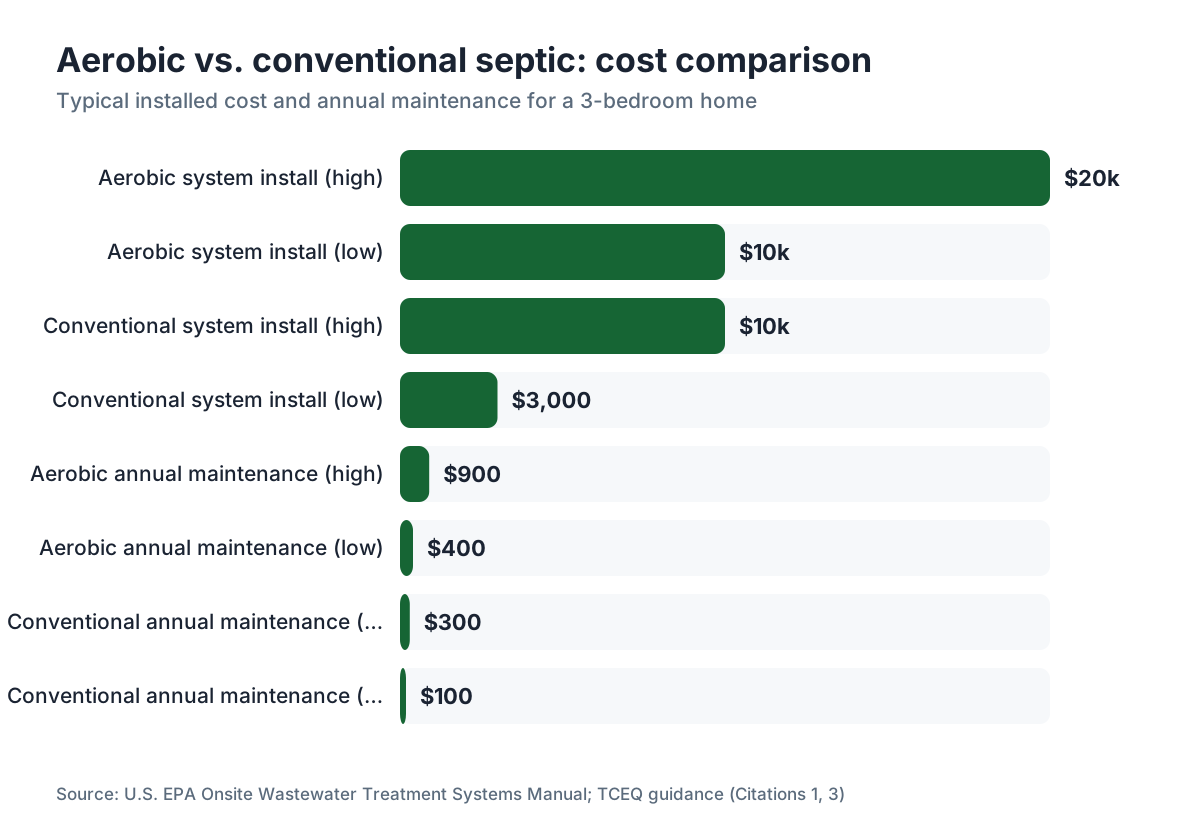
Installation costs for aerobic septic systems run $10,000 to $20,000 for a typical single-family home in most parts of the country. You'll see quotes as low as $8,000 in rural areas with cheap labor and as high as $30,000 or more on difficult sites or in high-cost states [3]. That range reflects real variation, not sloppy estimating.
The main cost drivers are system capacity (sized to daily flow, typically 400 to 600 gallons per day for a 3 to 4 bedroom home), the effluent disposal method (subsurface drip irrigation costs more than a small conventional leach field), the disinfection method (chlorine tablet units cost less upfront than UV systems), and local permit and inspection fees.
A standard conventional system typically runs $3,000 to $10,000 installed depending on drain field size and soil. So an aerobic system costs roughly double. That premium buys a system that works on land a conventional system can't legally use. See cost to install septic system for a full breakdown of what drives those numbers.
Replacement jobs often cost more than new construction because excavating and hauling off the old system adds to the bill. Replacing a failed system on a tight lot puts you at the high end.
| Component | Typical cost range |
|---|---|
| ATU tank unit (equipment only) | $2,000 - $5,000 |
| Compressor / aerator | $400 - $1,200 |
| Chlorinator or UV disinfection unit | $300 - $1,500 |
| Spray irrigation or drip field | $2,000 - $8,000 |
| Labor, excavation, permits | $4,000 - $10,000 |
| Total installed (typical 3BR home) | $10,000 - $20,000 |
What does it cost to maintain an aerobic septic system each year?
This is where aerobic systems surprise homeowners. The equipment doesn't just sit in the ground. It has moving parts, consumables, and mandatory service contracts in many states.
Budget $400 to $900 per year in maintenance under a standard service contract, plus about $30 to $100 per year in electricity for the aerator. Texas requires a two-year maintenance contract with a licensed provider as a condition of operating an ATU, and most states with a lot of aerobic systems have similar rules [1]. Those contracts usually cover quarterly or semi-annual inspections, chlorine tablet restocking, and minor repairs.
Chlorine tablets for the disinfection chamber run $50 to $150 per year depending on how often you restock and what brand you buy. Aerator motors or compressors fail every 5 to 10 years and cost $400 to $1,200 to replace. Spray heads or drip emitters clog and need cleaning or replacement, usually every few years.
Over 20 years, the total maintenance and operating cost of an aerobic system typically runs $8,000 to $18,000 above what you'd spend on a conventional system. Factor that into any comparison.
Pumping looks a lot like a conventional tank: most aerobic systems need the pre-treatment and clarifier chambers pumped every 3 to 5 years, sometimes more often with heavy household use. Check how often to pump septic tank for general guidance on pumping intervals.
What state and local permits or inspections does an aerobic system require?
Aerobic systems are regulated more tightly than conventional systems in almost every state that allows them. The reason is simple. They have more ways to fail, and when they fail, the effluent often goes to the surface or a drip field rather than deep into the soil.
The EPA's SepticSmart program lays out best practices but doesn't issue permits. Permitting happens at the state and local level, and the rules vary a lot. Texas regulates aerobic systems under Title 30 of the Texas Administrative Code, Chapter 285, which requires a licensed installer, a permit from the local permitting authority, and an ongoing maintenance contract [1]. Oklahoma, Florida, and several other southern states with large numbers of aerobic systems have comparable frameworks [6].
Most states require an inspection at installation, then periodic inspections ranging from quarterly (some Texas counties) to annually. Some states make the homeowner file an annual report or have a licensed operator certify the system is working. Check your state's environmental or health department for the specifics. The EPA's SepticSmart website links to state programs [2].
Permit fees vary by county but typically run $200 to $600 for a new system. Inspection fees under a service contract are usually bundled, but standalone inspections cost $150 to $400. If you're buying a home with an aerobic system, get a septic tank inspection from a licensed inspector before closing. The inspection should confirm the aerator is working, the disinfection unit has media, and the spray or drip field is functioning.
How do you maintain an aerobic septic system and keep it from failing?
Aerobic systems take abuse worse than conventional tanks, but the maintenance principles aren't complicated.
Keep the aerator running. This sounds obvious, but homeowners sometimes disconnect the compressor because of noise or to save electricity. Without air, the aerobic bacteria die off within hours and the system reverts to anaerobic conditions. Effluent quality drops, odors show up, and you can trigger a permit violation. If the aerator is loud, the fix is a replacement compressor with a good vibration-dampening mount, not shutting it off.
Restock chlorine tablets on schedule. The chlorination chamber needs tablets to hold a residual disinfectant level. Most systems need restocking every 1 to 3 months depending on flow. Run out and untreated effluent reaches the spray or drip field. Some inspectors flag an empty chlorinator as a critical violation.
Protect the bacteria from chemical overload. This is where aerobic septic tank treatment products get muddy. The dense aerobic bacterial population in a working ATU doesn't need supplemental bacteria from a bottle. What it needs is for you not to dump bleach, antibacterial cleaners, paint, solvents, or medications down the drain. One large bleach dump can knock back the population hard.
For clogs specifically, the best septic tank treatment for clogs in an aerobic system is usually the same as for conventional systems: enzyme-based products that break down grease and paper. Bacterial additives are largely unnecessary, and some research suggests they do very little [4]. If you have persistent solids buildup, the answer is a pumping, not an additive.
Keep the spray heads clear. If your system uses spray irrigation, the heads clog with mineral deposits and algae. Clean them during each inspection visit. Clogged heads push back pressure into the system and can damage the effluent pump.
Services like septic tank cleaning and septic tank pump out should happen on whatever schedule your licensed operator recommends for your specific system and household size.
What can go wrong with an aerobic septic system?
Aerobic systems have more failure modes than conventional tanks. That's one reason ongoing maintenance contracts exist.
Aerator failure is the most common mechanical problem. The air compressor or diffuser runs 24 hours a day and eventually wears out. Signs include no audible hum from the tank area, an alarm light on the control panel, or a visible odor from the tank. Most modern ATUs have a float alarm or buzzer that trips when dissolved oxygen drops. If that alarm sounds and silence is your response, you're running out of time before an inspection violation.
Effluent pump failure is the second big one. The pump that moves treated water to the spray or drip field sits submerged and fails from normal wear or from running dry when the water level drops below the intake. Replacement costs $300 to $800 for the pump plus labor.
Drain field or spray head problems show up as wet spots in the yard, ponding near spray heads, or unusually green patches. Those usually mean too much flow reaching the field or clogged emitters. A leach field failure in an aerobic system is often easier to address than in a conventional system because the effluent is cleaner and field rehab is more likely to work, but it's still an expensive repair.
Chlorine contact tank fouling happens when sludge builds up in the disinfection chamber and cuts contact time. The fix is cleaning the chamber during the routine pump-out.
For serious mechanical failures, see septic tank repair and septic system repair for a sense of what repair work involves and what it typically costs.
Are aerobic septic systems good for the environment?
Compared to a conventional septic system, yes, by a wide margin. The EPA reports that aerobic treatment units can reduce BOD by 85 to 98% compared to raw sewage, against roughly 65 to 70% for a well-functioning conventional system [7]. Pathogen reduction is also much higher when disinfection is working right.
That matters most near water bodies, in areas with shallow groundwater, or on high-density lots where systems sit close together. A failing conventional system in those settings can push nitrates, pathogens, and pharmaceuticals into wells and surface water. An aerobic system producing properly disinfected effluent poses a much smaller risk.
Nitrogen is the messier part of the story. Standard aerobic systems handle BOD and pathogens well, but they don't inherently remove nitrogen. Ammonia converts to nitrate in the aeration chamber through nitrification, and nitrate still reaches groundwater unless the system includes a denitrification step. Some advanced ATUs add an anoxic zone for denitrification, and some coastal states now require those systems in sensitive watersheds [11]. Check your state's requirements if nitrogen is a concern.
The spray irrigation end use is worth thinking through carefully. Spray irrigation with disinfected aerobic effluent is legal in many states and generally safe when the system is maintained. It is not safe to use the effluent on food gardens without knowing your state's specific reuse standards.
How does an aerobic system compare to a conventional septic system?
The honest comparison depends entirely on your site. On a lot with decent soil and enough space, conventional wins on every financial metric. On a lot where conventional isn't an option, aerobic isn't expensive compared to the alternative of no functioning system at all.
| Factor | Conventional septic | Aerobic septic |
|---|---|---|
| Install cost (3BR home) | $3,000 - $10,000 | $10,000 - $20,000 |
| Annual maintenance | $100 - $300 | $400 - $900 + electricity |
| Effluent quality (BOD) | ~150-200 mg/L | <30 mg/L (secondary standard) |
| Moving parts | None in tank | Aerator, effluent pump, spray heads |
| State inspection frequency | Varies, often none | Quarterly to annual, most states |
| Suitable for tight soils | No | Yes |
| Drain field size needed | Large | Smaller or drip irrigation |
| Power required | No | Yes (~30-100 kWh/month) |
For homeowners weighing a new system or replacing a failed one, the septic tank installation and cost to put in a septic tank guides cover conventional system economics in detail, which gives you a baseline for comparison.
One thing that doesn't get said enough: a well-maintained conventional system on good soil is a very reliable piece of infrastructure. Aerobic systems are more capable but also more fragile. If you have the option, paying a licensed soil evaluator and a designer to look at your site before defaulting to aerobic is worth every penny.
How do you troubleshoot an aerobic septic alarm or odor problem?
The control panel alarm is your first source of information. Most ATU control panels have indicator lights for high water level, aerator fault, and sometimes UV lamp or chlorinator status. When an alarm trips, read the panel before calling anyone.
High water level alarm: this usually means the effluent pump isn't moving water out fast enough. Either the pump has failed, the drip or spray field is saturated and backing up, or a float switch is stuck. Don't run water into the system until you know what's happening. Call your service provider.
Aerator or compressor alarm: the air supply has failed or is restricted. Check that the compressor has power and that the air line isn't kinked or disconnected. If the compressor is running but the system still alarms, the diffuser inside the tank may be fouled. That needs a service visit.
Odors near the tank or spray field: a sulfur smell usually means anaerobic conditions, which points to aerator failure or an overloaded system. A smell near spray heads can also mean the chlorine contact time is too short. A licensed operator can pull a sample and test effluent quality on-site.
If the problem is a component that's failed beyond field repair, a septic tank pump out followed by inspection of the internals is often the right first step. Pumping the chambers gives the technician clear visibility and removes accumulated solids that hide what's actually broken.
What should operators know about managing aerobic septic system service routes?
For septic service companies, aerobic systems are recurring revenue that conventional systems aren't. A single-family ATU under a standard service contract generates 4 to 12 service visits per year against one pump-out every 3 to 5 years for a conventional customer. The challenge is managing that frequency profitably.
The margin on ATU service contracts comes from efficient routing and standardized inspection protocols. A tech who shows up with a checklist, restocks chlorine, cleans spray heads, and logs dissolved oxygen readings in 45 minutes is profitable. A tech who burns 90 minutes troubleshooting because the right part wasn't on the truck is not.
Documentation matters legally, more than operationally. Many state programs require the licensed operator to certify system performance on a set schedule. Incomplete records create liability when a regulator or plaintiff asks for the service history. Platforms like SepticMind are built for this problem, helping operators track service history, schedule recurring visits, and hold onto the documentation state programs require across a large ATU customer base.
On the inspection side, aerobic systems also need septic tank inspection at property transactions more often than conventional systems, because lenders and buyers are getting wise to the ongoing maintenance obligation. That's another billable service most ATU operators under-sell.
What aerobic septic tank treatment products actually work?
This is an area with a lot of marketing noise and not much rigorous data. The honest answer: the aerobic bacterial community in a working ATU is self-sustaining and doesn't need bacteria added from a bottle. The EPA has noted that "biological and enzyme additives for septic tanks have not been shown to eliminate the need for routine pumping" [2], and that finding applies to aerobic systems too.
Where products can help is in the pre-treatment chamber, which acts more like a conventional settling tank and can benefit from enzyme-based treatments that break down grease and fibrous material before it reaches the aeration zone. Look for products that list lipase, protease, and cellulase on the label. Skip anything with surfactants or solvents.
Nobody has good, independent, controlled data specifically on aerobic septic tank treatment products in residential ATUs. The closest published work comes from the Water Environment Federation and some state extension services, which generally conclude that bacterial additives don't harm a healthy system but don't deliver measurable benefit either [4]. Enzyme products have better theoretical support for the pre-treatment chamber specifically.
If you're dealing with a clog, the likely spots are the effluent pump screen, the drip emitters, or the spray heads. Those are mechanical fixes, not chemistry problems. A pump-out and physical cleaning of the affected part will do more than any treatment product. If you want the best septic tank treatment for clogs in a broader sense, enzyme-based drain treatments used monthly can help hold off grease buildup in the inlet lines before it reaches the tank.
Frequently asked questions
How long does an aerobic septic system last?
The concrete or fiberglass tank itself can last 20 to 40 years or longer if it doesn't crack. The mechanical parts have much shorter lives: aerator compressors typically last 5 to 10 years, effluent pumps 7 to 15 years, and UV lamps 1 to 2 years. With proper maintenance and timely component replacement, a full aerobic system can run 20 to 30 years before major structural work is needed.
Can you use an aerobic septic system in cold climates?
Yes, with modifications. Most aerobic treatment units are built for warm climates and can lose treatment efficiency when temperatures drop below 40 degrees Fahrenheit. In colder states, installers bury the aeration chamber deeper, insulate the tank lid, or use heated ATU models designed for northern climates. Check with your state's onsite wastewater program for approved cold-climate ATU models if you're up north.
Do aerobic septic systems smell bad?
A working aerobic system should produce little to no odor. The aerobic process is actually less smelly than conventional anaerobic digestion when it's running right. Odor is a warning sign: if you smell sulfur or sewage near the tank or spray field, the aerator has likely failed or the system is overloaded. Get a service visit rather than masking the smell. A well-maintained ATU is usually odor-free.
How often should an aerobic septic tank be pumped?
Most aerobic systems need the pre-treatment and clarifier chambers pumped every 3 to 5 years, like a conventional tank. Heavy household use, a garbage disposal, or a larger household can shorten that to 2 to 3 years. Your licensed service provider should check sludge levels at each inspection visit and recommend pumping before solids reach the outlet of the pre-treatment chamber. Don't skip this just because the aeration system looks clean.
What happens if the aerator stops working in an aerobic septic system?
Without air, aerobic bacteria die within hours and the system shifts to anaerobic conditions. Effluent quality drops sharply, often back toward raw sewage levels, and the effluent reaching your spray or drip field becomes a health hazard. Most states treat aerator failure as a permit violation. Modern ATUs have an alarm that trips when the aerator fails. Respond to that alarm promptly rather than waiting for your next scheduled service visit.
Can you convert a conventional septic tank to an aerobic system?
Sometimes. Some installers retrofit existing concrete tanks by adding an aeration diffuser, a blower, and a disinfection chamber. Whether that's practical depends on the tank's condition, its volume, and whether local regulations allow it. A retrofitted tank rarely performs as well as a purpose-built ATU. If the conventional tank is old or structurally questionable, a full replacement is usually the better investment.
Is it safe to water a vegetable garden with aerobic septic effluent?
Generally no, even with a working aerobic system and chlorination. Disinfected aerobic effluent meets secondary treatment standards for BOD and suspended solids, but residual pathogens, pharmaceuticals, and chlorine itself can be present. Most state reuse standards prohibit aerobic effluent on food gardens. Ornamental landscaping is the approved end use in most jurisdictions. Check your specific state's effluent reuse rules before applying water to any edible plants.
What is the difference between an ATU and a conventional septic system?
A conventional septic system uses passive anaerobic bacteria in a settling tank to partially treat wastewater, then disperses the effluent through a drain field for soil treatment. An ATU (aerobic treatment unit) actively pumps air into a treatment chamber, growing aerobic bacteria that treat wastewater to near-secondary standards before disinfection. ATUs cost more, have moving parts, require ongoing maintenance contracts, and get used where conventional systems can't meet site or regulatory requirements.
How much electricity does an aerobic septic system use?
A typical residential aerobic system uses 30 to 100 kWh per month, depending on aerator size and whether you have a spray pump running. At the U.S. average residential electricity rate of about 16 cents per kWh in 2024, that's roughly $5 to $16 per month in electricity. Larger systems or those with multiple pumps run at the high end. It's a real but not enormous ongoing cost to factor into your total system economics.
Do aerobic septic systems require a service contract?
In many states, yes by law. Texas requires a two-year maintenance contract with a licensed provider as a condition of operating an ATU. Florida, Oklahoma, and other states with large aerobic system populations have similar requirements. Even where it isn't legally required, a service contract is a smart move because the system has mechanical parts that fail without warning and because inspection records are often required for property sales and regulatory compliance.
What kills the bacteria in an aerobic septic system?
Bleach and antibacterial cleaners are the biggest household threats. A single large bleach dump, like cleaning a washing machine drum with a cup of bleach and draining it, can knock back the aerobic bacterial population hard. Other threats include antibiotics flushed down the drain, paint thinner or solvents, and extended power outages that shut down the aerator. Normal household use of diluted cleaning products in moderate amounts is generally fine.
Can an aerobic septic system work without a drain field?
Yes, and that's one of its main advantages. Aerobic systems can discharge to spray irrigation, subsurface drip irrigation, or in some jurisdictions to surface water bodies or constructed wetlands, all with smaller land requirements than a conventional drain field. That's why aerobic systems work on small lots or poor-soil sites where a conventional leach field can't legally go in. The approved disposal options depend on your state's regulations.
What should I check when buying a house with an aerobic septic system?
Get a full inspection from a licensed ATU service provider, more than a general home inspector. Ask for the last two years of service records, including inspection reports and pump-out history. Verify the maintenance contract is transferable or that you can get a new one. Check that the aerator is running, the chlorinator has media, and the spray or drip field shows no wet spots or ponding. Find out who the local regulator is and whether the system has any open violations.
Sources
- U.S. EPA, SepticSmart Program - Septic System Types: EPA SepticSmart describes aerobic treatment units as capable of producing effluent that can meet secondary treatment standards and states that biological and enzyme additives for septic tanks have not been shown to eliminate the need for routine pumping.
- U.S. EPA, Onsite Wastewater Treatment Systems Manual (EPA/625/R-00/008): Installed aerobic septic system costs and the range of site conditions under which ATUs are required versus conventional systems.
- Florida Department of Health, Onsite Sewage Treatment and Disposal Systems: Florida requires permitting and inspection for aerobic treatment units and has regulations governing effluent reuse and spray irrigation from ATUs.
- U.S. EPA, Wastewater Technology Fact Sheet - Aerobic Treatment Units (EPA 832-F-00-031): Aerobic treatment units can reduce BOD by 85-98% compared to raw sewage and produce effluent with BOD and suspended solids below 30 mg/L under secondary treatment standards.
- U.S. Energy Information Administration, Electric Power Monthly - Average Retail Price of Electricity: U.S. average residential electricity rate of approximately 16 cents per kWh used to calculate monthly operating cost of aerobic system aerators.
- North Carolina State University Extension, Aerobic Treatment Units for Onsite Wastewater: Aerator compressor lifespan of 5-10 years and effluent pump lifespan of 7-15 years for residential ATUs; spray head clogging intervals and maintenance practices.
- Water Environment Federation, Residential Onsite Systems Fact Sheet: Independent research on bacterial additive products for septic and aerobic systems finds no measurable treatment benefit in normally functioning systems.
- National Environmental Services Center (NESC) at West Virginia University, Aerobic Treatment Units Tech Brief: Pre-treatment chamber and clarifier chamber pumping intervals of 3-5 years for residential aerobic systems; nitrogen treatment limitations of standard ATUs without denitrification zones.
Last updated 2026-07-09