Active septic tank treatment pods: do they actually work?
By the SepticMind Editorial Team
TL;DR
- Active septic tank treatment pods are dissolvable capsules packed with live bacteria and enzymes that you drop into a toilet or tank port monthly.
- Independent research and EPA guidance both say a properly loaded, regularly pumped tank already has all the bacteria it needs.
- Pods are cheap and low-risk.
- There's no solid evidence they extend pump intervals or save your drain field.
What are active septic tank treatment pods?
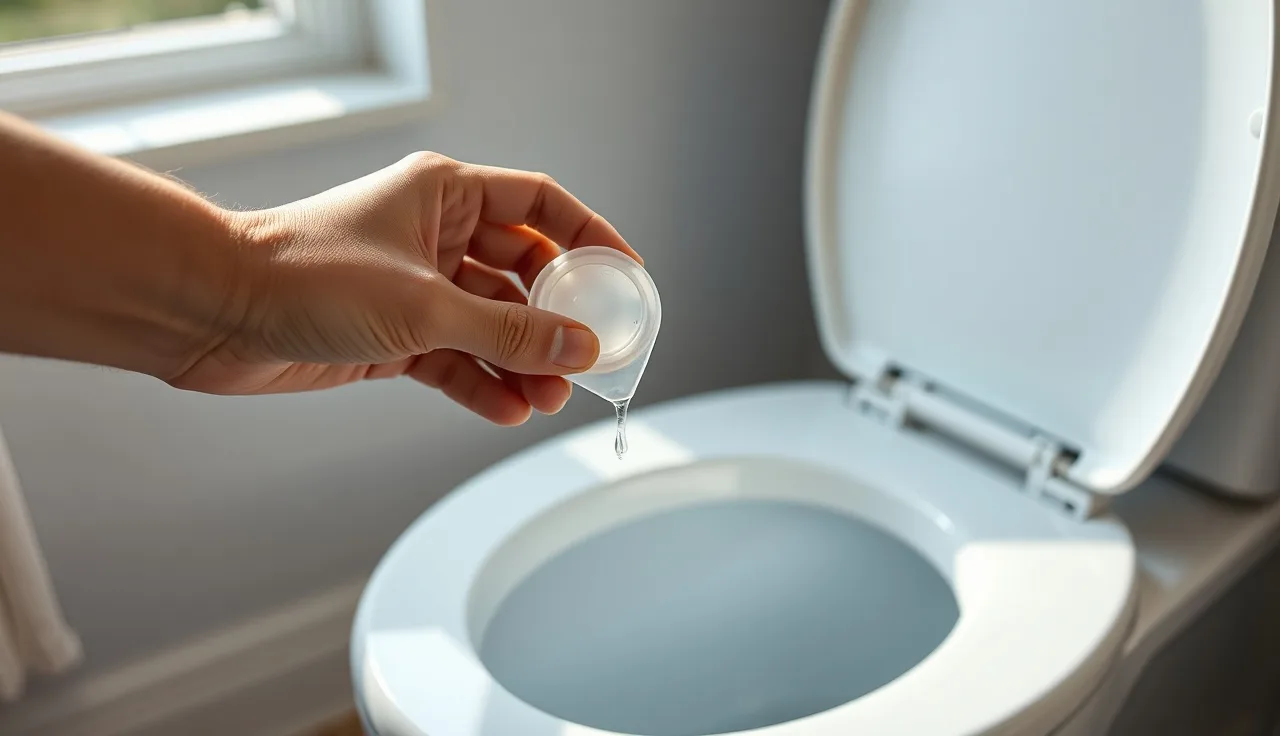
Active septic tank treatment pods are pre-measured, water-soluble packets, about the size of a large laundry pod, that hold concentrated live bacteria, dormant bacterial spores, or an enzyme blend meant to break down organic waste in a septic tank. You flush one down a toilet or drop it through an access port. It dissolves on contact with water and releases its contents into the tank.
The word "active" separates these from older liquid or powder additives. The pitch is that a slow-release, encapsulated format gets bacteria to the tank in better shape than a liquid that degrades on the shelf or gets diluted before the microbes take hold.
Most pods aim at one of three things: speeding up the breakdown of solids, cutting odor from hydrogen sulfide gas, and supposedly stretching the time between septic tank pump-outs. Strains vary by brand, but the common one is Bacillus, picked because it makes hardy spores that survive manufacturing and tolerate the shifting pH and oxygen levels inside a residential tank [1].
You'll find pods in hardware stores, home-improvement chains, and online. A three-month supply runs $10 to $30. That's cheap enough that plenty of homeowners figure they're worth a shot, which is fair. The real question isn't whether they're affordable. It's whether they do anything a healthy tank wouldn't already do on its own.
How do septic tank bacteria actually work, with or without pods?
A working septic tank is already a crowded biological reactor. Every flush carries billions of gut bacteria into the tank. Anaerobic bacteria, the ones that thrive without oxygen, run the show and do most of the work breaking fecal solids, food particles, and toilet paper into simpler compounds [2].
The breakdown happens in three zones. Sludge, the heavy solids that digestion can't fully liquefy, settles at the bottom. A scum layer of fats, oils, and grease floats on top. The liquid in the middle, the effluent, flows out to the drain field. Bacteria work all three layers, but they never eliminate solids, which is exactly why septic tank pumping is needed every three to five years no matter what additive you use [3].
A healthy tank runs a self-regulating bacterial population. Food comes in daily as human waste. Bacteria reproduce to match the supply. There's no meaningful bacterial shortage in a normally used tank. The ceiling on digestion isn't the headcount of microbes. It's the chemistry: temperature, pH, and what's in the waste stream.
Bacterial populations do crash sometimes. It takes a big slug of antibacterial chemicals to do it: bleach poured in by the gallon, a heavy antibiotic course, a disinfectant cleaner used way too hard. After one of those events, a bacterial supplement, pods included, has a real mechanism for helping recovery. Outside that scenario, the case for benefit is thin.
What does the EPA say about septic tank additives?
The EPA does not recommend any additive, biological or chemical, as a substitute for regular pumping. Its SepticSmart program is the agency's main public education framework for onsite wastewater, and its guidance on this is blunt.
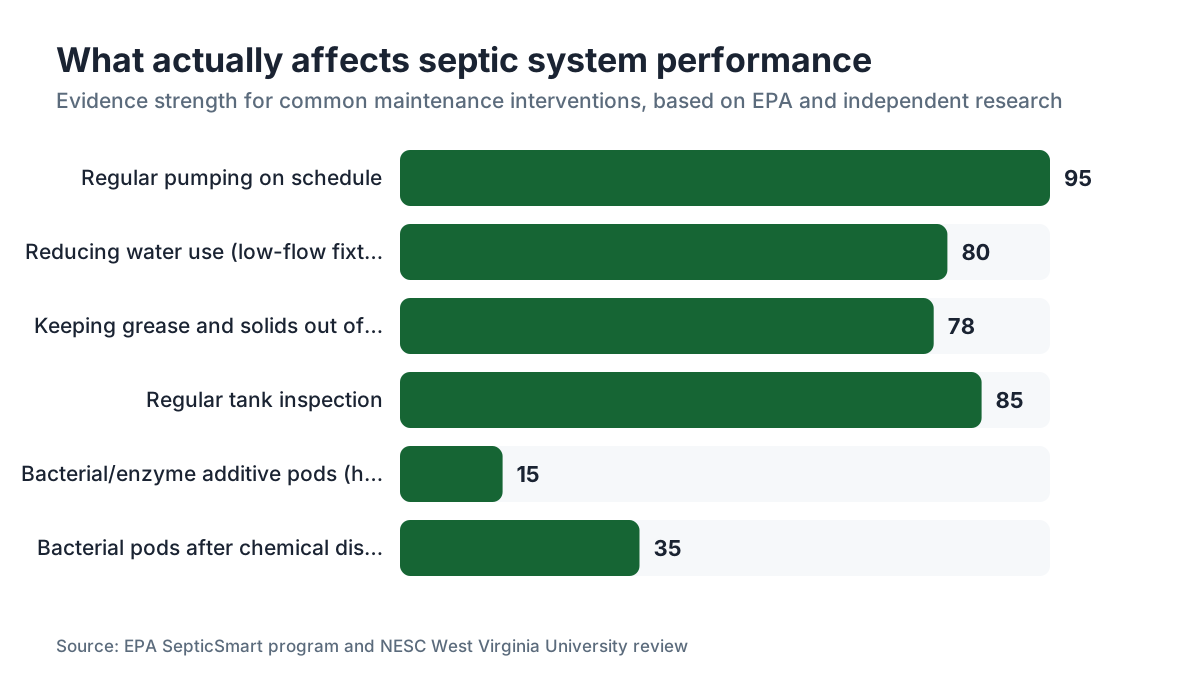
EPA states: "Biological additives (bacteria and/or enzymes) can be sold as septic tank treatments. There's no scientific evidence that they improve the performance of a properly functioning septic system." That comes straight from the EPA's SepticSmart homeowner materials [4]. Read it carefully. It doesn't call pods harmful. It says there's no verified performance benefit in a system that's already working.
The National Environmental Services Center (NESC) at West Virginia University reviewed the literature on septic additives and landed in the same place. Biological additives are unlikely to harm a system, but the evidence for measurable benefit, faster solid reduction, longer pump intervals, or better effluent quality, isn't backed by controlled field studies [5].
A few state programs go further. Florida's Department of Health has flagged certain chemical additives, specifically solvents sold to dissolve grease, for pushing partially dissolved solids into the drain field and causing early leach field failure [6]. Biological pods aren't in that risk class. Still, a good reminder: "natural" doesn't automatically mean safe at scale.
Is there any scientific evidence that treatment pods work?
Here's the honest state of the research: the evidence is weak, and the good studies are old.
The most-cited independent work on biological septic additives is a set of controlled tank trials run in the 1990s and summarized in a 1994 Water Environment Research Foundation report. Those trials found no statistically significant difference in sludge accumulation, effluent quality, or bacterial counts between tanks getting biological additives and control tanks getting nothing [7].
Manufacturer-funded studies show benefit. But a company studying its own product isn't reliable evidence. There's no peer-reviewed, independently replicated trial in a major environmental engineering journal showing measurable field benefit from any biological septic pod at normal residential use rates.
Absence of evidence isn't evidence of absence, though. The core problem is that septic tanks are wildly variable. Tank size, household size, water habits, soil type, and incoming waste chemistry all interact in ways that make clean comparison genuinely hard. Nobody has a strong reason to fund the multimillion-dollar trial that would settle it.
What I'll say plainly: pods won't hurt you. The strains used are non-pathogenic and approved for septic use in most U.S. states. The risk of harm is very low. The odds of meaningful benefit in a well-maintained system are also very low. In a neglected or recovering system, there's at least a plausible path to modest help.
Do septic treatment pods reduce how often you need to pump?
Almost certainly not in any way that matters. Treat marketing claims to the contrary with suspicion.
The reason is biology. Bacteria break down dissolved organic matter, but they can't fully mineralize the inorganic bits of solids or fully digest fibrous material. Sludge builds at a fairly predictable rate tied to household size and water use. EPA and most state extension services put the rule of thumb at every three to five years for a household of four [3].
More bacteria from pods doesn't change the chemistry that makes sludge accumulate. Think of it this way. The tank isn't starved for bacteria. It already holds trillions. Adding a billion more with a monthly pod is like tipping a cup of water into a swimming pool and waiting for the level to rise.
Want to actually stretch the time between pump-outs? The moves with real evidence are simple. Cut water use with high-efficiency toilets and fixtures. Flush nothing but human waste and toilet paper. Keep grease and food solids out of the drain, which means skipping the garbage disposal or barely using it. And inspect the tank so you pump on measured sludge depth instead of a calendar [3][4].
For realistic intervals and how to measure them, the how often to pump septic tank guide walks through the methods.
When might a treatment pod actually help?
A few scenarios give a biological pod a plausible, if still unproven, benefit.
After antibiotic disruption. When someone in the house finishes a heavy course of broad-spectrum antibiotics, some of the drug passes through into the waste stream and can knock back tank bacteria. A supplement afterward has a logical basis. The tank recovers on its own, but a pod might shave off a few days or weeks.
After tank pumping. A freshly pumped tank has lost most of its bacterial population. Some pumpers suggest flushing a supplement after service to re-seed the tank. The evidence is anecdotal, the mechanism is sound, and the cost is trivial.
Long stretches of non-use. Vacation homes and seasonal properties starve their tanks when no wastewater comes in for weeks or months. A pod added before you reopen for the season may restart the biology faster.
Odor in specific cases. Some formulations include strains chosen to outcompete the sulfur-reducing bacteria behind hydrogen sulfide odor. If odor is the complaint, a targeted pod has more logic behind it than a general-purpose product. First check whether the smell points to something worse, like a failing leach field or a tank overdue for septic tank cleaning.
None of these are backed by controlled trials on pod-format products. They're extrapolated from general microbiology. That's the honest framing.
How do treatment pods compare to liquid and powder septic additives?
The additive market runs in three formats: liquids, powders, and pods or tablets. Here's how they stack up on the things that matter.
| Format | Shelf stability | Dose accuracy | Ease of use | Bacteria viability at delivery | Typical price per month |
|---|---|---|---|---|---|
| Liquid | Low to medium | Variable | Easy | Often low (cells pre-germinated) | $5-$15 |
| Powder | Medium | Good | Moderate | Medium (dried but exposed) | $5-$12 |
| Pod/tablet | High | Excellent | Easiest | High (protected until dissolved) | $3-$10 |
The pod's main practical edge is consistency. You can't accidentally pour too much or too little. The water-soluble casing shields the spores from humidity and temperature swings during storage, which is a real problem with liquids that have sat on a shelf for 18 months [8].
But the format edge doesn't touch the core question. If a healthy tank has no bacterial deficit, a more reliably delivered dose still fixes a non-problem.
Chemical additives, meaning solvents and surfactants, are a different animal and carry more risk. Florida, Michigan, and Washington have all issued guidance discouraging or banning certain chemical additive types over documented drain field damage [6]. Biological pods don't carry that risk. Check your state's onsite wastewater regulations anyway, because a handful of states have specific additive restrictions.
Are active septic treatment pods safe for your system and the environment?
For biological pods using Bacillus strains, safety concerns are minimal at normal use rates. Bacillus species live everywhere in soil and water and aren't linked to septic system damage in peer-reviewed literature [1]. Most state health departments consider them acceptable in onsite systems.
The path these bacteria take matters too. After the tank, effluent moves to the drain field, where soil filters it before any remaining liquid reaches groundwater. Bacillus spores can survive into the soil, but they're already there in enormous numbers. What one monthly household pod adds is nothing next to the ambient soil population.
Be more careful with pods that pack added enzymes alongside bacteria. Protease and lipase blends are usually fine, but some enzyme mixes carry surfactants or carrier chemicals that can be mildly toxic to soil microbes at higher concentrations. Read the ingredient disclosure if there is one. If a maker won't list the strains and enzyme types on the label or website, pass.
One more thing. Pods are not a substitute for inspection or repair. If your tank is backing up, your leach field is soggy, or you have persistent odors, those call for a licensed inspector, not a pod. A failing system needs septic system repair, not a biological supplement.
How do you use septic treatment pods correctly?
Usage is simple, which is one of the pod format's genuine advantages.
For most products, you drop one pod into the toilet closest to the main sewer line and flush with a full tank. Then leave that toilet alone for 8 to 12 hours if you can, so the bacteria reach the tank and start establishing before fresh water dilutes the dose. Some makers say to flush at night before bed for exactly this reason.
Frequency varies by product, but monthly is the standard. Some suggest a heavier dose for the first two or three months if you're starting a new regimen or treating a tank that's gone years without maintenance.
A few things blunt a pod's effect. Running big laundry loads right after treatment sends a grey water surge that dilutes and flushes bacteria out before they settle in. So does heavily chlorinated water from a softener bypass, or a big slug of household bleach within a day of dosing.
If you have a pump chamber or an advanced treatment unit downstream of the primary tank, read the label first. Some pod formulations aren't built for those setups and could interfere with mechanical parts or disinfection stages.
Storage matters more than people think. Keep pods cool, dry, and out of sunlight. A damp cabinet under a sink can cut shelf life hard, dropping the viable bacterial count before the product ever hits the tank [8].
What's the honest cost-benefit of using septic treatment pods?
Put real numbers on it.
A monthly pod regimen runs $36 to $120 a year, depending on the product. A residential pump-out runs $300 to $600, with a national average around $400 [9]. If a pod could genuinely stretch pump intervals from three years to four, you'd save roughly $130 a year (one pump every four years versus one every three). That math would make pods a smart buy.
But the evidence doesn't support the extension claim. So the realistic calculation is this: pods buy peace of mind and maybe faster recovery after a disruption, for $36 to $120 a year. Whether that peace of mind is worth it is your call.
Here's what's definitely worth the money. Get your tank inspected every two to three years so you pump on actual sludge depth, not a calendar guess. A septic tank inspection runs $100 to $300 and hands you real data. That beats any additive as an evidence-based investment.
If you're an operator running multiple residential accounts, tracking which properties used additives and comparing that against measured sludge accumulation over time is the kind of data that sharpens your service recommendations. SepticMind lets operators log inspection findings and pump histories across a customer base, which is what makes those real-world comparisons possible.
The takeaway is short. Spend your septic budget on pumping on schedule, inspection when you're unsure of the schedule, and fixing problems early. Pods are fine as a cheap supplement. They're not a strategy.
What do state regulations say about using septic additives?
Additive rules vary a lot by state. There's no federal requirement to use or avoid biological additives, but several states have specific rules.
Florida's Department of Health, through its onsite sewage program, holds that biological additives aren't banned, chemical additives that could harm soil structure are prohibited, and no additive replaces the required pumping frequency set in Florida Administrative Code Rule 64E-6 [6].
Washington State's Department of Health has published guidance saying biological additives don't eliminate the need for regular inspection and pumping, and that chemical solvents can cause drain field failures [10].
Massachusetts's Title 5, one of the most detailed state septic codes in the country, gives additive use zero credit toward maintenance compliance. Pumping frequency is set by tank size and occupancy load, additive or no additive [11].
Before you buy any additive, five minutes checking your state's department of environmental quality or department of health for onsite wastewater rules is worth it. Most states publish these as accessible PDFs. If your state keeps an approved additive list, stick to what's on it. If there's no list, biological pods with disclosed strains are the safest choice.
For properties in regulated watersheds, near wells, or running advanced treatment systems mandated by permit, be extra careful. Some permit conditions spell out exactly what can and can't enter the tank, and breaking those conditions can affect your system's legal standing under local health codes.
Should you use septic treatment pods? A straight answer.
Plainly: pods are probably fine, probably not transformative, and definitely not a substitute for pumping.
If you want to use them, the best candidates list their bacterial strains clearly (Bacillus subtilis, Bacillus licheniformis, and relatives are the most researched), disclose enzyme types, and give real storage and shelf-life info. Skip anything that claims to eliminate pump-outs or slash sludge. Independent evidence doesn't back those claims.
If a friend asked about a normal household system that's been maintained on schedule, I'd tell them to skip the pods and put that $50 a year toward a better inspection schedule. If that same friend just moved into a house with an unknown history and was waiting on a pump appointment? Sure, throw a pod in. It won't hurt. It might help a little.
What matters for the long haul isn't the monthly pod routine. It's pumping before the sludge layer passes one-third of the tank volume, keeping harsh chemicals out of the drain, protecting the field from compaction and root intrusion, and catching small problems early. A cracked baffle. A slow-draining field. The septic tank repair and septic tank inspection pages cover those priorities in detail.
SepticMind's operator platform lets service companies track customer pump histories and inspection findings over time. That's how you build the real-world data to know whether any intervention, pods included, actually moves the needle for a specific customer's system.
Frequently asked questions
Can septic treatment pods replace pumping?
No. Even the best biological additive can't remove the inorganic and fibrous material that piles up as sludge at the bottom of your tank. The EPA and every major state onsite wastewater program are clear that regular pumping, typically every three to five years for a four-person household, is required no matter what additive you use. Pods are a supplement, never a substitute.
How often should you use septic treatment pods?
Most products call for one pod a month for maintenance, with a heavier initial dose of two to three pods a month for the first two or three months if you're starting fresh or treating a neglected system. Follow the specific product label, but monthly is the standard interval across most brands.
Do septic pods work in older or concrete tanks?
Yes. Pods function the same in concrete, fiberglass, or polyethylene tanks. Tank material doesn't change bacterial activity in any meaningful way. What matters more in older concrete tanks is the condition of the baffles and inlet pipe, since deteriorating concrete can change flow patterns. If your concrete tank is old, a visual inspection matters more than any additive.
Are septic treatment pods safe if you have a well nearby?
Biological pods using standard Bacillus strains aren't linked to groundwater contamination in peer-reviewed research. But if you're on a permitted system with well setback requirements or in a regulated watershed, check your state's onsite wastewater code before using any additive. The bigger groundwater risk is a failing drain field, not a properly used biological pod.
What happens if you use too many septic treatment pods?
Overdosing a biological pod is unlikely to damage the tank. Excess bacteria just die off when the food supply can't sustain the larger population. Very high concentrations of some enzyme types could theoretically over-liquefy the scum layer and push partially digested solids toward the outlet baffle, but that's a concern with extremely heavy overdosing, not from using two pods instead of one.
Will septic pods help with drain field problems?
No. Pods aren't an effective treatment for a clogged or failing drain field. Biomat, the layer of biological slime that blocks soil pores in a failing field, is a structural problem that needs rest, mechanical remediation, or field replacement. No bacterial supplement added to the tank reverses established biomat. If you see soggy ground or slow drains, call a licensed inspector before spending money on additives.
Can you use treatment pods in an aerobic treatment unit (ATU)?
Check the manufacturer instructions before adding any pod to an aerobic or advanced treatment unit. Some ATUs use disinfection stages (UV or chlorine tablets) that kill pod bacteria before they reach the tank. Others use bacterial strains optimized for aerobic conditions, which differ from the anaerobic Bacillus strains in most pods. When in doubt, ask your ATU service provider.
Do septic treatment pods reduce odors?
Some formulations include strains chosen to outcompete sulfur-reducing bacteria, the source of hydrogen sulfide and its rotten-egg smell. The odor reduction is real but modest and temporary. Persistent or worsening odors almost always point to a structural problem: a cracked lid, a failing vent, an overfull tank, or drain field issues. Use odor as a diagnostic signal, more than a nuisance to mask with a pod.
What bacterial strains should you look for in a quality pod product?
Look for products that clearly list their strains. The best-researched species for septic use are Bacillus subtilis, Bacillus licheniformis, Bacillus amyloliquefaciens, and Bacillus pumilus. These make persistent spores, tolerate anaerobic conditions, and carry long safety records. Be wary of any product that lists only a "proprietary blend" with no strain disclosure.
Are there states that ban or restrict septic treatment products?
A handful restrict chemical septic additives, especially solvent-based products. Florida, Michigan, and Washington have published explicit guidance against certain chemical additive types. Biological pods with standard Bacillus strains are generally permitted, but permit conditions on advanced systems or watershed-sensitive properties may restrict any additive. Always verify with your state's health or environmental quality department.
How do you know if a septic treatment pod is actually doing anything?
Honestly, from the outside, you mostly can't. The only real measurement is a before-and-after comparison of sludge depth at pumping, which your operator can record. Use pods consistently and track sludge accumulation across multiple pump cycles over six or more years, and you'd have real data for your specific system. That's a lot of patience for an inconclusive answer, which tells you something about the evidence.
Do treatment pods work in cold climates where tank temperatures drop in winter?
Bacterial activity slows sharply below 50 degrees Fahrenheit and nearly stops below 40. Pods added in winter may do little simply because the tank is too cold for active bacteria. That's one reason recovery after a cold-season shutdown takes time. In a cold climate, a fall application before the soil freezes is probably more useful than a mid-winter pod.
Is it better to add a pod right after pumping or before?
Right after pumping is the logical time. A freshly pumped tank loses most of its established bacteria along with the sludge. Adding a pod within a day or two of service gives the new bacteria a head start before waste input resumes. Some service providers recommend this as a routine step after every pump-out, though the evidence is anecdotal.
Are name-brand septic pods better than store-brand products?
Not necessarily. The strains that matter most, Bacillus species, are commodity organisms available to any manufacturer. A generic store-brand pod with a disclosed strain list and a reasonable colony-forming-unit count can work just as well as a heavily marketed brand at three times the price. Compare the CFU count and strain disclosure, not the packaging.
Sources
- National Library of Medicine, PubMed: Bacillus species in wastewater treatment review: Bacillus species produce hardy spores that survive manufacturing and tolerate the variable pH and oxygen levels inside a residential septic tank
- EPA, How Your Septic System Works: Anaerobic bacteria dominate the tank environment and are the primary agents breaking down fecal solids and organic material
- EPA, SepticSmart: Care and Maintenance of Your Septic System: A household of four typically needs pumping every three to five years, and pumping is required regardless of additive use
- EPA, SepticSmart homeowner materials on septic tank additives: EPA states there is no scientific evidence that biological additives improve the performance of a properly functioning septic system
- National Environmental Services Center, West Virginia University, Septic Additives Fact Sheet: Biological additives are unlikely to harm a system, but the evidence for measurable benefit is not supported by controlled field studies
- Florida Department of Health, Onsite Sewage Program, Septic System Additives: Some chemical additives marketed to dissolve grease can push partially dissolved solids into the drain field and cause premature leach field failure
- Water Environment Research Foundation, Evaluation of Biological Additives for Septic Systems (1994 summary): Controlled tank trials found no statistically significant difference in sludge accumulation rates or effluent quality between tanks receiving biological additives and control tanks
- University of Minnesota Extension, Septic System Care and Maintenance: Storage conditions significantly affect bacterial viability in additive products; humidity and temperature swings shorten shelf life and reduce active cell counts
- HomeAdvisor / Angi, Septic Tank Pumping Cost Guide: National average cost for a residential septic tank pump-out is approximately $400, with a typical range of $300 to $600
- Washington State Department of Health, Onsite Sewage Systems guidance: Biological additives do not eliminate the need for regular inspection and pumping, and chemical solvents can cause drain field failures
- Massachusetts Department of Environmental Protection, Title 5 Regulations (310 CMR 15.00): Massachusetts Title 5 does not credit additive use toward any maintenance compliance requirement; pumping frequency is set by tank size and occupancy load
Last updated 2026-07-10