Septic pump inspection: what it covers and what it costs
By the SepticMind Editorial Team
TL;DR
- A septic pump inspection tests whether your effluent or sewage ejector pump runs, cycles correctly, and moves the right volume of water.
- A technician checks the float switches, alarm circuit, pump draw, and discharge line.
- Expect to pay $100, $300 for a standalone pump inspection, or about $250, $500 when it's bundled into a full septic system inspection.
- Most pumps should be inspected annually.
What is a septic pump inspection?
A septic pump inspection is a targeted check of the mechanical pump that moves wastewater from one part of your septic system to the next. It's different from a general septic tank inspection, which looks at the tank, baffles, and drain field too. The pump inspection zeros in on a single piece of equipment. Does it run? Does it move enough water? Will it keep running?
Most residential systems that need a pump have either an effluent pump (moves clarified liquid from the tank to a mound system or drip field) or a sewage ejector pump (lifts raw sewage up to the main tank from a below-grade bathroom). Grinder pumps are a third type, common in low-pressure sewer systems. They shred and pump at the same time. Each type gets inspected a bit differently, but the core checklist is the same.
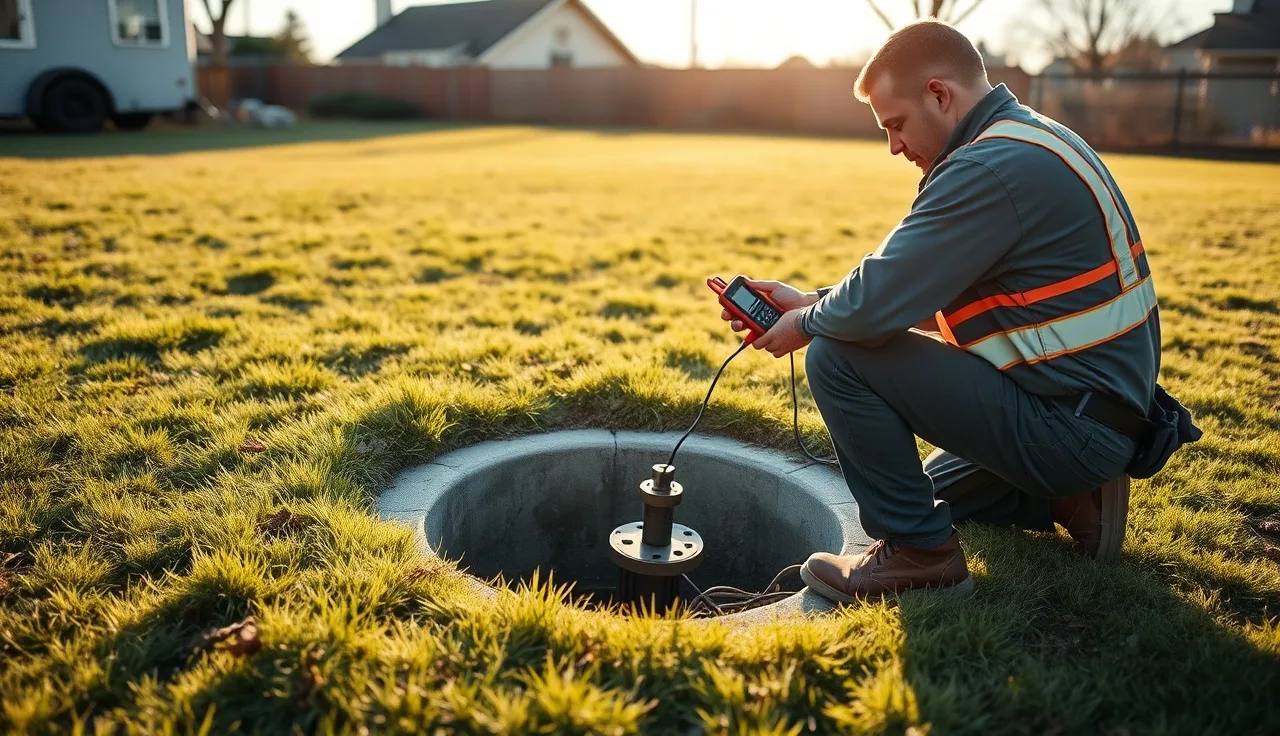
The inspection takes 45 to 90 minutes in most cases. A technician lifts the pump chamber lid, checks fluid levels, manually trips the floats, listens and watches the pump run, and measures electrical draw with a clamp meter. They also verify the high-water alarm fires when it should. None of this requires excavation if the access riser is already at grade. If it's buried, add time and possibly a small access fee.
Why does a septic pump need regular inspection?
Pumps fail silently. A clogged drain field backs sewage into your house before you can ignore it. A pump that's starting to draw too much current or cycle too often just keeps running until it burns out. By then the pump chamber is flooded and you're looking at an emergency service call, usually on a weekend.
The EPA's SepticSmart program recommends annual inspections for any septic system with mechanical or electrical components, because those parts have finite service lives and degrade in ways a visual check won't catch [1]. That guidance isn't arbitrary. Submersible pumps in sewage environments typically last 7 to 15 years, but that range assumes they aren't running continuously because of a stuck float or a slow leak recirculating water back into the chamber [2].
Inspection also protects your drain field. An effluent pump sending too much water, or sending it in long unbroken surges instead of timed doses, can hydraulically overload the leach field faster than almost anything else you can do to a septic system. A 15-minute inspection that catches a bad float switch can prevent a $10,000 drain field replacement.
For homes being sold, most real estate transactions in states with mandatory septic inspections (Massachusetts, New Jersey, and others) require proof that all mechanical components work. A failed pump inspection can kill a closing or force an escrow holdback.
What does a septic pump inspection actually check?
Here's what a thorough technician works through, roughly in order:
Float switches. The pump turns on and off based on water level, controlled by one or more float switches. The tech manually lifts each float to confirm it triggers the pump. A stuck or tangled float is the single most common cause of pump failure. Some systems have three floats: off, on, and alarm.
High-water alarm. Separate from the floats, the alarm circuit tells you the pump chamber is overfull. The tech trips the alarm float and confirms the audible or visual alarm fires. Dead alarm circuits are more common than you'd think, because homeowners sometimes silence a nuisance alarm and forget to fix it.
Pump run and cycle. The tech watches the pump run through at least one full cycle, listening for grinding, rattling, or cavitation. A pump that hums but doesn't move water, or one that cycles on and off every few seconds (short-cycling), is telling you something.
Electrical draw. Using a clamp-style ammeter, the tech measures running amperage and compares it to the nameplate rating. A pump drawing well above its rated amps is working too hard, usually because the impeller is worn or the discharge line is partly blocked. This is the check most homeowners can't do themselves.
Discharge line and check valve. Water leaving the pump goes through a check valve that prevents backflow when the pump shuts off. A failed check valve makes the pump re-lift the same water every cycle, cutting pump life in half. The tech listens for water draining back after shutoff.
Control panel and timer (if present). Mound systems and drip-irrigation systems use a timer or dosing controller to send effluent in measured doses. The tech confirms the timer matches your system's design and that the panel shows no fault codes.
Pump chamber condition. While the lid is open, the tech checks for excessive grease or scum buildup, inlet baffle condition, and any sign of infiltration (groundwater getting in). A chamber taking in groundwater will run the pump continuously and burn it out.
How much does a septic pump inspection cost?
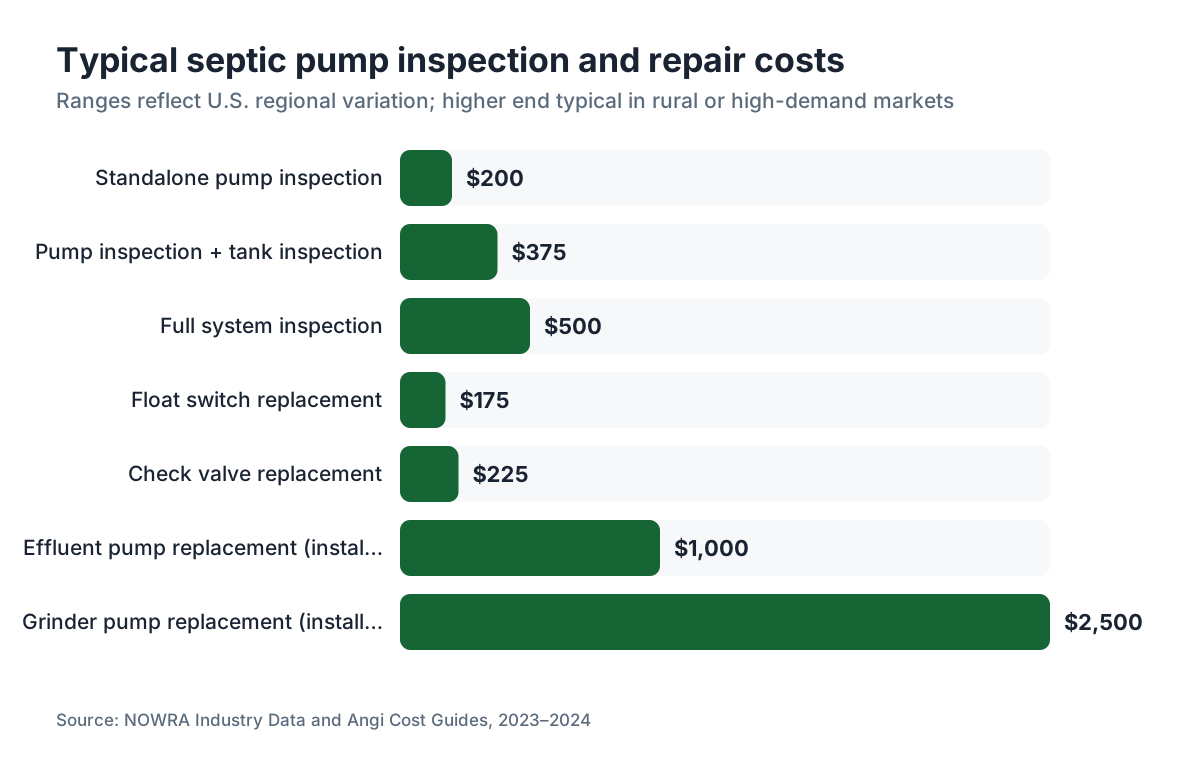
Costs vary by region and by what's bundled together. Here are honest ranges based on industry service data and published state fee schedules [3]:
| Service | Typical cost range |
|---|---|
| Standalone pump inspection | $100, $300 |
| Pump inspection bundled with tank inspection | $250, $500 |
| Full system inspection (tank, pump, field) | $300, $700 |
| Emergency pump inspection (nights/weekends) | $200, $500 |
| Pump inspection for real estate transaction | $300, $600 |
The wide ranges reflect real geographic variation. Rural areas with fewer licensed contractors run toward the higher end because you're paying for drive time. Dense suburban markets are more competitive.
What drives the price up: a buried access lid that needs locating, a chamber that hasn't been opened in years (time to clear debris and reassemble), and any state-mandated report with a licensed signature. What drives it down: a system that's been maintained regularly, easy access, and a technician doing multiple inspections on the same route.
If a tech quotes you under $75 for a pump inspection, ask what they're actually testing. Some companies call a visual peek through the lid a "pump inspection." That's not enough to know whether your pump is healthy.
For context on overall system costs, see our guide to septic tank inspection costs and what a full septic tank pump out runs.
How often should a septic pump be inspected?
Once a year is the right answer for most systems with effluent pumps or grinder pumps. The EPA's SepticSmart materials call out annual inspection for systems with pumps, and most state onsite wastewater regulations echo that [1][4].
There are cases where you'd want more frequent checks. If your pump is more than 10 years old, twice a year isn't overkill. If you had a float switch fail recently, inspect again in six months to make sure the replacement is seated correctly. If your household water use spikes seasonally (summer guests, a vacation rental), a pre-season check makes sense.
For pump inspection scheduling tied to how often to pump septic tank cycles, most technicians combine both at the same visit. That's efficient, but make sure the pump inspection isn't getting rushed. Pumping takes priority for some operators, and the pump check can shrink to a quick glance. Ask your technician specifically what they're verifying on the pump side.
One number worth knowing: the average residential effluent pump runs 7 to 15 years before needing replacement, according to pump manufacturer documentation and university extension guidance [2]. If your pump is approaching that window, document inspection results carefully. You want to know if amperage draw is trending upward year over year, because that's your early warning.
What are the signs your septic pump needs inspection now?
Don't wait for the annual visit if you see any of these:
The alarm is going off. A high-water alarm means the pump isn't keeping up. This is an urgent call, not a "check it next week" situation. A flooded chamber can overflow to the surface or back up into the house.
Sewage smell near the pump chamber. Some odor when the lid is open is normal. A persistent smell at grade level means something is leaking or venting improperly.
Slow drains through the whole house. If it's just one fixture, it's probably a pipe. If every drain in the house is sluggish at once, and your tank was pumped recently, the pump or its discharge line is a likely suspect.
Gurgling after the pump runs. A failed check valve lets water fall back into the chamber after each cycle. You sometimes hear it as a gurgle in the pipes.
Your electric bill jumped. A pump running continuously or short-cycling draws a surprising amount of power. If your bill went up noticeably and you can't explain it, check the pump.
You haven't had an inspection in more than two years. No symptoms doesn't mean no problem. Float switches can be partly stuck and still technically work, but not reliably.
Can you inspect a septic pump yourself?
Partially. A homeowner can safely do a few things: lift the pump chamber lid (if accessible), look for obvious flooding or scum buildup, manually lift the float to confirm the pump kicks on, and listen for the alarm. These checks take five minutes and can catch the most dramatic failures.
What you can't do without equipment: measure electrical draw, test the control panel accurately, assess impeller wear, or verify dose volume. You also can't issue the signed inspection report most states require for real estate transactions.
Treat the homeowner check as a between-visits sanity check, not a replacement for professional inspection. Run your floats seasonally if you're in a vacation home, or monthly if your pump is old. That early warning is worth the two minutes it takes.
For anything beyond the float test, especially if you're troubleshooting a problem, call a licensed septic technician. Septic pump chambers hold hydrogen sulfide gas under some conditions. Opening a pump vault in an enclosed space without understanding the ventilation is a genuine safety risk, not a theoretical one.
What happens if a septic pump inspection reveals a problem?
The outcome depends on what the inspection found. Common findings and what they mean:
Failed float switch. Usually a straightforward repair. Float switches cost $15, $60 for the part; labor brings the total to $100, $250 in most markets. A float switch can often be replaced the same day.
Worn or failing pump. If the amp draw is high and the pump is 10+ years old, replacement makes more sense than repair. A new submersible effluent pump runs $200, $600 for the part; installed cost is typically $500, $1,500 depending on pump type and depth [5]. A grinder pump costs more, often $1,000, $2,500 installed.
Blocked discharge line. Jetting or snaking the line is usually $150, $400. If the blockage is from root intrusion, you'll need to address the root problem or expect it to recur.
Failed check valve. Inexpensive part, moderate labor, because the tech often needs to pull the pump to reach it. Budget $150, $300.
Control panel fault. Timer panels and dosing controllers range from simple replacements ($100, $300) to complex diagnostic work if the issue is a relay or circuit board.
Pump chamber flooding or infiltration. This can be a bigger deal. If groundwater is getting in, you may need to seal the riser joints or repair the chamber. Costs vary widely, from $200 to several thousand dollars depending on depth and soil conditions.
For repairs that go beyond the pump itself and touch the tank or distribution system, see our articles on septic tank repair and septic system repair.
How does a pump inspection differ from a full septic inspection?
A full septic tank inspection covers the tank (inlet and outlet baffles, structural condition, scum and sludge layers), the pump system if one exists, distribution boxes or manifolds, and the drain field. It takes longer, costs more, and is what you need for a real estate transaction or when you suspect a system-wide problem.
A pump inspection is narrower. It's about the mechanical pump, its controls, and the discharge plumbing immediately connected to it. You'd get one when the pump is the specific concern, when you're doing annual maintenance on a system that got a full inspection the year before, or when a tech needs to diagnose a specific pump-related symptom.
They're not interchangeable. A technician who only looked at your pump can't tell you whether your drain field is failing or your tank needs pumping. And a technician who only did a visual tank inspection may not have verified that your effluent pump is actually moving the right dose volume on schedule.
For operators tracking inspection workflows across many customer accounts, tools like SepticMind help log inspection results and flag overdue pump checks by system type, which keeps these distinctions from falling through the cracks.
If your system is gravity-fed (no pump), you don't need a pump inspection. Simple as that. Gravity systems still need regular septic tank pumping and drain field checks, but there's no pump to inspect.
What do state regulations say about septic pump inspections?
State requirements vary a lot, which is genuinely frustrating for homeowners who move or own property in multiple states. Here's what's consistent across most state codes:
Systems with pumps are almost universally required to have an operations and maintenance (O&M) agreement with a licensed service provider. The O&M agreement typically mandates annual inspection of mechanical components including the pump, floats, alarm, and control panel [4][6].
Massachusetts Title 5 (310 CMR 15.000) requires inspection of pump systems at least annually and mandates that inspection records be kept by the homeowner and available on request [7]. New Jersey's private well and septic regulations similarly require annual O&M inspections for systems with pumps [8]. Many other states (Washington, Oregon, Florida, and others with advanced treatment requirements) have comparable rules [11].
For real estate, the standards tighten. Most states with mandatory point-of-sale septic inspections require a licensed inspector's signed report confirming all mechanical components functioned during the inspection. An inspector who didn't actually run the pump is not in compliance with those requirements.
The EPA's SepticSmart guidance, published annually, tells homeowners to "have your septic system inspected regularly" and calls out systems with mechanical components for more frequent attention [1].
If you're not sure what your state requires, your state environmental or health department's onsite wastewater section is the right place to look. Extension services at land-grant universities also publish state-specific guidance that's usually clearer than the regulatory text itself [6].
How to find and vet a septic pump inspector
Start with your state's licensing database. Most states license septic system installers and inspectors separately from pumpers. You want someone licensed as an inspector or O&M technician, more than a pumper who happens to pop the lid.
Ask specifically: do they use a clamp meter to check amp draw? Do they document float switch tests? Will they provide a written report? If the answer to any of those is vague or no, keep looking.
The National Onsite Wastewater Recycling Association (NOWRA) maintains a member directory and supports professional certification programs [9]. The National Association of Wastewater Technicians (NAWT) offers a Certified Inspector designation specifically for septic system inspections [10]. Either credential is a reasonable signal of seriousness, though plenty of competent local techs hold state licenses without national credentials.
For service operators running inspection businesses, documented proof of what was checked and when is what separates professional operators from the truck-and-bucket crowd. SepticMind's inspection logging tools let operators build that paper trail automatically, which matters when a customer needs records for a home sale or a regulatory audit.
Get at least two quotes for a standalone pump inspection. The range companies charge for equivalent work is wider than it should be, and a second quote helps you know whether you're being overcharged or whether the low quote is cutting corners.
Frequently asked questions
How long does a septic pump inspection take?
Most pump inspections take 45 to 90 minutes. A system with easy lid access and a healthy pump runs closer to 45 minutes. Add time if the access riser is buried, the chamber has heavy buildup, or the technician needs to diagnose a specific problem. A real estate inspection with a written report and documentation adds 15 to 30 minutes on top.
Can a septic pump inspection be done without pumping the tank first?
Yes, in most cases. The pump inspection focuses on the pump chamber and controls, not the main septic tank. You don't need to pump the tank first unless the inspection reveals a full or near-full tank that's causing the pump chamber to overflow, or unless your technician needs clear access to check inlet conditions. Pump inspection and tank pumping can be done in the same visit but are separate tasks.
What is the difference between an effluent pump and a grinder pump?
An effluent pump moves clarified liquid (effluent) that has already settled in the tank. It handles relatively clean water with minimal solids. A grinder pump handles raw sewage, using a cutting mechanism to shred solids before pumping. Grinder pumps are used when fixtures sit below the tank elevation or in low-pressure community sewer systems. They cost more to buy and inspect, and their cutting components wear out on their own schedule.
How do I know if my septic pump is running too often?
Normal pump cycles depend on your system design, but most residential effluent pumps run a few times per day, not continuously. If you can hear the pump running for long periods or cycling on and off every few minutes, something is wrong. Common causes: a stuck float, a failed check valve letting water drain back, a slow water leak in the house, or groundwater infiltrating the chamber. A tech can confirm which with a 15-minute visit.
Does a septic pump inspection cover the drain field?
No. A pump inspection covers the pump, floats, alarm, control panel, and discharge line up to where it exits the pump chamber. It does not assess the drain field or leach field. If you want the drain field evaluated, ask for a full system inspection. The two are often combined but are separate line items. A pump working perfectly can still be sending effluent to a failing drain field.
What should I do to prepare for a septic pump inspection?
Locate and clear any debris from the pump chamber access lid so the technician isn't digging through landscaping. Know where your electrical panel is and which breaker controls the pump. If you have records of past inspections, pump replacements, or alarm events, pull those out. Run a load of laundry the morning of the inspection so there's water in the system and the pump has a reason to cycle during the visit.
Can a failed septic pump inspection stop a home sale?
Yes. In states with mandatory point-of-sale septic inspections, a pump that fails to operate during inspection results in a failed inspection report. Most purchase agreements require a passing inspection before closing. The seller typically has to repair or replace the pump and pass a re-inspection. Costs for pump replacement run $500 to $2,500 depending on pump type, which is often negotiated into the sale price or handled via escrow.
How much does it cost to replace a septic pump after a failed inspection?
A standard residential effluent pump costs $200 to $600 for the part; installed, plan on $500 to $1,500. Grinder pumps run higher: $800 to $2,000 for the pump, $1,500 to $3,500 installed. Prices vary by region, pump depth, and whether the technician can reach the pump through an existing riser or has to excavate. Get the inspection report's specific failure noted in writing before accepting any repair quote.
Is a septic pump inspection required by law?
In most states, systems with pumps must have an annual operations and maintenance inspection under the O&M permit or agreement attached to your system. This isn't always enforced at the homeowner level, but the requirement is real. States like Massachusetts, New Jersey, and Washington have explicit annual inspection requirements for pump systems in their onsite wastewater codes. Check your state's environmental or health department for your specific obligation.
What is a septic pump float switch and why does it matter?
A float switch is a buoyant device tethered inside the pump chamber. As water rises, the float rises and trips a switch that turns the pump on. When water drops, the float falls and the pump turns off. If the float gets tangled, stuck up, or stuck down, the pump either never turns on (chamber floods) or never turns off (pump burns out). Float switch failure is the leading cause of emergency pump calls, and it's one of the first things a technician checks.
Can heavy rain affect my septic pump and should I inspect after flooding?
Yes, absolutely. Heavy rain and flooding can infiltrate the pump chamber through lid gaps or cracked risers, causing the pump to run continuously as it tries to keep up with groundwater. This burns pumps out fast. If your area had significant flooding and you have a pump system, a post-flood inspection is worth the cost. The technician checks for infiltration sources, verifies the pump still works, and clears any debris that washed in.
How is a septic pump inspection different from septic tank cleaning?
Septic tank cleaning, or pumping, removes accumulated solids and scum from the main tank. A pump inspection tests the mechanical pump that moves effluent out of the pump chamber. They're related but distinct services. Cleaning addresses the biological and solids side of the system; pump inspection addresses the mechanical and electrical side. Most well-maintained systems need both: tank cleaning every 3 to 5 years and pump inspection annually.
Sources
- EPA SepticSmart: Protect Your Investment: EPA SepticSmart recommends annual inspections for septic systems with mechanical or electrical components such as pumps
- University of Minnesota Extension (extension.umn.edu): Septic System Owner's Guide: Submersible effluent pumps typically last 7 to 15 years depending on maintenance and operating conditions
- National Onsite Wastewater Recycling Association (NOWRA): Industry Overview: Septic pump inspection costs vary by region; industry service data supports ranges of $100 to $300 for standalone pump inspections
- EPA: Onsite Wastewater Treatment Systems Manual: O&M agreements for pump-equipped systems typically mandate annual inspection of mechanical components including pump, floats, alarm, and control panel
- Angi: Septic Pump Replacement Cost Guide: Installed cost for a replacement residential effluent pump typically runs $500 to $1,500; grinder pumps $1,500 to $3,500
- Penn State Extension (extension.psu.edu): Homeowner's Guide to Septic Systems: State O&M programs for pump systems generally require annual inspection records to be kept by the homeowner
- Massachusetts Department of Environmental Protection: Title 5 Regulations (310 CMR 15.000): Massachusetts Title 5 requires annual inspection of pump systems and that inspection records be kept by the homeowner and available on request
- New Jersey Department of Environmental Protection: New Jersey septic regulations require annual O&M inspections for systems with pumps
- National Onsite Wastewater Recycling Association (NOWRA): Member Directory: NOWRA maintains a professional member directory and supports certification programs for onsite wastewater technicians
- National Association of Wastewater Technicians (NAWT): Certified Inspector Program: NAWT offers a Certified Inspector designation specifically for septic system inspections
- Washington State Department of Health: Washington State requires annual O&M inspections for septic systems with pumps under its onsite sewage regulations
Last updated 2026-07-09