Garburators and septic systems: what every homeowner needs to know
By the SepticMind Editorial Team
TL;DR
- A garburator adds food solids to your septic tank and roughly doubles how fast scum and sludge build up.
- That can cut your pump-out interval from every 3 to 5 years down to every 1 to 2 years.
- The EPA and most septic pros advise against them.
- If you already have one, pump more often and watch your drain field.
What does a garburator actually do to a septic tank?
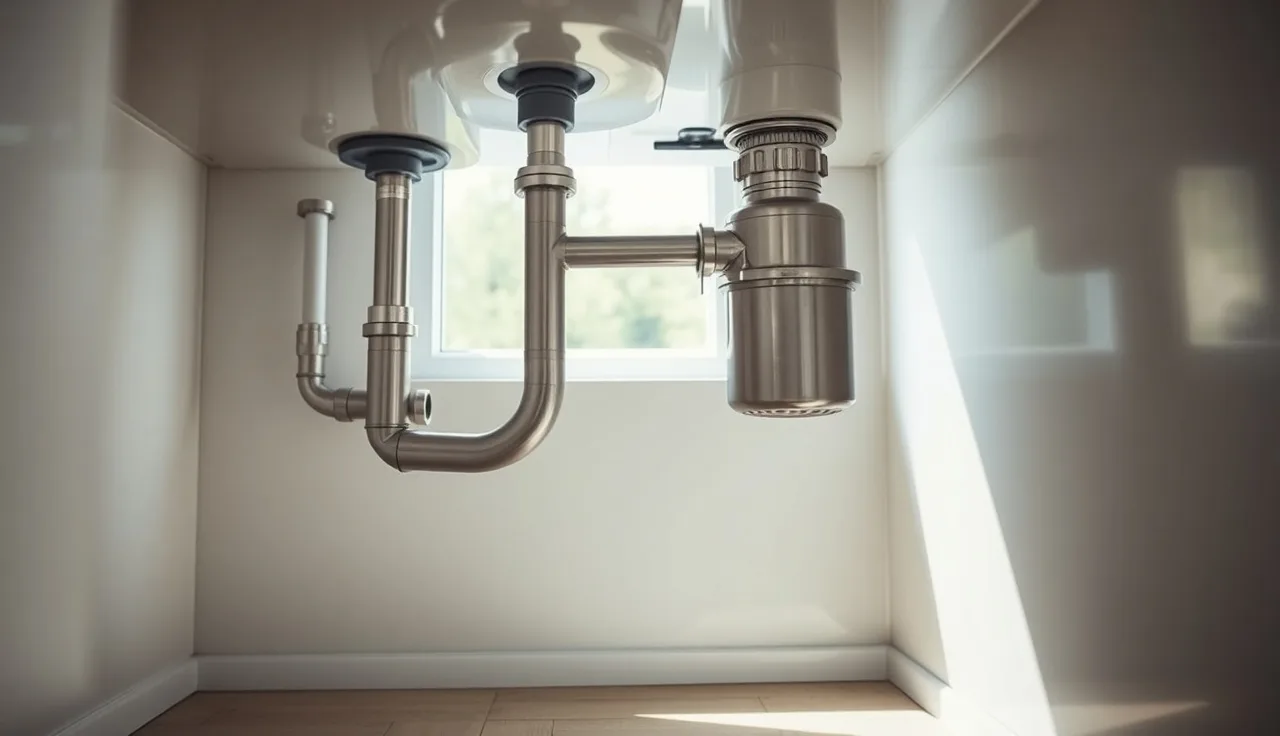
A garburator grinds food scraps into a slurry and flushes them into your septic system. Sounds harmless. The problem is that a septic tank is a biological settling chamber, not a garbage processor. It separates wastewater into three layers: floating scum on top, clarified liquid (effluent) in the middle, and settled sludge on the bottom. That middle layer is what flows out to your leach field.
Food waste is heavy in fats, proteins, and carbohydrates. Fats float and thicken the scum. Proteins and starches sink and pack into the sludge. Both layers grow faster when you run a garburator regularly. Get those layers thick enough and solids start pushing out into the effluent and heading toward your drain field, which is where the expensive damage happens.
The North Carolina Cooperative Extension, one of the more careful sources on this, reports that garbage disposals can raise the total solids load entering a septic tank by 50% or more [1]. That is not a rounding error. It changes how fast your tank fills and how often it needs emptying. If your tank was sized for a household without a garburator, adding one shrinks your effective capacity.
Does the EPA recommend using a garbage disposal with a septic system?
No. The EPA's SepticSmart program tells homeowners to avoid garbage disposals on septic because they add solids and force more frequent pumping. That is about as clear a position as a federal agency puts on paper.
Some states go further. North Carolina advises against garburators on septic outright. Minnesota's Pollution Control Agency gives the same warning [3]. A handful of states and local health departments prohibit new garbage disposal installations on septic properties, or require a larger tank if one is present. Check your county's onsite wastewater code before you install anything.
Disposal manufacturers push a counter-narrative. They claim "septic-assist" models with enzymes or microorganism cartridges fix the problem. The evidence is thin. The EPA does not endorse any specific disposal as safe for septic, and independent testing on the enzyme-cartridge products is sparse enough that I would not let one change your pumping schedule.
How much does a garburator shorten the time between septic pump-outs?
Roughly half. The exact number depends on household size and tank capacity, but the cut is real and predictable.
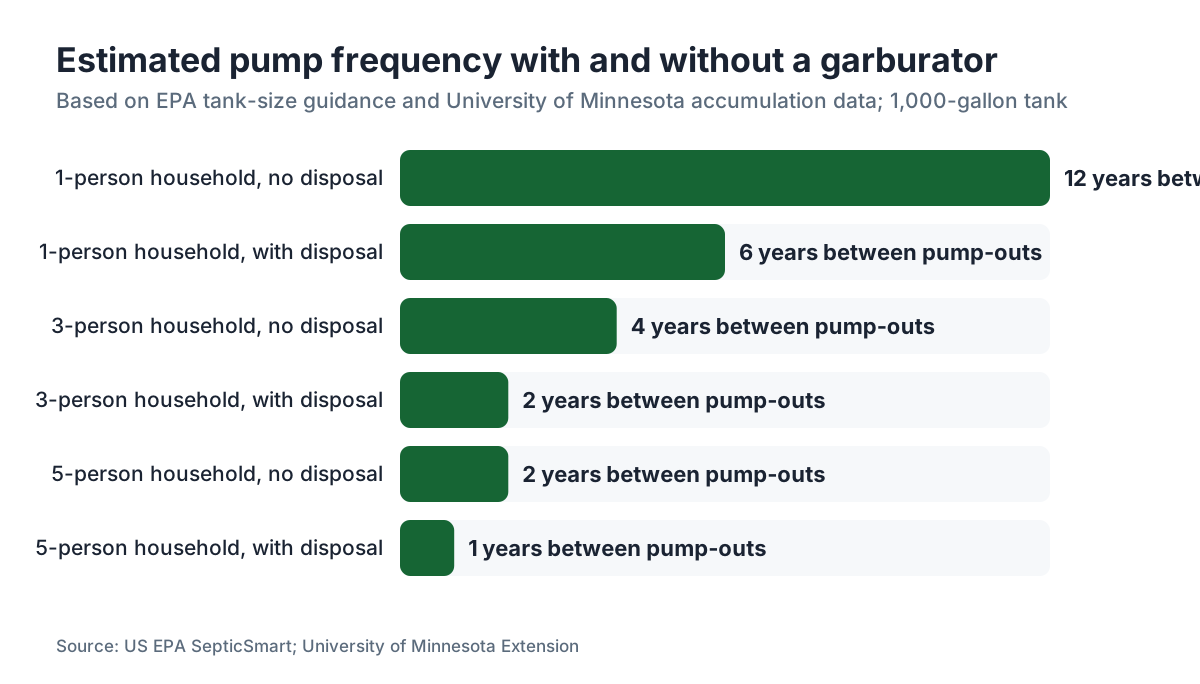
EPA guidance on pump-out frequency runs off tank size, household size, and wastewater volume. Without a garburator, a typical 1,000-gallon tank serving three people needs pumping every 3 to 5 years [4]. Add a garburator used daily and the same household may need pumping every 1 to 2 years. Some pumpers see tanks at half their useful life in garburator-heavy homes.
Research cited by the University of Minnesota Extension found that households with garbage disposals accumulate sludge and scum at roughly double the rate of households without [5]. Double the accumulation rate means about half the time between pump-outs.
A septic tank pump out runs $300 to $600 for most households depending on tank size and access. Pump twice as often and you are spending an extra $300 to $600 every year or two. That adds up fast against whatever convenience the garburator buys you. The math does not favor the disposal.
Here is a rough comparison of pump frequency with and without a garburator, built from EPA tank-sizing guidance and the University of Minnesota accumulation data:
Can a garburator damage a septic drain field?
Yes. This is where the problem jumps from inconvenient to expensive. When solids build up faster than you pump them out, the scum and sludge layers creep close to the tank's outlet baffle, and partially digested solids escape into the effluent. That effluent flows to your drain field and clogs the soil pores that normally let liquid percolate away.
Clogged pores cause biomat formation, a dense layer of anaerobic bacteria and organic material that seals the soil surface. Once a biomat spreads across enough of the drain field, sewage backs up into the house or surfaces in the yard. Now you are looking at drain field repair or replacement.
Drain field replacement runs $3,000 to $20,000 or more depending on soil type, lot size, and local labor [6]. That is not a typo. A failed drain field is one of the most expensive single repairs a homeowner faces. Unlike a broken water heater, it does not always have a simple fix. If your soil is marginal, replacement may mean a completely different system type.
The damage rarely shows up on schedule. It can take years of gradual solid accumulation before symptoms appear, which is exactly why so many homeowners get blindsided. They ran the disposal for eight years, never had a problem, then the yard suddenly smells like sewage. The disposal was loading the field the whole time.
What size septic tank do you need if you have a garbage disposal?
Bigger than standard. Most state onsite wastewater codes that allow garburators require an oversized tank to handle the extra solids. The common rule is a tank at least 50% larger than the baseline for the dwelling.
For a 3-bedroom home, the minimum tank size in most states without a disposal runs 1,000 to 1,500 gallons [7]. With a disposal, some state codes push that to 1,500 to 2,000 gallons. A few jurisdictions require a separate interceptor tank just for kitchen waste before it reaches the main septic tank.
Building new and want a disposal? Talk to your designer and local health department before breaking ground. Paying for a larger tank upfront is a fraction of what a drain field failure costs later. Our guide on septic tank installation breaks down the sizing decisions.
Retrofitting a garburator onto an existing property with a standard tank means running a system that is undersized for its actual load. The only real mitigation is aggressive pumping and a septic tank inspection to learn how much sludge you already have.
Are there septic-safe garbage disposals or enzyme-based systems that actually help?
This is a popular marketing angle, so let me be direct about the evidence.
Some disposal brands sell units with enzyme or bacteria cartridges meant to pre-digest food waste before it hits the tank. The pitch is that breaking down organic material earlier lightens the solid load. In theory, fine. In practice, the controlled studies are minimal and the manufacturers' own claims stay vague.
The EPA does not recognize any garbage disposal as "septic safe" in its SepticSmart materials [2]. That matters. The agency looked at available products and declined to carve out an exception.
One option with real logic behind it is a separate food waste interceptor, a small grease-trap-style chamber installed between the kitchen drain and the main line. It captures solids and grease before they reach the septic tank and gets cleaned periodically. These are rare in homes and bring their own maintenance burden, but some commercial-style setups use them.
My honest take: if you actually want to protect your septic system, composting food scraps beats any disposal product on the market. A countertop compost bin costs $20. A drain field replacement costs $10,000.
How do you know if your garburator has already stressed your septic system?
There are warning signs, and some are easy to miss. Slow drains, especially in lower fixtures like floor drains or basement toilets, can mean a tank that is fuller than it should be. Gurgling after a flush is another early tell. Wet spots or unusually green grass over the drain field, especially in dry weather, point to effluent surfacing.
Inside the house, sewage odors near floor drains or the washing machine can mean the tank is at capacity and gases are backing up. Any of these warrant an immediate septic tank inspection and probably a pump-out.
The only reliable way to know your tank's real state is a physical inspection. A technician opens the tank, measures sludge and scum depths with a probe, and tells you how much working capacity is left. The rule of thumb is to pump when the combined sludge and scum layers fill more than one-third of the tank volume [4].
If you have run a garburator for years and never had an inspection, book one now. It is a $100 to $200 add-on to a pump-out and gives you real numbers instead of guesswork. Operators managing multiple service accounts often track this systematically. SepticMind's service platform, for one, lets operators log sludge measurements per visit so they can flag disposal-accelerated accumulation before a failure hits.
Our septic tank cleaning page has more on what technicians measure during a service call.
What happens to septic bacteria when food waste enters the tank?
Septic tanks rely on anaerobic bacteria to break down organic matter. More organic matter means more bacterial activity, which sounds like a win but creates its own trouble.
Food waste is rich in carbohydrates and proteins that feed bacteria hard. A bacterial bloom can briefly shrink the scum and sludge layers, which is why some garburator users report no obvious problems for years. But the processing stays incomplete. Fats break down poorly under anaerobic conditions, and protein digestion produces sulfur compounds that speed up drain field biomat formation.
The net effect over time: the tank works harder than it was designed to, producing more gas, more acidic conditions, and more partially digested solids in the effluent. Those acidic conditions can also speed corrosion in concrete tanks, though that effect is harder to quantify and hangs on local soil chemistry and concrete quality [8].
Dumping commercial septic additives or bacteria products in to offset a garburator is not backed by solid evidence either. The EPA states plainly that biological additives "have not been proven to allow longer intervals between pumpings or to eliminate the need for pumpings." [2] Save the money.
How often should you pump a septic tank if you use a garburator?
Halve whatever your normal schedule would be. There is no single correct number, because it turns on tank size, household size, and how hard the disposal gets used. But as a working rule, cut the interval in half.
If the standard recommendation for your household is every 3 years, plan for every 18 months. If it is every 5 years, plan for every 2.5 years. Then get an actual sludge measurement after 12 months of disposal use to calibrate for your specific situation.
Our full guide on how often to pump a septic tank walks through the EPA's published table of intervals by tank size and household size. That table assumes no garburator. Apply the 50% cut and you have a reasonable starting estimate.
Some pumpers will tell you regular pumping fully cancels the garburator risk. That is mostly true for the tank itself. What pumping frequency alone cannot fully control is the drain field, which takes the hit if you ever miss a cycle or if solids push through during a high-load stretch. The leach field does not recover easily once it is damaged.
Should you remove your garburator if you are on septic?
Probably, unless a specific set of conditions is met. If you already have a disposal and it has run for a while without obvious problems, removal is not urgent. But the honest read is that most people on septic are better off without one.
I would remove it or stop using it if any of these fit you: your tank is at or below the minimum required size for your household; your drain field is old or has any history of slow drainage or surfacing; you are more than a year past your last pump-out; or you are planning to sell and want a clean bill of health at the septic tank inspection.
If you live in a jurisdiction that allows garburators but requires a larger tank, and your tank actually meets that larger standard, regular pumping can make it work. That is a narrow window.
Removing a garburator is a straightforward plumbing job. A licensed plumber caps the drain line and pulls the unit in an hour or two. The kitchen drain keeps working normally. The cost is trivial next to the risk you are managing.
What do state and local codes say about garbage disposals on septic?
The rules vary enough that no single national answer holds. A few data points:
North Carolina's Rules Governing the Disposal of Sewage state that garbage grinders may not connect to septic systems without approval and a properly sized tank [9]. Minnesota's rules require added tank capacity for homes with disposals [3]. Several California counties ban them outright on septic properties.
The EPA does not regulate septic systems directly. Authority sits with state environmental or health agencies, which delegate to county health departments. Your county's onsite wastewater or environmental health office is the authoritative source for what is legal where you live. Do not take a plumber's word alone. Some plumbers install whatever a homeowner asks for without checking permit requirements.
Here is the trap: if a garburator turns up connected to an undersized tank during a real estate inspection, it can trigger a required upgrade before closing. That is a $3,000 to $15,000 problem showing up at the worst possible moment. Buying or selling a home with a disposal on septic? Get an inspection first. The septic tank inspection article covers what inspectors actually check.
One practical note: some states write about "garbage grinders" rather than "garbage disposals" or "garburators." All three terms mean the same device. Reading a state code? Search all three.
Frequently asked questions
Can you use a garburator with a septic system at all?
You can, but most septic professionals advise against it. The EPA's SepticSmart program recommends avoiding garbage disposals on septic because they raise solids by roughly 50% and force more frequent pumping. If your local code allows it and you have an oversized tank, you can make it work, but you need to pump on a much shorter schedule than you otherwise would.
How much does a garburator reduce septic pump frequency?
Regular garburator use roughly doubles the rate of sludge and scum accumulation in a septic tank, according to University of Minnesota Extension research. That cuts your effective pump interval about in half. A household that normally pumps every 3 to 5 years may need to pump every 1 to 2 years with a disposal in regular use.
Do septic-safe garbage disposals really work?
The marketing is ahead of the evidence. Disposals sold as "septic safe" often include enzyme or bacteria cartridges meant to pre-digest food waste. The EPA does not endorse any disposal product as safe for septic, and independent controlled studies on these products are limited. They may cut the impact somewhat, but counting on them to make a normal pump schedule safe is not a sound bet.
What foods are worst for a septic system from a garburator?
Fats, oils, and grease top the list. They float, build the scum layer fast, and break down poorly under anaerobic conditions. Proteins (meat scraps, fish) add to sludge and produce sulfur byproducts that harm the drain field. Starchy foods like pasta and rice swell with water and pack tightly into the sludge. Fibrous vegetables are less harmful but still add to the solids load.
Will adding septic tank bacteria or additives offset garburator use?
No, not reliably. The EPA states that biological additives have not been proven to reduce pump frequency or eliminate the need for pumping. Adding bacteria to a tank already stressed by food waste does not touch the core problem, which is physical solids accumulating faster than bacteria can process them. Skip the additives and put the money toward more frequent pump-outs instead.
How big does a septic tank need to be if you have a garbage disposal?
State codes that allow disposals on septic typically require a tank at least 50% larger than the baseline minimum for the home. For a 3-bedroom house, that often means 1,500 to 2,000 gallons instead of the standard 1,000 to 1,500 gallons. Some jurisdictions require a separate grease interceptor rather than a larger main tank. Check your county's onsite wastewater code for the specific requirement.
Can a garburator cause a drain field to fail?
Yes, and it is one of the more common paths to drain field failure. When food solids speed up sludge and scum buildup, partially digested material eventually escapes the tank and clogs the soil pores in the drain field. That forms a biomat that stops effluent from percolating away. Drain field replacement costs $3,000 to $20,000 or more and is not always avoidable once failure is complete.
Is it illegal to have a garbage disposal with a septic system?
It depends on your jurisdiction. North Carolina restricts them without an appropriately sized tank. Minnesota requires a larger tank. Several California counties ban them outright on septic properties. Some states have no specific rule, leaving it to county health departments. There is no federal prohibition. Before installing or keeping a disposal, check your county's onsite wastewater or environmental health code.
What are the signs that a garburator has damaged your septic system?
Watch for slow drains in lower fixtures, gurgling after a flush, wet or unusually green patches over the drain field, sewage odors near floor drains, and sewage backing up into the house. Any of these warrant an immediate inspection and pump-out. A technician can measure sludge and scum depths to see how much capacity remains and whether the drain field shows signs of stress.
Should you tell your septic pumper that you have a garbage disposal?
Yes, always. It directly changes how they assess your tank and advise on pump frequency. A good pumper will probe sludge and scum depths and tell you how quickly you are accumulating solids. Knowing you have a disposal lets them set a baseline and flag whether you are on track for a drain field problem. Do not hide it. The information only helps you.
Can you compost instead of using a garburator on septic?
Composting is the clean alternative. It keeps food waste out of both the sewer and the septic system entirely, costs almost nothing to set up, and produces something useful. A countertop compost container paired with an outdoor bin or municipal composting pickup removes the temptation to run scraps down the drain. For septic homeowners, it is genuinely the better choice.
How do you properly remove a garburator if you decide to stop using it?
A licensed plumber caps the drain stub where the disposal was connected and restores the standard sink drain. The job usually takes one to two hours and costs $100 to $300 in labor depending on your area. The disposal unit itself can be sold or recycled. After removal, schedule a pump-out within the next year to see how much solid buildup happened during the disposal's use.
Does a garburator void a septic system warranty or permit?
It can. If your septic system was permitted for a specific tank size without a disposal, adding one may technically violate your permit conditions. Some manufacturer warranties on tanks or distribution systems include language about material entering the system beyond the designed load. Check your original permit and any warranty documents. This matters most if you are buying or selling a home.
Sources
- NC Cooperative Extension, Septic Systems and Garbage Disposals: Garbage disposals can increase total solids load entering a septic tank by 50% or more
- US EPA, SepticSmart Program Homeowner Tips: EPA advises homeowners to avoid using a garbage disposal with a septic system because it increases solids and requires more frequent pumping; biological additives have not been proven to allow longer intervals between pumpings
- Minnesota Pollution Control Agency, Septic Systems: Minnesota guidance advises against or requires added tank capacity for homes with garbage disposals on septic systems
- US EPA, Septic System Pumping Frequency Guidance: EPA recommends pumping when combined sludge and scum layers exceed one-third of tank volume; standard interval for a 3-person household with a 1,000-gallon tank is roughly every 3 to 5 years
- University of Minnesota Extension, Septic System Owner's Guide: Households with garbage disposals had sludge and scum accumulation rates roughly double those without disposals
- US EPA, A Homeowner's Guide to Septic Systems: Drain field (drainfield) failure is one of the most expensive repairs a homeowner can face, often requiring full replacement
- North Carolina Department of Health and Human Services, Onsite Wastewater Section: Minimum septic tank capacity requirements vary by bedroom count; NC rules restrict garbage grinders without an appropriately sized tank
- Penn State Extension, Septic Tank Maintenance: High organic loads and acidic conditions from biological activity can contribute to accelerated corrosion in concrete septic tanks over time
- North Carolina General Assembly, Rules Governing the Disposal of Sewage (15A NCAC 18E): North Carolina rules explicitly require approval and proper tank sizing before connecting a garbage grinder to a septic system
- US EPA, How Your Septic System Works: Septic tanks separate wastewater into scum, effluent, and sludge layers; clarified effluent flows to the drain field
Last updated 2026-07-09