Are septic tank treatments necessary? The honest answer
By the SepticMind Editorial Team
TL;DR
- No, most septic tanks don't need commercial treatments.
- A healthy tank already carries plenty of native bacteria and gains nothing from additives.
- Pumping every 3 to 5 years is the one maintenance step with strong evidence behind it.
- Some biological additives are harmless.
- None replace pumping, and several chemical products damage your drain field.
What do septic tank treatments actually claim to do?
Walk into any hardware store and you'll find enzyme packets, bacterial powders, yeast tablets, and chemical drain openers all sold as septic "treatments." The pitch rarely changes. Add this monthly, keep your tank healthy, skip the expensive pump-out. Some products claim to digest solids so fast you'll never pump again. Others promise to "restore" a dying drain field.
There are three broad categories. Biological additives are bacteria (usually Bacillus strains) and enzymes meant to speed decomposition in the tank. Inorganic chemical additives are sulfuric acid, hydrochloric acid, and sodium hydroxide products sold to clear clogs. Organic solvents are compounds like methylene chloride or trichloroethylene that dissolve grease and other organic matter.
Each category works through a different mechanism, and the effect on your system varies wildly. The biology products are mostly benign and mostly pointless. The chemical and solvent products can wreck your system and contaminate groundwater. That gap matters more than any label admits.
What does the research say about septic additives?
The evidence lands on one side, and it isn't the side the packaging is on. The most cited review comes from the University of Minnesota Extension, which examined more than 40 published studies and found no consistent evidence that biological or enzyme additives improve tank performance or stretch the interval between pump-outs [1]. The EPA's SepticSmart program says the same thing: a properly working septic system already holds enough bacteria to break down solids without any additive [2].
One of the more rigorous field studies, run by the University of Rhode Island Cooperative Extension, tested a commercial bacterial additive in working residential systems over two years. Sludge accumulation didn't differ meaningfully between treated and control tanks [3]. That result keeps repeating. You don't get less sludge for the money you spend.
Nobody has perfect data here. The additive market is largely unregulated, so manufacturers don't have to publish efficacy studies before selling. What peer-reviewed work exists tends to find that the bacteria in a healthy tank, fed by a steady flow of household wastewater, are already doing the job the products promise.
The chemical story is cleaner and worse. A 2002 EPA fact sheet on septic additives concluded that chemical products, especially organic solvents, "can be harmful to soil and groundwater" and move rapidly through the tank into the drain field, where they alter soil structure and kill the biomat that makes leach-field treatment work [4]. Several state agencies have banned or restricted specific chemical categories because of it.
Does a healthy septic tank need added bacteria?
Almost certainly not. Your tank gets a fresh dose of bacteria from human waste every time someone flushes. The microbial community in a working tank is diverse and self-sustaining, full of anaerobic bacteria that break down solids and produce the gases that vent out.
The case for biological additives usually comes up after something disrupts that community. A heavy course of antibiotics down the drain. A big bleach cleaning. A stretch when the house sat empty. Even then, normal use rebuilds the bacterial population within days to a few weeks. The system is built to shrug off that kind of hit.
There's one narrow case where a bacterial starter might make sense: a brand-new tank before regular use, or a tank freshly pumped that will sit idle for weeks. Some installers and pumpers suggest a starter dose in those spots. The evidence for benefit is thin, but the biological products carry basically no downside, so it's not a bad call.
If you want real maintenance guidance instead of a monthly subscription, the EPA's SepticSmart initiative names four habits that matter: pump on schedule, protect your drain field from compaction, watch what you flush, and keep water use reasonable [2].
Can septic treatments replace regular pumping?
No product on the market replaces pumping. That's the one thing to hold onto out of this whole category.
Here's why. A septic tank splits waste into three layers. Scum (grease and light solids) floats on top, effluent (liquid) sits in the middle, and sludge (heavy solids) settles to the bottom. Bacteria digest some of that organic matter, but they can't fully break down inorganic solids, fats that have hardened, or the byproducts of their own digestion. Sludge builds no matter what. Once the sludge and scum layers grow too thick, solids escape into the drain field and clog the soil [5].
Pumping physically removes those solids. No enzyme, no bacteria, no chemical does that. If a label says you "may never need to pump again," that claim is false, and the FTC has gone after at least one company for making it.
The EPA and most state health departments recommend pumping every 3 to 5 years for a typical household. The real interval depends on tank size, number of occupants, and water habits. Our how often to pump septic tank guide walks through how to figure the right schedule for your household size and tank volume.
Skipping pumps to save money is one of the fastest routes to a failed drain field, which runs $3,000 to $30,000 or more to replace depending on your soil and local rules [6].
Which additives can actually damage your system?
Chemical additives are the ones to avoid outright. Organic solvents (methylene chloride, trichloroethylene, 1,1,1-trichloroethane) are the worst. They pass through the tank largely intact, reach the drain field, and break down the biological treatment layer in the soil. They also volatilize into groundwater. Several states, including Massachusetts and Washington, have restricted or banned the sale of septic additives with these compounds [7].
Strong acid and caustic (high-pH) products are nearly as bad. Sulfuric acid or sodium hydroxide products can kill the microbes in your tank and shift the chemistry of your leachate in ways that harm drain field soil. They also corrode concrete tank walls over time.
High-volume bleach lands in a similar spot, though household amounts from laundry or routine cleaning are diluted enough by the time they reach the tank that they don't cause lasting harm. Pouring a gallon of bleach straight into a cleanout to "disinfect" your tank is a bad idea.
Biological and enzyme products generally don't harm anything. They waste money rather than cause damage. If you've been using one and your system runs fine, there's no reason to panic.
Are there any circumstances where a treatment product makes sense?
A few, though none are the scenarios the marketing sells.
Some operators use enzyme or biological products through a port septic tank treatment approach, dosing the product directly through the inspection port rather than flushing it, to knock down surface scum or odor before an inspection or after a pump. The efficacy evidence is still thin, but a concentrated dose straight to the tank beats flushing a packet down the toilet and hoping it survives the trip.
Temporary odor control is another marginal case. If you're getting sulfur smells from the tank vent, some biological products briefly cut hydrogen sulfide production. That masks a symptom instead of fixing it, but if you're hosting a backyard party and the timing is brutal, it's not crazy.
A genuinely struggling system, one where the drain field shows stress like slow drainage or surfacing effluent, won't be saved by any additive. At that point you need a professional inspection, not a bottle of bacteria. A septic tank inspection tells you whether you have a tank problem, a distribution problem, or a field problem, and a packet of enzymes solves none of them.
SepticMind's maintenance tracking tools let homeowners log pump dates and watch system behavior over time, which does more good than any additive on the shelf.
What does the EPA say about septic additives?
The EPA's position is clear and hasn't shifted in decades. From the agency's SepticSmart materials: "Septic additives are not necessary and may in fact be harmful to your system" [2]. The EPA treats chemical additives as a threat to soil structure and groundwater, and treats biological additives as unnecessary because a functioning system already carries an established microbial community.
The SepticSmart program, which the EPA runs alongside its WaterSense work, is the agency's main public education effort on onsite wastewater systems. It recommends four core practices: inspect your system every 3 years (or annually if you have mechanical components), pump every 3 to 5 years, use water efficiently, and protect the drain field from physical damage [2].
None of the four involve additives. That's the EPA telling you, about as plainly as a federal agency says anything, that money spent on treatments is better spent on pumping.
State agencies mostly follow suit. North Carolina's public health guidance, for one, tells homeowners that additives "have not been proven effective" and that some chemical products "can damage the septic system and contaminate drinking water" [8].
How much do septic treatments cost versus what you actually need?
The math turns ugly for the additive industry fast.
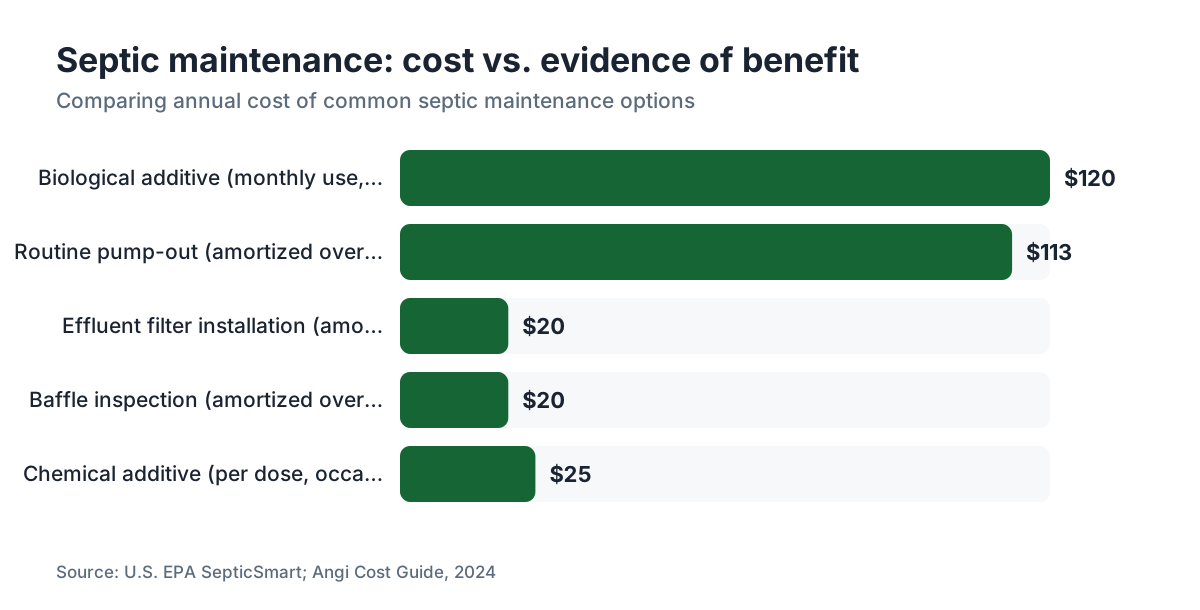
A monthly biological product runs $5 to $15, so $60 to $180 a year. Over the 3-to-5-year gap between pump-outs, that's $180 to $900 in additive costs stacked on top of your pump-out. The pump-out itself costs $300 to $600 for a typical residential tank, depending on location and size [9].
If the additive actually cut your pumping frequency or extended drain field life, the numbers might work. The research supports neither, so you're spending $180 to $900 for no measurable return.
Same money buys you real things: the pump-out itself, a camera inspection of your outlet baffle, or an effluent filter. Each has documented benefit.
The table puts the main options side by side.
| Action | Typical cost | Evidence of benefit | Replaces pumping? |
|---|---|---|---|
| Biological additive (monthly) | $60-$180/yr | Weak to none | No |
| Chemical additive | $10-$40/dose | Harmful, avoid | No |
| Routine pump-out | $300-$600 | Strong | N/A |
| Effluent filter install | $100-$300 | Moderate | No |
| Baffle inspection/replacement | $50-$150 (inspection) | Strong | No |
| Drain field restoration service | $500-$3,000 | Mixed | No |
Routine septic tank pumping is the one expense with consistent evidence behind it. Everything else, additives included, is optional at best.
What about products that claim to restore a failing drain field?
These are the most aggressively marketed and the least credible. Products promising to "rejuvenate" or "restore" a clogged drain field usually contain hydrogen peroxide, peroxyacetic acid, or concentrated enzyme blends. The theory is that oxidizing the biomat or adding digestive enzymes reopens clogged soil pores.
The biomat, a thin layer of microorganisms and organic matter that forms in the soil around the trenches, is a normal and healthy part of how a drain field treats effluent. You don't want to kill it off. When a field fails, it's usually because solids from a tank with built-up sludge have permanently clogged the soil structure, not because the biomat got too thick.
Some states allow "resting" a drain field (rotating between multiple fields where the system supports it) because giving the clogged section time without effluent flow lets natural recovery happen. That's a free technique with real soil science behind it. Chemical oxidation products have far less support.
If your field shows signs of failure, get a professional assessment before spending on restoration products. A septic system repair pro can tell you whether you're facing a salvageable overload or a field that needs full replacement. The cost difference between those two paths is enormous, and a bottle of hydrogen peroxide won't change the outcome of the second one.
What should you actually do to keep a septic system healthy?
The honest short version: pump on schedule, watch what goes in, protect the field.
Pump every 3 to 5 years. For a 1,000-gallon tank serving four people, the EPA points to every 3 years. Larger tanks or smaller households can stretch to 5. Smaller tanks or bigger households may need yearly service. Your pumper can measure sludge depth and give you a specific number after each visit [2].
Don't flush things that don't break down. Wipes (even "flushable" ones), feminine hygiene products, paper towels, medications, and cooking grease all cause trouble. Grease coats the tank's bacteria and the drain field soil. Medications, especially antibiotics and antifungals, suppress the microbial population.
Limit garbage disposal use. Food solids jack up the organic load in the tank. Run a disposal regularly and you may need to pump more often, possibly every 1 to 2 years [5].
Protect the drain field from compaction. Don't park vehicles over it, don't plant aggressive-rooted trees near it, and don't send roof runoff or sump pump discharge onto it. A waterlogged field can't treat effluent. The leach field section of this site goes deeper on what wears down drain fields over time.
Spread out your water use. A washing machine running load after load sends a surge through the system that can push partially treated effluent into the field before solids settle. Split laundry across multiple days.
Get a septic tank inspection if you're buying a home on septic or if you notice symptoms: slow drains, odors, wet spots over the field, or unusually green grass above the tank or field.
For operators running multiple systems, SepticMind's platform tracks service records and pump schedules across customer accounts, which makes it easier to flag overdue systems and catch problems before they turn into field replacements.
Do state regulations say anything about using septic additives?
State rules vary a lot. Most states don't ban biological additives, but many restrict or prohibit specific chemical compounds found in older additive products.
Massachusetts Title 5 (310 CMR 15.000), the state's onsite wastewater code, prohibits chemical solvents in septic systems and puts the burden on homeowners to avoid flushing anything that harms the biological treatment process [10]. Washington State's septic rules likewise name organic solvents as prohibited substances in onsite systems.
Some states, including Colorado, require any additive sold for septic use to be registered with the state environmental agency. That at least creates a paper trail, even if it doesn't guarantee efficacy testing.
The EPA has no federal regulatory authority over residential septic additives as a product category. The Safe Drinking Water Act gives the agency authority over contaminants that reach groundwater, which is why its guidance focuses on the downstream groundwater impact of chemical products rather than regulating the products at the point of sale.
If you're unsure about a specific product and your state's rules, your county health department's environmental health division usually handles onsite wastewater permitting and can tell you what's restricted locally.
Frequently asked questions
Do I need to add anything to my septic tank after it's pumped?
No. A freshly pumped tank rebuilds its bacterial population within days once the household resumes normal use. Some pumpers suggest a biological starter for a tank that will sit unused for weeks, and that's low-risk since it's harmless. But for a home going straight back into normal service after pumping, no additive is needed or supported by evidence.
Can I use yeast to help my septic tank?
Flushing baking yeast is an old folk remedy. Yeast does make enzymes and can briefly boost fermentation in the tank. But it doesn't survive long in the anaerobic environment, and controlled studies find no measurable difference in sludge accumulation between tanks that get yeast and those that don't. It's harmless and free, but don't expect results.
How often should I treat my septic tank?
If you mean biological additives, the honest answer is probably never. The one maintenance action with a real schedule behind it is pumping, every 3 to 5 years depending on tank size and household size. Regular pumping beats any additive product and has strong backing from the EPA and state health agencies.
Can septic tank additives damage my drain field?
Chemical additives, especially organic solvents and strong acids or caustics, can absolutely damage your drain field. They pass through the tank into the soil, where they disrupt the biological treatment layer and can alter soil structure permanently. The EPA has documented groundwater contamination from these products. Biological additives generally don't damage the field, but they don't help it either.
What is the best thing you can put in a septic tank?
Properly treated wastewater and nothing else unusual. The single best action for your tank isn't a product, it's a pump-out on schedule. If you want to add something, a bacterial starter after a pump-out or long vacancy carries no risk. But no additive, however well marketed, improves on a healthy tank that gets pumped regularly.
Why do some plumbers and pumpers recommend additives?
Some do, some don't. Additive products often carry high retail margins, and plumbing supply companies push them. Other operators genuinely believe the products help based on customer feedback rather than controlled data. The research doesn't support routine use, but a pumper recommending a biological starter after service isn't giving harmful advice, just advice without strong evidence.
Do septic tank treatments help with odors?
Some biological products briefly cut hydrogen sulfide production in the tank, which can reduce sulfur odors from the vent. That's symptom management, not a fix. Persistent odors usually point to a venting problem, a failing baffle, or a tank overdue for pumping. Masking the smell with an additive while ignoring those causes leads to a bigger problem later.
Is it safe to use bleach with a septic system?
Normal household bleach use (laundry, occasional surface cleaning) is fine. The amounts are small enough to dilute well before reaching the tank. Pouring large volumes of bleach straight into the system to "disinfect" it is a different matter and can suppress the bacterial population meaningfully. There's no benefit to deliberately adding bleach to a septic tank.
What happens if I never treat my septic tank with additives?
Nothing bad, assuming you pump on schedule and use the system normally. The vast majority of septic systems in the country run without any additive program. The bacterial community in a functional tank is self-sustaining. Skipping additives and putting that money toward your pump-out instead is a plainly better use of resources.
Can septic treatments fix a slow drain or a clogged system?
No. Slow drains or clogged systems almost always mean a tank that needs pumping, a clogged baffle or outlet, or a failing drain field. Those are physical problems that need physical intervention: pumping, baffle replacement, or field work. An enzyme product won't unclog a soil-saturated drain field or a packed inlet baffle.
Are there any states where septic additives are banned?
Several states restrict chemical additives, particularly organic solvents. Massachusetts Title 5 explicitly prohibits chemical solvents in onsite systems. Washington State similarly restricts certain compounds. Most states don't ban biological additives but don't endorse them either. Check with your county health department or state environmental agency for rules specific to your location.
How do I know if my septic system actually needs help?
Watch for slow drains across multiple fixtures, gurgling in the pipes, odors near the tank or field, unusually lush or wet grass over the drain field, or sewage backing up into the house. Those are real warning signs that justify a professional inspection. A monthly additive won't prevent or fix any of them. If you see symptoms, call a licensed pumper or inspector.
Sources
- University of Minnesota Extension, Septic System Owner's Guide: Review of more than 40 studies found no consistent evidence that biological or enzyme additives improve tank performance or reduce pumping frequency.
- U.S. EPA, SepticSmart Program: EPA states septic additives are not necessary and may be harmful; recommends pumping every 3-5 years and inspecting every 3 years as core maintenance.
- University of Rhode Island Cooperative Extension, Onsite Wastewater Training Center: Two-year field study found no meaningful difference in sludge accumulation between tanks dosed with a commercial bacterial additive and control tanks.
- U.S. EPA, Onsite Wastewater Treatment Systems Technology Fact Sheet: Septic Tank Additives (EPA 832-F-02-004): EPA 2002 report concluded chemical additive products, particularly organic solvents, can be harmful to soil and groundwater and move rapidly through the tank into the drain field.
- U.S. EPA, A Homeowner's Guide to Septic Systems: Sludge and scum accumulate over time regardless of biological activity; pumping is the only way to physically remove accumulated solids. Garbage disposal use may require annual pumping.
- U.S. EPA, Decentralized Wastewater Management Program: Drain field replacement costs range from several thousand to tens of thousands of dollars depending on soil conditions and local regulations.
- Washington State Department of Health, Onsite Sewage Systems: Washington State restricts organic solvents as prohibited substances in onsite septic systems.
- North Carolina Department of Health and Human Services, On-Site Water Protection: North Carolina homeowner guidance states additives have not been proven effective and some chemical products can damage the septic system and contaminate drinking water.
- Angi, Septic Tank Pumping Cost Guide: Average residential septic tank pump-out cost ranges from $300 to $600 depending on tank size and geographic location.
- Massachusetts Department of Environmental Protection, Title 5 Regulations (310 CMR 15.000): Massachusetts Title 5 prohibits chemical solvents in septic systems and requires homeowners to avoid substances that harm biological treatment processes.
- Penn State Extension, Septic System Maintenance: Penn State Extension guidance confirms that biological additives are unnecessary in functioning systems and recommends routine pumping as the primary maintenance action.
Last updated 2026-07-09