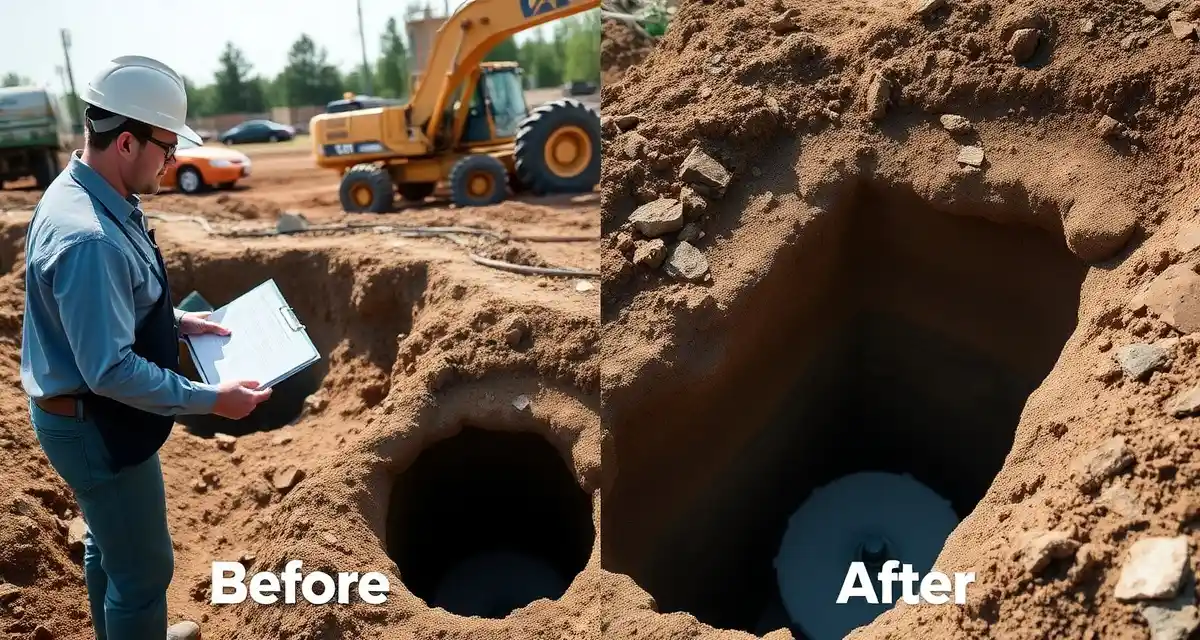
Septic System Rehabilitation Software: Document Repair and Upgrade Projects
By the SepticMind Editorial Team
Septic system rehabilitation projects average 6-8 weeks from permit application through completion. That timeline spans multiple project stages, multiple regulatory touchpoints, and often multiple contractors. Rehabilitation projects have multi-stage permit requirements that job-ticket software cannot track, a standard work order system treats a rehabilitation project the same as a pump-out, and that mismatch creates documentation gaps that cost companies time and money.
TL;DR
- Septic System Rehabilitation Software: Document Repair and Upgrade Projects is designed to address the specific workflow and compliance requirements of septic service operations.
- Purpose-built septic software handles permit tracking, state inspection report templates, and tank data management that generic platforms do not offer.
- Companies managing ATU contracts, multi-county permit portfolios, or real estate inspection volume need software designed around those workflows.
- Mobile access allows field technicians to complete and submit inspection reports before leaving a property.
- Cloud-based platforms ensure records are accessible from any device and backed up automatically.
- Switching costs from generic software are real, so evaluating septic-specific platforms early saves migration pain later.
SepticMind's project workflow tracks repair permit stages from application through final inspection sign-off so nothing falls through the cracks on complex, multi-stage projects.
What Makes Rehabilitation Projects Different
A routine pump-out is a single-stage transaction: arrive, pump, document, invoice. A rehabilitation project is a multi-week process with distinct phases, regulatory review points, and milestone dependencies. The complexity isn't just operational, it's regulatory. Permits for rehabilitation work are typically separate from installation permits and have their own documentation requirements, inspection hold points, and approval processes.
The project types that fall under rehabilitation include:
Drainfield replacement. When a conventional drainfield has failed and cannot be rehabilitated in place, full or partial replacement is required. This typically requires a new construction permit, site evaluation documenting current conditions, design approval before work begins, and a final inspection before cover.
Tank repair or replacement. Tanks with structural failures, inlet or outlet damage, or access issues need permitted repair work. Tank replacement requires permit applications similar to installation permits in most states.
Alternative system conversion. Converting a conventional system to an aerobic treatment unit or other alternative system is a notable rehabilitation project requiring system design, permit approval for the new system type, and final inspection of the installed alternative components.
Distribution system repair. Repairing or replacing distribution boxes, distribution pipes, or pressure manifolds as part of drainfield restoration requires permit coverage and documentation of the completed repair work.
ATU component replacement. Aerobic treatment units have compressors, diffusers, and other mechanical components that require permitted replacement under many state programs. These aren't routine maintenance, they're component-level rehabilitation that changes system performance.
Tracking Multi-Stage Permit Requirements
Each rehabilitation project type has its own permit sequence. For a drainfield replacement project in a typical state:
- Failure assessment documentation
- Application for repair permit (with site conditions documentation)
- Regulatory review and permit issuance
- Pre-construction inspection (some states require soil re-evaluation)
- Excavation inspection hold point (inspector approval before cover)
- System installation
- Final inspection and permit closeout
Miss any of these stages in your documentation, and you risk either a compliance problem or an inability to demonstrate project completion to a future buyer, insurer, or regulatory reviewer.
Generic work order systems create a single job record that can't reflect this sequence. SepticMind's project type creates milestone-based records that track each stage independently, with the ability to attach the specific documentation, photos, and inspector signatures relevant to each milestone.
Before-and-After Documentation
Rehabilitation projects are a before-and-after story. The before documentation establishes the failure condition and supports the permit application. The after documentation demonstrates the repair meets applicable standards and forms the permanent system record going forward.
Before documentation includes:
- System condition assessment with photographs
- Failure mode identification (hydraulic failure, structural failure, component failure)
- Current condition measurements: water table depth, soil saturation, surface breakout location and extent
- Prior service history that's relevant to the failure diagnosis
After documentation includes:
- Permit closeout confirmation
- As-built documentation of the rehabilitated system
- Inspector sign-off at each required hold point
- Component records for any new equipment installed (ATU model, pump model, filter type)
- Updated system profile for future service scheduling
Failed system documentation software covers the failure assessment and documentation workflow that precedes permit application. Onsite wastewater installer software covers the broader installation and permitting workflow applicable to rehabilitation projects.
Managing Rehabilitation Projects With Multiple Contractors
Rehabilitation projects often involve multiple contractors: the septic company doing the assessment and pumping, an engineer or designer preparing the permit application, an excavation contractor doing the earthwork, and possibly a specialty contractor for ATU installation.
When multiple contractors are involved, the documentation challenge multiplies. Who's responsible for permit application? Who tracks inspection hold points? Who creates the final as-built? Without a designated project manager tracking all stages, documentation gaps appear between contractor handoffs.
SepticMind's project structure allows multiple team members to view and update the same project record. The project manager can see at a glance which milestones are complete, which are pending, and what's needed for the next stage, without chasing status updates from each sub-contractor.
Building a Rehabilitation Revenue Stream
Rehabilitation projects typically generate 3-5x the revenue of routine service calls on the same system. A failed drainfield replacement might generate $8,000-15,000 in revenue for a project that started as a $350 pump-out discovery.
The companies that capture rehabilitation revenue consistently are those that systematically follow through on failure discoveries. When a routine service call identifies a failing system, the follow-through requires: a documented failure assessment, a permit application process, and project management through completion. Companies without systematic project tracking lose those rehabilitation projects to competitors who do a better job of managing the multi-stage process.
Linking Service History to Rehabilitation Projects
The best rehabilitation documentation connects the current project to the property's full service history. A drainfield that failed after 12 years might have shown early warning signs in service records, high water table notes, distribution problems, pump-out intervals that shortened over time. Connecting that history to the rehabilitation project record tells the complete story for future reference.
SepticMind's property records maintain complete service history that automatically links to any new project created for the same property. When a rehabilitation project is opened, the system's full service history appears alongside the project record, giving the project manager and any contractors the context they need to understand the system's history.
Get Started with SepticMind
The right software for a septic company handles compliance and documentation alongside scheduling and billing. SepticMind is built specifically for septic operations, from county permit tracking to ATU maintenance management. Start a free trial to evaluate it against your workflow.
Frequently Asked Questions
How do I track a septic rehabilitation project from permit application through final inspection?
The most reliable approach is to treat rehabilitation projects as structured project records rather than simple job tickets. Create a project record with defined milestones that reflect your state's specific permit and inspection requirements for repair work: permit application, regulatory review, pre-construction conditions documentation, excavation inspection hold point, system installation, and final inspection sign-off. Attach photos and documents at each milestone as work progresses. This milestone-based tracking prevents the most common rehabilitation documentation problem: projects that are physically complete but lack documentation for one or more required stages, creating compliance problems when the record is reviewed later.
Does SepticMind support multi-stage permit tracking for septic repair projects?
Yes. SepticMind's project type for rehabilitation and repair work includes milestone tracking that reflects the multi-stage permit requirements common in state OSSF and OWTS repair programs. Each milestone can have a status (not started, in progress, complete, pending inspection), attached documents and photos, and notes. The project overview shows all active rehabilitation projects with their current milestone status, so project managers can see at a glance which projects are waiting for inspector sign-off, which have pending documentation, and which are approaching final completion. For companies managing multiple simultaneous rehabilitation projects, this visibility prevents the projects that sit in regulatory limbo because a documentation step was missed.
Can I link before and after photos to a rehabilitation project record in SepticMind?
Yes. SepticMind's project records allow photo attachment at the overall project level and at each individual milestone. For rehabilitation projects, the typical photo documentation structure includes before photos at the assessment stage, excavation photos at the permit inspection hold point, installation-in-progress photos, and final condition photos after completion. This before-and-after photo sequence creates a complete visual record that documents the failure condition, the remediation work, and the final installed system. These photos are retained in the system record and accessible for any future reference, including regulatory review, warranty claims, or due diligence if the property is sold.
What makes Septic System Rehabilitation Software: Document Repair and Upgrade Projects different from general field service software?
The primary differences are septic-specific features: county permit databases, state inspection report templates formatted for regulatory submission, tank size and system type records that drive service interval calculations, and ATU maintenance contract management. General field service platforms can handle scheduling and invoicing but require manual workarounds for every compliance and documentation task that purpose-built septic software handles automatically.
Is there a free trial available to test the software?
SepticMind offers a free trial period so you can evaluate the platform with your actual workflow before committing. The trial includes access to the permit database, inspection report templates, and scheduling tools. Most companies complete their evaluation within two to three weeks and have a clear picture of how the platform fits their operation before the trial ends.
Try These Free Tools
Sources
- National Onsite Wastewater Recycling Association (NOWRA)
- US EPA Office of Wastewater Management
- NSF International
- Water Environment Federation
- National Environmental Services Center (NESC)