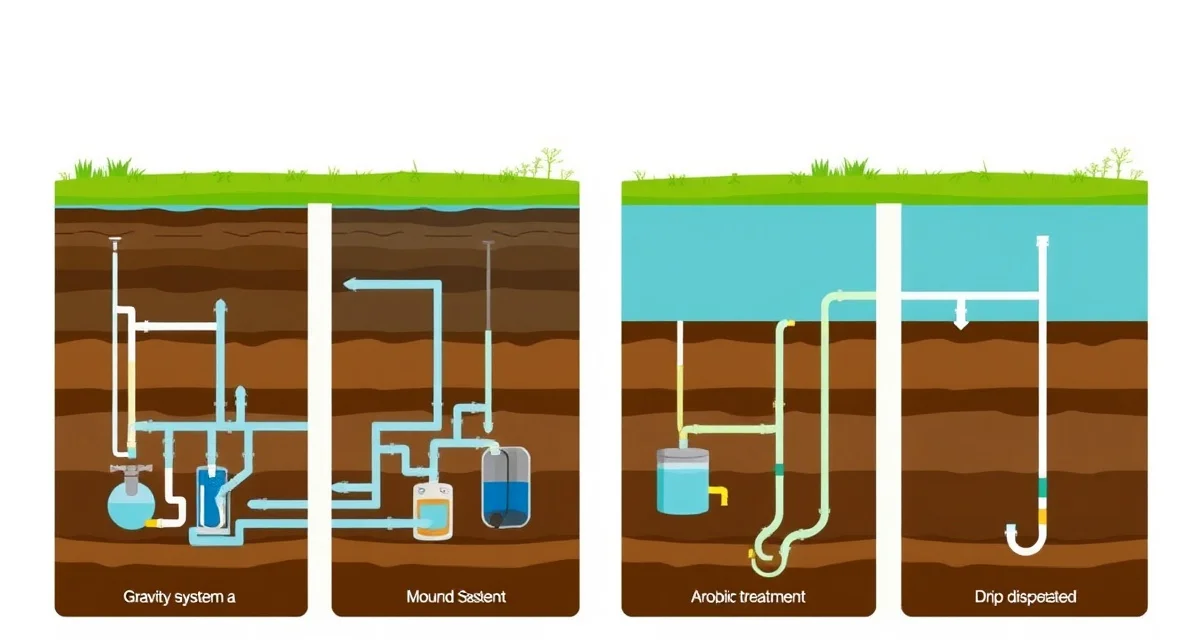
Septic System Types: Management Software for Every Configuration
By the SepticMind Editorial Team
Generic FSM tools treat all septic systems identically, missing critical system-type-specific service requirements. To those platforms, a conventional gravity system and an aerobic treatment unit are both just "septic system." The service checklist is the same. The inspection form is the same. The permit requirements are assumed to be the same.
TL;DR
- Septic System Types: Management Software for Every Configuration is designed to address the specific workflow and compliance requirements of septic service operations.
- Purpose-built septic software handles permit tracking, state inspection report templates, and tank data management that generic platforms do not offer.
- Companies managing ATU contracts, multi-county permit portfolios, or real estate inspection volume need software designed around those workflows.
- Mobile access allows field technicians to complete and submit inspection reports before leaving a property.
- Cloud-based platforms ensure records are accessible from any device and backed up automatically.
- Switching costs from generic software are real, so evaluating septic-specific platforms early saves migration pain later.
They're not. Not even close.
SepticMind has 24 system type configurations, each with its own service checklist and inspection requirements. Properties with multiple system types require separate service records for each component. Here's how the platform handles the full range of configurations your customers have.
Conventional Gravity Systems
The most common system type: a septic tank followed by gravity distribution to a drainfield. Conventional systems have a straightforward service checklist, but that doesn't mean the service is simple.
At service, conventional systems need:
- Tank pumping with baffle inspection
- Distribution box check if accessible
- Drainfield surface observation
- Effluent filter cleaning if present
At inspection, the 14-point checklist covers every component from inlet baffle to drainfield condition. The inspection report generates in a format accepted by the most common lender types for real estate transactions.
Mound Systems
Mound systems add a pump chamber between the tank and a raised drainfield built above native soil. The pump, pressure distribution laterals, and the mound surface itself all require inspection at service.
Service requirements specific to mound systems:
- Pump chamber liquid level and pump function check
- Float switch and alarm test
- Pressure distribution lateral inspection (if accessible)
- Mound surface assessment for saturation or settlement
SepticMind's mound system configuration loads these additional inspection points when a mound system is registered. A technician dispatched to a mound system job sees the checklist for mound systems, not the conventional system form. For full mound system tracking, the mound system tracking software guide covers dedicated features.
Aerobic Treatment Units
ATUs are the most compliance-intensive system type. They require quarterly maintenance, provider designations in most states, and state-specific reporting requirements. They also have the most components to inspect: blower or compressor, treatment zone, disinfection system, electrical controls, and spray or drip dispersal.
Managing an ATU customer portfolio without system-type-specific software means managing quarterly deadlines, contract renewals, and state reports manually. SepticMind's ATU configuration tracks all of these automatically. The aerobic treatment unit software guide covers the ATU-specific feature set.
Drip Dispersal Systems
Drip irrigation dispersal systems deliver pre-treated effluent through subsurface drip emitters. They require pump station inspection, pressure monitoring, emitter function checks, and often UV or other advanced treatment before dispersal.
These systems are relatively common in areas with poor soil conditions and are growing in prevalence as regulations push alternative technology in sensitive environmental zones.
Conventional Septic System Management
For a deep dive into managing your conventional septic customer base, conventional septic system management covers the scheduling, service, and documentation tools for the most common system type.
Cesspool Management
In states where cesspools still exist legally, they require service records and compliance tracking that differ from standard septic systems. Some states have cesspool phase-out programs that require documentation of upgrade plans. SepticMind's cesspool configuration tracks service history and any required compliance milestones under state cesspool programs.
Sand Filter Systems
Recirculating and single-pass sand filters provide additional treatment between the tank and drainfield. Service requires pump function checks, filter media assessment, and effluent quality observation. The service checklist is distinct from conventional systems.
How Does SepticMind Handle a Property With Both System Types?
Some properties have multiple systems or system configurations. A large rural property might have a conventional system for one structure and a mound system for another. A commercial property might have a primary septic system and a secondary treatment system.
How does SepticMind handle a property with both a conventional tank and a drip dispersal system? Each system at a property is registered as a separate system record, linked to the same property address and customer. When a service job is created, you select which system the job is for, and the correct checklist and compliance template loads for that specific system.
Service history for each system is maintained separately, which matters when the two systems have different service intervals and different compliance requirements.
Get Started with SepticMind
The right software for a septic company handles compliance and documentation alongside scheduling and billing, not just the basics. SepticMind is built specifically for septic operations, from county permit tracking to ATU maintenance management. Start a free trial to evaluate it against your workflow.
Frequently Asked Questions
How does SepticMind handle a property with both a conventional tank and a drip dispersal system?
Each system component at a property is registered as a separate system record linked to the same address and customer account. When a service job is created, you select the specific system being serviced, and the correct inspection checklist and compliance template loads for that system type. Service history is maintained separately for each system, with separate scheduling, compliance tracking, and reporting for each component.
Can I track multiple septic system types across a large customer portfolio?
Yes. SepticMind's database accommodates any combination of system types across your entire customer base. Portfolio-level views let you filter customers by system type, service interval status, and compliance requirements. You can run reports showing all ATU customers due for quarterly service, all mound system customers due for annual pump inspection, or all conventional customers overdue for their 3-year pumping interval, from a single view.
Does SepticMind automatically assign the correct inspection checklist by system type?
Yes. When a system is registered in SepticMind, its system type is recorded. When an inspection job is created for that system, the platform loads the inspection checklist appropriate for that system type automatically. A mound system job gets the mound inspection checklist. An ATU job gets the ATU quarterly inspection checklist. A conventional system gets the standard 14-point conventional inspection form. The tech doesn't select the checklist manually and you don't have to hope they choose the right one.
What makes Septic System Types: Management Software for Every Configuration different from general field service software?
The primary differences are septic-specific features: county permit databases, state inspection report templates formatted for regulatory submission, tank size and system type records that drive service interval calculations, and ATU maintenance contract management. General field service platforms can handle scheduling and invoicing but require manual workarounds for every compliance and documentation task that purpose-built septic software handles automatically.
Is there a free trial available to test the software?
SepticMind offers a free trial period so you can evaluate the platform with your actual workflow before committing. The trial includes access to the permit database, inspection report templates, and scheduling tools. Most companies complete their evaluation within two to three weeks and have a clear picture of how the platform fits their operation before the trial ends.
Try These Free Tools
Sources
- National Onsite Wastewater Recycling Association (NOWRA)
- US EPA Office of Wastewater Management
- NSF International
- Water Environment Federation
- National Environmental Services Center (NESC)