Mound System Tracking Software for Septic Service Companies
By the SepticMind Editorial Team
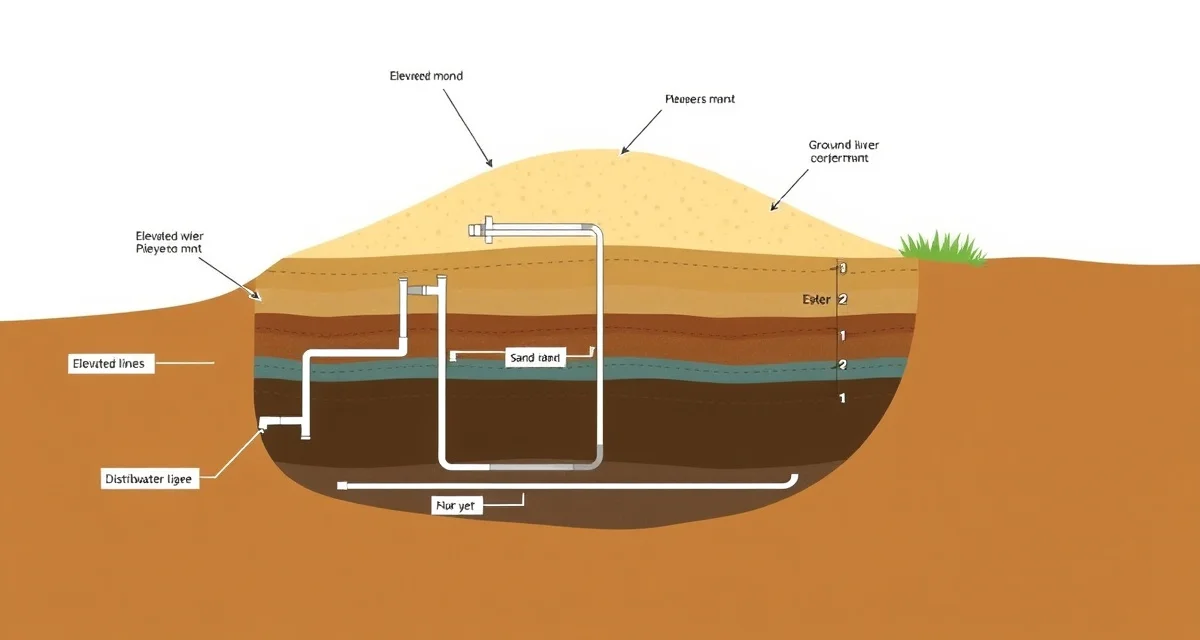
Mound systems are the workhorse of difficult sites, high water table areas, thin soils, properties where a conventional drainfield can't get the required separation from groundwater. In Minnesota, Wisconsin, Michigan, and across the upper Midwest, mound systems are common enough that most service companies have significant numbers of them in their customer base.
TL;DR
- Mound System Tracking Software for Septic Service Companies is designed to address the specific workflow and compliance requirements of septic service operations.
- Purpose-built septic software handles permit tracking, state inspection report templates, and tank data management that generic platforms do not offer.
- Companies managing ATU contracts, multi-county permit portfolios, or real estate inspection volume need software designed around those workflows.
- Mobile access allows field technicians to complete and submit inspection reports before leaving a property.
- Cloud-based platforms ensure records are accessible from any device and backed up automatically.
- Switching costs from generic software are real, so evaluating septic-specific platforms early saves migration pain later.
But a mound system isn't serviced like a conventional system. The pump and dosing system need regular attention. The inspection ports need to be checked. The mound surface needs visual assessment. And in states with O&M permit requirements, the documentation of each maintenance visit needs to be filed.
What Mound System Management Requires
Pump dosing schedule tracking. Most mound systems use a pump chamber that doses effluent to the mound in timed cycles. The pump needs periodic inspection, float switches, pump operation, control panel status. The dosing schedule should be documented and verified at each service visit.
Inspection port monitoring. Mound systems have inspection ports in the distribution media. At each service visit, a maintenance tech should probe the inspection ports to measure the standing effluent level in the mound distribution zone. Elevated effluent indicates saturation, either from hydraulic overloading, pump failure, or mound surface clogging.
Mound surface inspection. The mound surface should be visually assessed for surfacing effluent, erosion, or vegetation patterns that indicate saturated conditions underneath.
Pump chamber pump-outs. The pump chamber accumulates solids that bypass the septic tank. Pump-outs are needed on a schedule, typically every 3-5 years for a well-functioning system.
O&M permit documentation. In states with O&M permit requirements for non-conventional systems, mound system maintenance visits require documentation filed with the county health department. Minnesota, Wisconsin, and many other states have these requirements.
Get Started with SepticMind
The right software for a septic company handles compliance and documentation alongside scheduling and billing, not just the basics. SepticMind is built specifically for septic operations, from county permit tracking to ATU maintenance management. Start a free trial to evaluate it against your workflow.
FAQ
How does SepticMind handle inspection port measurement tracking for mound systems?
Each mound system service record in SepticMind includes inspection port measurement fields. Measurements are stored in the service history and displayed in a trend view across multiple visits. If inspection port liquid levels are rising over time, the trend is visible in the historical record before a tech tells you the mound is saturating.
Does SepticMind track mound system pump dosing schedules?
Yes. The mound system customer record includes pump dosing system specifications, pump model, timer settings, dosing cycle configuration. At each service visit, the tech verifies and documents whether the dosing system is operating to specification.
What states' mound system O&M requirements does SepticMind support?
SepticMind supports mound system O&M documentation for Minnesota (Chapter 7082 Inspection Business requirements), Wisconsin (POWTS maintenance requirements), Ohio (ORC 3718 OM&M permits), North Carolina, and other states with non-conventional system O&M programs.
What makes Mound System Tracking Software for Septic Service Companies different from general field service software?
The primary differences are septic-specific features: county permit databases, state inspection report templates formatted for regulatory submission, tank size and system type records that drive service interval calculations, and ATU maintenance contract management. General field service platforms can handle scheduling and invoicing but require manual workarounds for every compliance and documentation task that purpose-built septic software handles automatically.
Is there a free trial available to test the software?
SepticMind offers a free trial period so you can evaluate the platform with your actual workflow before committing. The trial includes access to the permit database, inspection report templates, and scheduling tools. Most companies complete their evaluation within two to three weeks and have a clear picture of how the platform fits their operation before the trial ends.
Try These Free Tools
Sources
- National Onsite Wastewater Recycling Association (NOWRA)
- US EPA Office of Wastewater Management
- NSF International
- Water Environment Federation
- National Environmental Services Center (NESC)