Conventional Septic System Management Software
By the SepticMind Editorial Team
Conventional gravity-fed septic systems represent the majority of the installed base in the United States. They're the workhorse of onsite wastewater, simple in design, durable when maintained, and serviceable with standard equipment. But "simple" doesn't mean managing them is effortless when you're doing it at scale across hundreds or thousands of customers.
TL;DR
- Conventional gravity-fed systems make up the majority of the 21 million onsite wastewater systems in the US.
- Standard pumping intervals are 3-5 years for residential systems, but actual intervals should reflect tank size, household size, and sludge history.
- Drainfield condition is the most important factor in long-term system viability; replacement can cost $5,000-$20,000.
- Outlet baffle inspection at every pump-out catches the most common cause of premature how a septic system works failure.
- Service records should be maintained by property address, not customer name, so history transfers correctly when properties are sold.
- Customer education about what not to flush or pour down drains reduces emergency call frequency and builds service trust.
The service interval isn't the same for every conventional system. A 1,000-gallon tank on a family of 4 needs service every 3-5 years. A 1,500-gallon tank on two retirees might not need attention for 7-10 years. If you're scheduling everyone on the same calendar-based reminder regardless of their system specs, you're either servicing customers who don't need it yet or leaving customers who are overdue to call you when something goes wrong.
What Conventional System Management Actually Requires
Per-customer system specifications. Tank size, material (concrete, fiberglass, polyethylene), compartment count, estimated age, and drainfield type. These don't change unless the system changes. Captured once, they inform every future service decision for that customer.
Service interval calculation tied to specs. Not a fixed 3-year interval for everyone. A calculation from tank size and household occupancy that generates the right interval for each customer specifically.
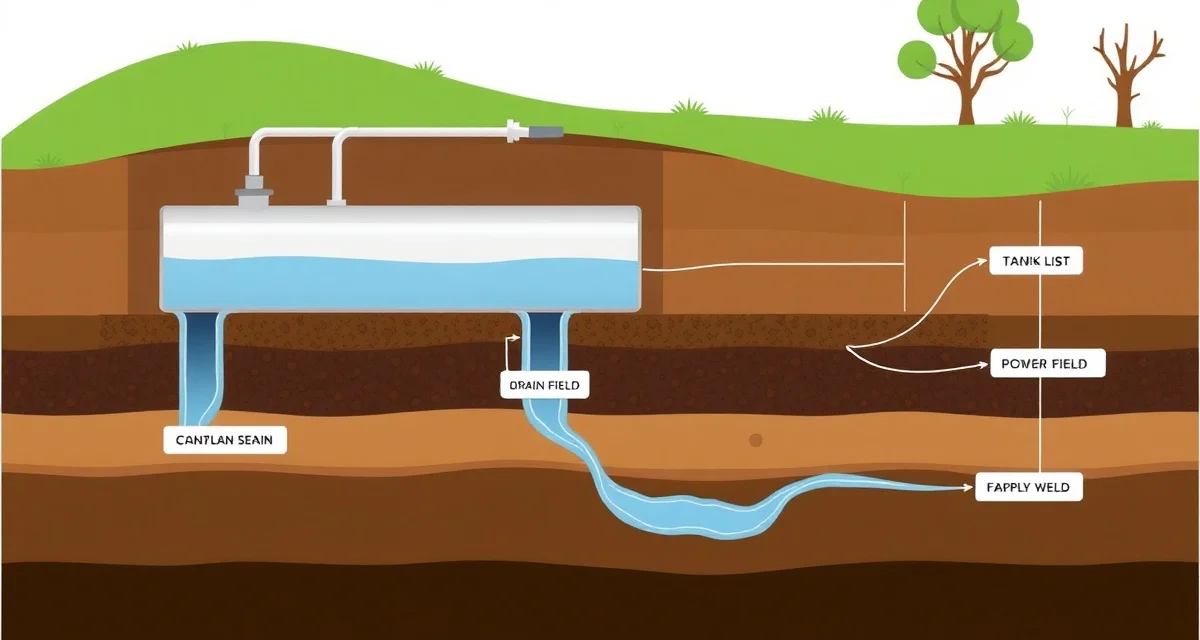
Distribution box and drainfield documentation. The tank is only part of the system. Service records need to capture D-box condition, drainfield visual findings, and any evidence of saturation or performance decline, not just the pump-out measurement.
Permit tracking for counties that require pump-out records. Some states and counties require disposal manifests or service records for conventional system pump-outs. Tracking this as part of the service record ensures compliance without a separate tracking system.
Historical service record accessible to techs in the field. When a tech is standing at a property's tank, they should be able to see the last three service visits, what was found, and any notes from previous techs, without calling the office.
Get Started with SepticMind
Conventional system management is the foundation of most septic businesses, and consistent documentation of every service visit is what separates a company that grows from one that stays flat. SepticMind stores complete service records by property, tracks pump intervals, and generates inspection reports that meet state requirements. See how it organizes your conventional system roster.
FAQ
What makes conventional septic system management different from other field service work?
Conventional septic systems require service interval scheduling tied to tank size and household size, not just calendar-based intervals. The service record needs to capture system-specific measurements (sludge depths, component condition) that general field service software doesn't have fields for. Permit and manifest requirements vary by county and state. And the historical service record tied to the property (not just the customer) matters because systems outlast ownership changes.
Does SepticMind track conventional system drain field condition over time?
Yes. Each service record includes drainfield observation fields where techs can document visual findings, probe measurements, and any evidence of saturation or performance change. These records accumulate over time and let you track whether a drainfield is showing signs of decline across multiple service visits.
How does SepticMind calculate service intervals for conventional systems?
SepticMind uses tank size, household occupancy, and known modifiers (garbage disposal use, water softener discharge) to calculate the recommended service interval for each customer. The calculation follows standard accumulation rate guidelines and generates a specific next service date rather than a generic interval. The recommended date updates when actual service is performed.
What is the most common cause of conventional drainfield failure?
Solid waste escaping through a damaged or missing outlet baffle is the most common cause of drainfield failure. When the baffle fails, sludge and scum reach the distribution box and drainfield pipes, clogging gravel and soil pores. Biomat formation develops when excessive solids loading enters the field and seals the soil surface. Regular pump-outs combined with outlet baffle inspection at every service visit are the most effective preventive measures.
How should service records be maintained for conventional systems?
Records should be tied to the property address rather than the current homeowner's name, since properties change hands and new owners need complete service history. Each record should include the date, volume pumped, observed sludge and scum levels, baffle condition, effluent filter condition if present, deficiencies noted, and the technician who performed the service. Digital records stored by address allow a company to immediately pull complete history when a new owner calls or a real estate inspection is ordered.
Try These Free Tools
Sources
- National Onsite Wastewater Recycling Association (NOWRA)
- US EPA Office of Wastewater Management
- NSF International
- Water Environment Federation
- National Environmental Services Center (NESC)