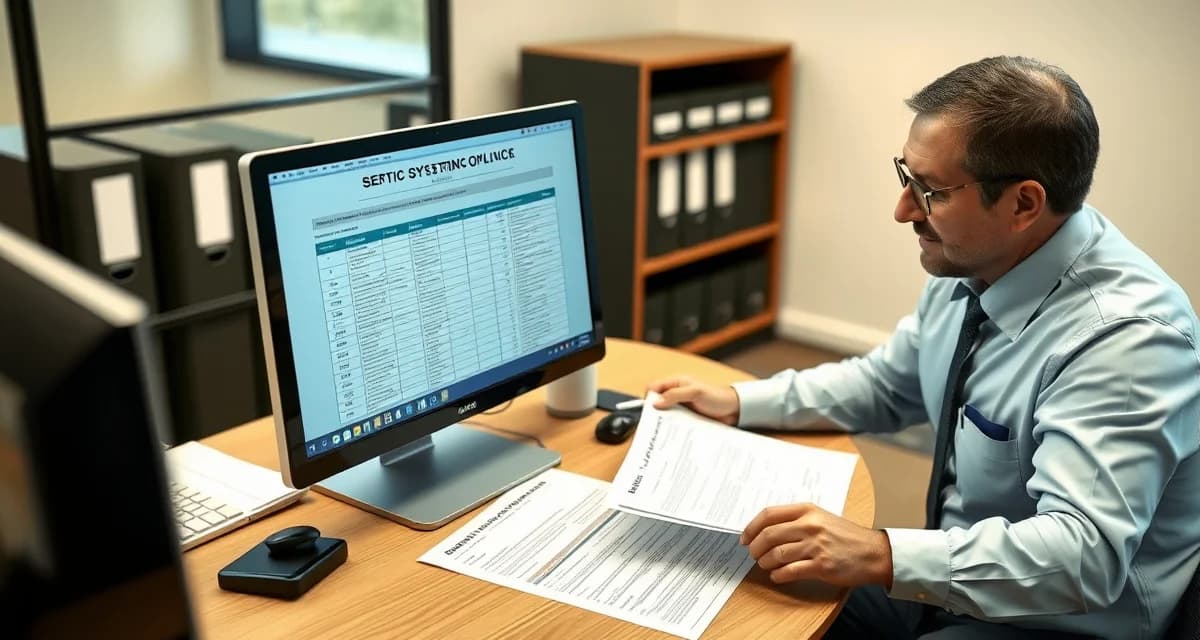
Septic Company Compliance Checklist: Everything You Need Covered
By the SepticMind Editorial Team
Compliance for a septic service company isn't a one-time task you complete at licensing and then forget. It's an ongoing set of requirements, renewals, documentation standards, and state-specific rules that change over time. Miss three items per quarter, as companies without formal compliance tracking typically do, and the fines and liability add up fast.
TL;DR
- Septic permit and compliance requirements are set at the state level but administered at the county level, creating significant variation within a single state.
- Operating without required permits or missing compliance deadlines can result in fines, stop-work orders, and license referrals.
- Permit applications must include specific documentation (soil evaluations, site plans, contractor license) that varies by county.
- Multi-county operations need a systematic approach to tracking permit applications, status updates, expiration dates, and renewal deadlines.
- Digital permit tracking reduces the risk of missed deadlines that compound into compliance notices and license risk.
- SepticMind's county permit database covers all 50 states with current forms, fees, and review timelines.
This checklist gives you a structured way to review your compliance status across every major category. Use it quarterly, or better yet, set up software that tracks these items automatically so you're not relying on memory and spreadsheets.
Company-Level Licensing and Registration
Start with the basics. Your company itself needs to be properly licensed and registered to operate.
- State contractor license for septic services (check renewal date)
- Business entity registration with your state (LLC, corporation, or sole proprietor filing current)
- Local business license for each county or municipality you operate in
- State environmental or health department registration if required in your state
- NAICS code and any applicable trade association memberships required by state contracts
Check the renewal dates on all of these. A lapsed contractor license can shut down your operation and generate fines that dwarf the cost of the renewal.
Technician Certifications and Licenses
Your company's license only covers so much. Most states also require individual technician certifications for specific types of septic work.
- Installer license for each technician performing new system installations
- Inspector certification for techs performing inspections
- Alternative system maintenance certifications (ATU, mound, sand filter, etc.) where required
- Operator certifications if you service systems under maintenance contracts
- DOT medical cards for CDL drivers operating pump trucks
- Any state-specific endorsements for specific system types
The critical compliance risk here is assigning uncertified technicians to work that requires certification. That exposes your company to license sanctions and liability even if the work itself was performed correctly.
SepticMind's technician tracking software tracks certification expiration dates and can prevent dispatch of an uncertified tech to permitted work.
Vehicle and Equipment Compliance
Your pump trucks and equipment have their own compliance requirements separate from your company license.
- DOT vehicle inspections current for all commercial vehicles
- Annual pump truck inspections where required by state
- Waste hauler registration or manifests required for your state
- Tank truck permits for transporting septage
- Equipment calibration records if inspections require calibrated measurement tools
- Vehicle insurance coverage at required minimums
A single DOT violation can sideline a truck and generate fines. Keeping a maintenance and inspection calendar for each vehicle is non-negotiable.
Permit Tracking by Job Type
This is where many multi-county operators lose control. Each job type has its own permit requirements, and those requirements vary by county.
Installation jobs:
- Site evaluation or soil perc test permit
- Installation permit from county health department or state authority
- Engineer or evaluator stamps where required
- Final inspection and approval before system is used
Repair jobs:
- Repair permit in most states and counties
- Before-and-after documentation
- As-built drawings if system configuration changes
Inspection jobs:
- Inspector certification verification
- Documentation format requirements by state
- Lender-specific requirements for real estate transactions
Maintenance jobs (alternative systems):
- Maintenance contract registration with state or county where required
- Inspection interval compliance documentation
- Required reporting to regulatory authority
Missing a permit before starting work is one of the most expensive compliance errors. Thorough compliance programs reduce septic company regulatory incidents by 84%. SepticMind's permit tracking software auto-loads permit requirements based on job type and county when the job is created.
Insurance Documentation
Compliance gaps in insurance coverage can be catastrophic. Check each item below.
- General liability insurance: verify current certificate and coverage limits
- Commercial auto insurance: current on all vehicles, limits meet or exceed state minimums
- Workers compensation insurance: current certificate for all employees
- Errors and omissions coverage if you perform inspections
- Umbrella policy if your state requires it for certain permit types
- Certificates of insurance on file for active contracts or government accounts
Keep copies of all insurance certificates in a centralized location. Clients and government agencies request these frequently, and not being able to produce a current certificate quickly creates delays and looks unprofessional.
Documentation and Reporting Requirements
Many states require septic companies to submit reports to state or county health departments, either on a per-job basis or on a scheduled reporting cycle.
- Per-job inspection reports filed with county health department where required
- Septage disposal manifests filed with state or county
- Annual operational reports for alternative system maintenance contracts
- Notification requirements for failed systems discovered during inspections
- Customer notification requirements when permit issues are discovered
These reporting requirements vary by state. What Florida requires is different from what Texas requires, which is different from what California requires. If you operate across state lines, you need a tracking system that handles each state's requirements separately.
SepticMind's state compliance templates auto-load based on the job's state, so documentation requirements are flagged before the job is closed.
Customer Documentation and Agreements
Compliance isn't only with regulators. Your agreements with customers need to be solid too.
- Written service agreements for all ongoing maintenance contracts
- Customer notification procedures for failed system discoveries
- Informed consent or release documentation for exploratory work
- Records retention policy (most states require minimum 3 to 7 years of service records)
Companies without written service agreements face dispute liability on a much higher percentage of completed jobs. Get agreements in writing for every ongoing relationship.
Annual Compliance Review Process
Beyond tracking individual items, build an annual compliance review into your calendar. Cover these areas once per year at minimum:
- Review all state regulations for any changes since your last review
- Verify all technician certifications are current and note upcoming renewals
- Confirm all vehicle registrations and inspections are scheduled
- Pull insurance certificates and verify limits are still adequate
- Review any county-level permit requirement changes in your service area
- Audit your documentation for any gaps in required reporting
Building this review into a calendar event prevents the "I'll get to it when things slow down" problem that leads to lapses.
Get Started with SepticMind
Permit compliance across multiple counties is one of the first places a growing septic business loses control. SepticMind's permit database and tracking tools cover all 50 states with county-level detail, automated deadline alerts, and document storage by project. See how permit management works.
Frequently Asked Questions
What permits and licenses does a septic company need to operate legally?
Requirements vary by state, but typically include a state contractor or operator license for the company, individual technician certifications for specific work types, county or local business licenses, commercial vehicle permits, and waste hauler registration. Many states also require specific permits before each job type can begin, including installation, repair, and inspection permits.
How do I track ongoing compliance requirements like insurance and vehicle inspections?
Build a compliance calendar that tracks renewal dates for every active license, certification, insurance policy, and vehicle inspection. Better yet, use software with a compliance dashboard that surfaces upcoming deadlines automatically rather than relying on a calendar you have to manually maintain.
Does SepticMind alert me when any compliance item in my company profile is due?
Yes. SepticMind's compliance dashboard tracks technician certifications, permit renewal deadlines, and documentation requirements and alerts you in advance of upcoming due dates. The system also flags missing documentation when jobs are created in counties or states with specific requirements.
What are the consequences of performing septic work without a required permit?
Performing septic work without required permits can result in stop-work orders halting the project, fines on a per-day or per-violation basis, mandatory removal of unpermitted work at the contractor's expense, and referral to the contractor licensing board for potential license action. In some states, unpermitted septic work also creates civil liability for the contractor if the system later fails and the homeowner can show the work was not properly inspected. Obtaining permits before beginning work protects both the contractor and the property owner.
How should a septic company track permit deadlines across multiple counties?
A spreadsheet can work for a single county, but multi-county permit tracking requires a system with automated deadline alerts, status tracking, and the ability to store permit documents by project. The most common failure mode is a permit that was applied for and approved but whose inspection deadline was missed because no one was actively monitoring it. Purpose-built septic software with a permit tracking module flags upcoming deadlines automatically and keeps all permit documentation attached to the relevant project record.
Try These Free Tools
Sources
- National Onsite Wastewater Recycling Association (NOWRA)
- US EPA Office of Wastewater Management
- NSF International
- Water Environment Federation
- National Environmental Services Center (NESC)