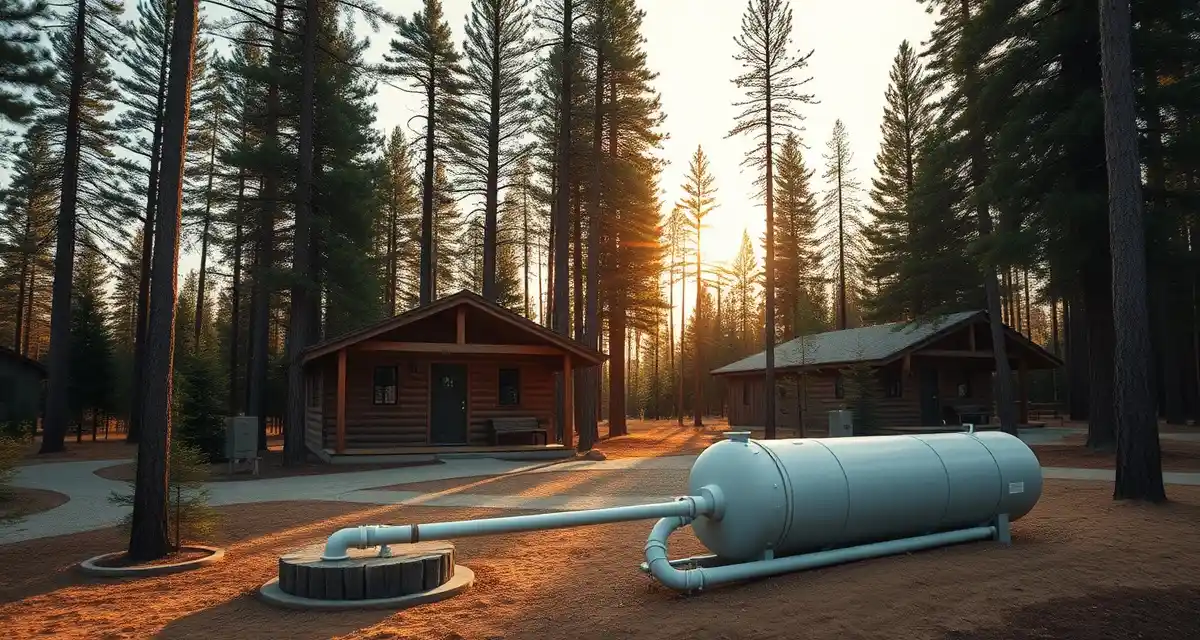
Septic Service for Outdoor Recreation Centers and Trailheads
By the SepticMind Editorial Team
Outdoor recreation facilities with restroom buildings face a septic management challenge unlike most commercial properties: extreme seasonal load variability combined with environmentally sensitive locations. Trailhead and outdoor recreation restroom systems face extreme peak loads during summer hiking season, and National forest and state park adjacent private trailhead facilities face federal environmental proximity rules that add compliance complexity to an already demanding situation.
TL;DR
- Recreation Centers Outdoor facilities have distinct wastewater loading patterns that affect septic system sizing, service frequency, and permit requirements.
- Commercial and institutional properties like recreation centers outdoor typically require more frequent pumping than residential systems due to higher daily usage.
- Some recreation centers outdoor operations generate waste streams (grease, chemicals, or high-volume flow) that require pre-treatment before reaching the septic system.
- Service contracts for recreation centers outdoor provide predictable recurring revenue and are easier to manage with a platform that tracks commercial account schedules.
- Health department inspections for recreation centers outdoor properties may require septic system condition documentation as part of facility licensing.
- Septic companies specializing in recreation centers outdoor service build referral networks with property managers, architects, and health inspectors in that niche.
A trailhead restroom that served 50 daily visitors in October may see 300+ per day during peak summer weekends. The system needs to handle that peak, and it needs to do so without environmental discharge near the protected natural areas these facilities are designed to serve.
Peak Season Load Management
The defining challenge at outdoor recreation facilities is the gap between off-season and peak-season use. Consider the load profile of a trailhead restroom at a popular hiking area:
- October through March: 20-50 daily visitors (local use, off-season hikers)
- April through May: 50-150 daily visitors (spring wildflower season)
- June through September: 200-500+ daily visitors (peak summer, weekends especially)
The system must be sized and serviced for the peak, not the average. A system that handles October just fine but overwhelms in July is a compliance problem and a visitor experience problem simultaneously.
Pre-season service before summer hiking season is the most important maintenance event of the year for outdoor recreation facilities. Going into peak season with a full tank is avoidable and unacceptable.
SepticMind's outdoor facility account type tracks seasonal service scheduling for summer recreation peak. Your service reminders are built around your season calendar, not arbitrary annual dates.
Environmental Requirements Near Protected Areas
Outdoor recreation facilities adjacent to national forests, state parks, wilderness areas, and other protected lands face environmental proximity rules that go beyond standard county health department requirements. The relevant frameworks include:
EPA Clean Water Act protections: Septic systems near navigable waters or wetlands must comply with CWA setback and discharge standards. Drainfield placement near streams, rivers, or wetlands requires special review.
USFS and BLM requirements: Facilities on or adjacent to US Forest Service or Bureau of Land Management lands may need special use permits with environmental conditions including wastewater management standards.
State environmental buffer zones: Many states have buffer zone requirements for septic systems near sensitive environmental features: certain distances from wetlands, streams, seasonal water features, and protected habitat areas.
Watershed protection rules: Facilities in municipal watershed areas or protected water supply watersheds may face heightened restrictions on septic discharge.
If your outdoor recreation facility is adjacent to any protected natural feature, get confirmation from both your county health department and the relevant federal or state land manager about what environmental compliance applies to your wastewater system.
System Types for Outdoor Locations
Not all outdoor recreation locations support conventional gravity septic drainfields. The alternative septic system management software guide covers engineered alternatives in depth, but the common options for outdoor recreation facilities include:
Holding tanks: For very high peak use facilities or locations where drainfields aren't feasible, holding tanks that are regularly pumped are sometimes the only approved option. These require more frequent service as a tradeoff for no soil discharge.
Composting toilets: For dry, remote locations, composting toilet systems eliminate the wastewater component entirely. These require their own maintenance but are often appropriate where water is scarce.
Mound systems: For locations with high water tables or limiting soil conditions, engineered mound systems can work where conventional drainfields cannot.
Aerobic treatment units: For facilities near water bodies where effluent quality must meet higher standards, ATUs provide additional treatment before discharge.
Get Started with SepticMind
Recreation Centers Outdoor facilities need a service provider who understands the specific wastewater challenges of their operations. SepticMind makes it easy to manage commercial service contracts, track inspection schedules, and document service visits for every account in your portfolio. See how it supports commercial account management.
Frequently Asked Questions
How often should a trailhead restroom facility service its septic system during summer peak?
A trailhead restroom serving 200-500 daily visitors during summer peak may need pump-outs as frequently as every 2-4 weeks during the peak season. The exact interval depends on tank size, daily visitor counts, and system type. During shoulder season with 50-100 daily visitors, monthly service may be adequate. Off-season service can be quarterly or seasonal. The most reliable approach is to have an initial inspection at the start of the season to assess baseline tank condition, then schedule service based on actual fill rate observations during the first few high-traffic weekends. Don't assume last year's interval applies if this year's visitation is higher.
What environmental requirements apply to septic systems near national forest or wilderness areas?
Outdoor recreation facilities adjacent to national forests, wilderness areas, or other protected lands face environmental requirements from multiple sources. EPA Clean Water Act protections apply to any discharge near navigable waters or wetlands. USFS or BLM special use permits for facilities on federal land may include specific wastewater management conditions. State environmental laws add buffer zone and setback requirements near streams, wetlands, and other sensitive features. The applicable rules vary significantly by location and land status. Contact your county health department and the relevant federal or state land manager to confirm all requirements that apply to your specific facility.
Does SepticMind support peak-season scheduling for outdoor recreation facility accounts?
Yes. SepticMind's outdoor facility account type links service scheduling to seasonal use patterns. You set your peak season dates and the system generates accelerated service reminders during high-use periods, transitioning to less frequent reminders during shoulder and off seasons. Pre-season service reminders fire automatically before each season opens. For facilities with multiple restroom buildings across a trail network or park property, each facility has its own record under the same account. Service providers can see access notes for each location, including road conditions, gate codes, and any seasonal access limitations.
How often should a septic system serving a recreation centers outdoor property be inspected?
Septic systems at recreation centers outdoor properties should be inspected at least annually and pumped more frequently than residential systems, since commercial-scale daily water usage accelerates sludge and grease accumulation. The exact frequency depends on the specific activities at the facility, peak occupancy, any food service or chemical use on-site, and local regulatory requirements. A service provider familiar with recreation centers outdoor operations can recommend an appropriate inspection and pumping schedule based on the system's actual usage profile.
What septic system issues are most common at recreation centers outdoor properties?
The most common septic problems at recreation centers outdoor properties are rapid sludge accumulation from high occupancy, grease trap failure if food service is involved, hydraulic overloading during peak-use periods, and non-biodegradable waste disposal from cleaning or maintenance activities. Regular inspection and a service contract with clear maintenance intervals are the most effective ways to catch these problems before they cause system failure or regulatory violations.
Try These Free Tools
Sources
- National Onsite Wastewater Recycling Association (NOWRA)
- US EPA Office of Wastewater Management
- NSF International
- Water Environment Federation
- National Environmental Services Center (NESC)