Septic Service Software for Horse Farms and Equestrian Properties
By the SepticMind Editorial Team
Equestrian properties average 2.3 separate septic systems, each requiring independent service records. Horse farms with multiple residential and facility structures often have multiple septic systems requiring separate tracking, a main residence on one system, barn restrooms on another, farm worker housing on a third. Treating a horse farm as a single account with a single service record misses the complexity that actually exists at these properties.
TL;DR
- Horse Farms facilities have distinct wastewater loading patterns that affect septic system sizing, service frequency, and permit requirements.
- Commercial and institutional properties like horse farms typically require more frequent pumping than residential systems due to higher daily usage.
- Some horse farms operations generate waste streams (grease, chemicals, or high-volume flow) that require pre-treatment before reaching the septic system.
- Service contracts for horse farms provide predictable recurring revenue and are easier to manage with a platform that tracks commercial account schedules.
- Health department inspections for horse farms properties may require septic system condition documentation as part of facility licensing.
- Septic companies specializing in horse farms service build referral networks with property managers, architects, and health inspectors in that niche.
SepticMind's multi-system property accounts track barn, residence, and facility systems separately on one property so every system gets its own service history and scheduling.
Understanding the Horse Farm Septic Profile
Horse farms generate septic service complexity from multiple sources:
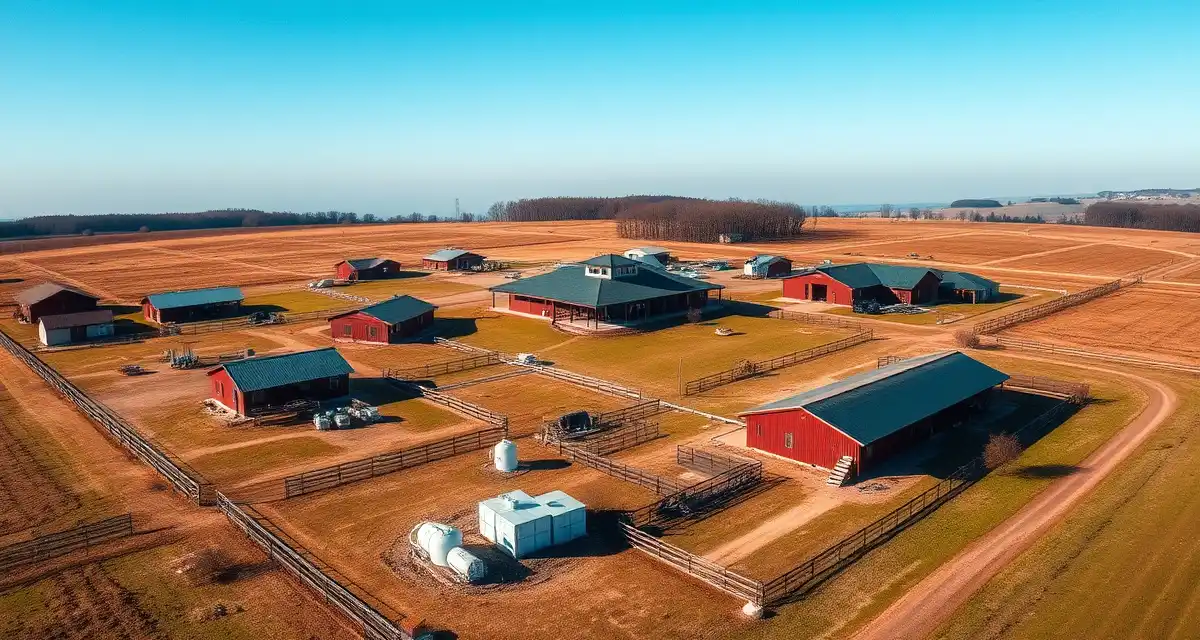
Multiple structures with separate systems. A large equestrian property might have: a main residence (with a system sized for the household), a barn restroom facility (with a separate system sized for facility use), a caretaker or farm manager residence (another separate system), and a horse show or event facility (potentially a larger system for event-day use). Each system was permitted and sized independently. Each needs independent service scheduling.
High water use in some structures. Horse care involves notable water use, watering, stall cleaning, equipment washing. Where facility structures have restrooms with plumbing used for horse care purposes (washing stalls, cleaning equipment near restrooms), the water use pattern can stress small septic systems. Understanding how each system is actually being used is essential for setting correct service intervals.
Seasonal loading variation. Horse farms that host shows, clinics, or events have dramatically increased loading during events. A facility that hosts one weekend show per month sees concentrated high loading that doesn't show up in the daily average but accelerates tank filling more than daily averages would suggest.
Agricultural context. Some equestrian properties also have agricultural structures (hay storage, equipment barns, grain storage) that don't use septic systems. Understanding which structures have plumbing and which don't prevents scheduling confusion.
Setting Service Intervals for Multiple Systems
Each system on a horse farm property deserves its own service interval calculation based on the loading it actually receives.
Main residence system. Standard residential service interval based on household size, tank size, and water use patterns. The main house is usually straightforward.
Barn restroom system. The loading on this system depends heavily on how many people use it and what they're washing. A barn restroom used primarily by staff and riders during lessons has moderate loading. A barn restroom used for equipment and stall washing in addition to human use has much higher loading. Ask specifically: what's washed in the barn plumbing? Is there a floor drain that connects to this system?
Event facility system. If the property hosts horse shows or other events, the event facility system needs a service interval that accounts for event-day loading, not just the much lighter daily-average loading. A facility used 15 times per year for one-day shows with 100+ attendees has very different loading than its empty-facility baseline suggests.
Worker housing systems. Systems for farm worker or caretaker housing follow standard residential calculations for the number of occupants.
Septic service for farms covers the broader agricultural property service approach including multiple-system properties and seasonal loading patterns.
The Horse Show Season Service Challenge
Horse farm owners who host events understand that their septic systems get stressed during shows. What they often don't have is a service schedule that reflects that seasonal stress.
A barn restroom system that's adequate for daily use may not be adequate for a weekend show with 50 trailers and 200 attendees. Systems that handle normal loading fine can back up during events if the tank is approaching capacity when high event-day loading hits.
Proactive service scheduling before show season addresses this. A pre-season pump-out of the event facility system (even if the calendar interval hasn't been reached) ensures the system starts the season with full capacity. This is an easy conversation to have with horse farm owners who've had one backup during a show: "We can schedule a pre-season service in March before your show season starts, so you're not running into capacity issues during your busiest events."
Conventional septic system management covers the service record and interval tracking approach applicable to the conventional gravity systems most common on horse farm residential structures.
Access and Property Navigation
Horse farms present access challenges that residential service calls don't. The pump truck needs to reach each system, and horse farm driveways, barn areas, and pasture access points aren't always truck-friendly:
Weight limits on agricultural roads and bridges. Farm driveways and access roads sometimes have weight restrictions or soft conditions that limit pump truck access. Ask about road conditions and any access limitations when first setting up the account.
Gate and security systems. Large equestrian properties often have gated access. Collect gate codes and access instructions for every access point the truck might need.
Animal safety around truck operation. Horses can be startled by loud equipment. Coordinate service timing with the farm manager to avoid service during feeding times or when horses are being worked in areas near where the truck will operate.
GPS coordinates for each system. On large properties, systems may be hundreds of yards from the main entrance. Store GPS coordinates for each system's access point in the property record so technicians can navigate directly.
Get Started with SepticMind
Managing service contracts for horse farms properties is easier with a platform built for the septic trade. SepticMind tracks commercial service schedules, documents every inspection visit, and keeps your compliance records organized by property. See how it handles your commercial account portfolio.
Frequently Asked Questions
How often should a horse farm's septic system be pumped?
Each system on the property needs its own service interval based on its specific loading. The main residence follows standard residential calculations (tank size, household size, 3-5 year typical interval). Barn restroom systems depend on actual use intensity (a barn restroom used primarily for staff use during lessons might be on a 3-4 year schedule; a barn restroom used for equipment and stall washing might need annual service. Event facility systems should factor in event loading: estimate total attendee-days per year from the show schedule and use that figure in addition to regular daily loading to calculate the appropriate interval. The first service visit to a new horse farm account tells you a lot about actual loading) sludge levels relative to time since last service give you data to calibrate the intervals accurately.
What septic system size is needed for a horse farm with multiple water users?
System sizing is a design and permit question for a licensed designer or engineer in your state, not a field determination. Each system on the property must be sized based on: the design flow (gallons per day based on the use type and number of users for that system), the soil conditions at the drainfield location, and the applicable state and county permit standards. For new construction on equestrian properties, a licensed designer needs to evaluate each structure's use type separately (a barn restroom has different design flow assumptions than a residential structure, and an event facility has different assumptions than either. For existing systems, the question is whether the installed system is adequately sized for the current use intensity) which may have changed since original installation if the property's use has expanded.
Does SepticMind track multiple systems for a single large agricultural property?
Yes. SepticMind's multi-system property structure allows one property address to have multiple separate system records (each with its own system type, tank size, service history, next service date, and scheduling. For a horse farm with four separate systems, you create four system records under the same property. Each system gets its own service schedule based on its specific loading. When you service one system, that service record updates only that system's history) the other systems' next service dates aren't affected. The property view shows all systems and their current service status at a glance. Service reminders go out per system, so a barn restroom system due in 4 months and a residence system not due for 18 months each generate their own appropriate reminders.
How often should a septic system serving a horse farms property be inspected?
Septic systems at horse farms properties should be inspected at least annually and pumped more frequently than residential systems, since commercial-scale daily water usage accelerates sludge and grease accumulation. The exact frequency depends on the specific activities at the facility, peak occupancy, any food service or chemical use on-site, and local regulatory requirements. A service provider familiar with horse farms operations can recommend an appropriate inspection and pumping schedule based on the system's actual usage profile.
What septic system issues are most common at horse farms properties?
The most common septic problems at horse farms properties are rapid sludge accumulation from high occupancy, grease trap failure if food service is involved, hydraulic overloading during peak-use periods, and non-biodegradable waste disposal from cleaning or maintenance activities. Regular inspection and a service contract with clear maintenance intervals are the most effective ways to catch these problems before they cause system failure or regulatory violations.
Try These Free Tools
Sources
- National Onsite Wastewater Recycling Association (NOWRA)
- US EPA Office of Wastewater Management
- NSF International
- Water Environment Federation
- National Environmental Services Center (NESC)