Septic Service for Crop Farms and Grain Operations
By the SepticMind Editorial Team
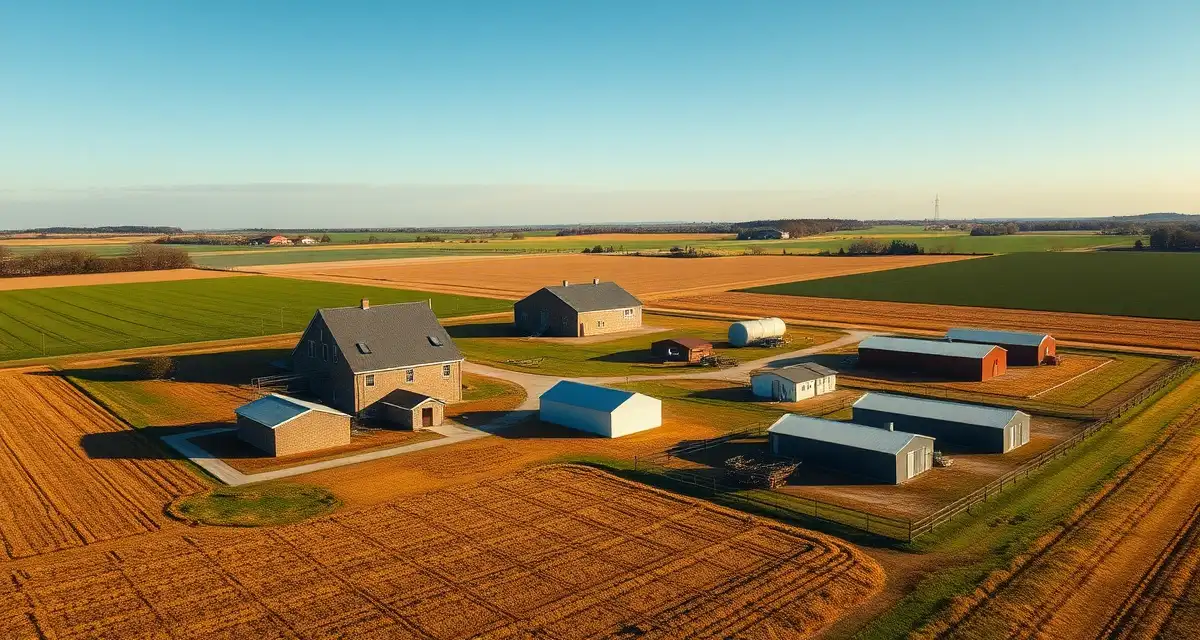
Crop farm septic systems serving farmhouses and seasonal worker housing need separate tracking. A typical grain farm may have a farmhouse, one or more worker housing units, a field office, and grain elevator or storage facility bathrooms, each with its own septic system or shared infrastructure. OSHA sanitation rules require proper facilities for agricultural workers regardless of farm type, and the worker housing component creates compliance obligations that many farm operators don't fully understand.
TL;DR
- Crop Farms facilities have distinct wastewater loading patterns that affect septic system sizing, service frequency, and permit requirements.
- Commercial and institutional properties like crop farms typically require more frequent pumping than residential systems due to higher daily usage.
- Some crop farms operations generate waste streams (grease, chemicals, or high-volume flow) that require pre-treatment before reaching the septic system.
- Service contracts for crop farms provide predictable recurring revenue and are easier to manage with a platform that tracks commercial account schedules.
- Health department inspections for crop farms properties may require septic system condition documentation as part of facility licensing.
- Septic companies specializing in crop farms service build referral networks with property managers, architects, and health inspectors in that niche.
The Multi-System Reality of Crop Farm Properties
When a septic service provider visits a crop farm, they may encounter several distinct systems:
Farmhouse system: The primary residence on the property. Typically a standard residential system, potentially decades old, serving the farm family. This system is managed the same way any residential system is managed.
Worker housing systems: Bunkhouses, labor camps, or individual worker residences. These may be served by the same system as the farmhouse or by separate systems. The housing's wastewater load is residential in character but institutional in compliance requirements.
Field office or shop facilities: Some larger operations have a field office, equipment storage building with bathrooms, or grain elevator with worker restrooms. These are commercial-use facilities subject to commercial septic rules if they serve non-family employees regularly.
Seasonal-only facilities: Some farms have portable or semi-permanent restroom facilities for harvest crews that aren't connected to a permanent septic system.
SepticMind's crop farm account type tracks farmhouse, worker housing, and facility septic systems separately. Each system has its own record, service history, and compliance requirements.
OSHA Agricultural Worker Sanitation Requirements
OSHA's Agricultural Worker Protection Standard and the Field Sanitation Standard (29 CFR 1928.110) require employers to provide toilet and handwashing facilities for agricultural workers under certain conditions. The key threshold: the rule applies to farms that employ 11 or more workers on any day.
If you employ 11 or more agricultural workers:
- Toilet facilities accessible in the field (one per 20 workers)
- Potable drinking water
- Handwashing facilities
These field requirements typically use portable facilities rather than permanent septic systems. But the housing facilities for workers who live on the farm are governed by different rules.
Worker housing: Employer-owned housing provided to agricultural workers is regulated by state laws and, in many cases, federal Migrant and Seasonal Agricultural Worker Protection Act (MSPA) standards. Housing conditions including sanitation are subject to compliance inspection.
Seasonal Worker Housing Compliance
Seasonal worker housing on farms creates the most significant compliance obligation. If you provide housing to migrant or seasonal agricultural workers, the housing is subject to state and potentially federal inspection. Sanitation requirements include:
- Functioning toilet facilities (one per 10 residents in most state standards)
- Functioning hot and cold water
- Proper sewage disposal
"Proper sewage disposal" means a functioning, permitted septic system sized for the housing's occupancy. A seasonal bunkhouse for 20 workers needs a commercial-scale septic system appropriate for 20 residents, properly permitted and regularly maintained.
Farm operators who provide worker housing without ensuring the septic system meets regulatory standards face potential citations from state labor or agricultural departments and, for farms subject to MSPA, federal violations.
Service Intervals for Farm Properties
Service intervals for crop farm properties should be set separately for each system:
Farmhouse: Standard residential interval of 3-5 years depending on tank size and household size. Annual inspection if the system is aging.
Worker housing: More frequent service based on occupancy. A 20-person bunkhouse needs annual service at minimum, potentially more frequently during intensive planting and harvest seasons when housing occupancy is highest.
Facility restrooms: Commercial interval based on daily worker use. Annual inspections with pump-outs every 2-3 years for low-use facilities.
For operations growing specialty crops or managing certified organic acreage, see the septic service for organic farms guide for certification-specific setback and compliance considerations.
For operations with dairy or livestock components, the septic service for dairy farms guide covers agricultural waste management for the animal facility portions of the operation.
Get Started with SepticMind
Managing service contracts for crop farms properties is easier with a platform built for the septic trade. SepticMind tracks commercial service schedules, documents every inspection visit, and keeps your compliance records organized by property. See how it handles your commercial account portfolio.
Frequently Asked Questions
What septic systems does a crop farm typically need for farmhouse and worker housing?
A crop farm typically needs separate septic systems for the farmhouse (standard residential) and any worker housing (residential-scale but commercially compliant based on occupancy). The farmhouse system follows standard residential rules for the county. Worker housing systems must be sized for the maximum number of workers housed and permitted as residential or commercial facilities under local rules. If the farm also has a field office, equipment building bathrooms, or grain elevator facilities with worker restrooms, those may need their own commercial septic systems. Each system should be separately documented with its own permits, service records, and compliance history.
Do crop farm worker housing septic systems have special OSHA compliance requirements?
OSHA's general industry sanitation standards don't directly govern private farm worker housing, but state agricultural labor housing standards do. Most states that regulate migrant and seasonal agricultural worker housing require functioning sanitation as a condition of housing registration or permit. The federal Migrant and Seasonal Agricultural Worker Protection Act (MSPA) also sets housing standards for operations subject to MSPA. The practical result is that worker housing on farms needs properly permitted, functioning septic systems sized for the actual number of residents. Failing sanitation at worker housing is one of the most commonly cited violations in state agricultural labor housing inspections.
Does SepticMind support multi-system tracking for crop farm properties?
Yes. SepticMind's crop farm account type manages farmhouse, worker housing, and facility septic systems as separate records under a single farm account. Each system has its own service history, compliance requirements, and service schedule. The farm operator sees all systems in one view, with upcoming service dates for each flagged when approaching. Worker housing systems can be linked to applicable state labor housing compliance requirements alongside standard county septic rules. For farm operations with multiple tracts or properties, all locations can be tracked under a single organization account.
How often should a septic system serving a crop farms property be inspected?
Septic systems at crop farms properties should be inspected at least annually and pumped more frequently than residential systems, since commercial-scale daily water usage accelerates sludge and grease accumulation. The exact frequency depends on the specific activities at the facility, peak occupancy, any food service or chemical use on-site, and local regulatory requirements. A service provider familiar with crop farms operations can recommend an appropriate inspection and pumping schedule based on the system's actual usage profile.
What septic system issues are most common at crop farms properties?
The most common septic problems at crop farms properties are rapid sludge accumulation from high occupancy, grease trap failure if food service is involved, hydraulic overloading during peak-use periods, and non-biodegradable waste disposal from cleaning or maintenance activities. Regular inspection and a service contract with clear maintenance intervals are the most effective ways to catch these problems before they cause system failure or regulatory violations.
Try These Free Tools
Sources
- National Onsite Wastewater Recycling Association (NOWRA)
- US EPA Office of Wastewater Management
- NSF International
- Water Environment Federation
- National Environmental Services Center (NESC)