Septic Service for Organic Farms and Certified Agricultural Operations
By the SepticMind Editorial Team
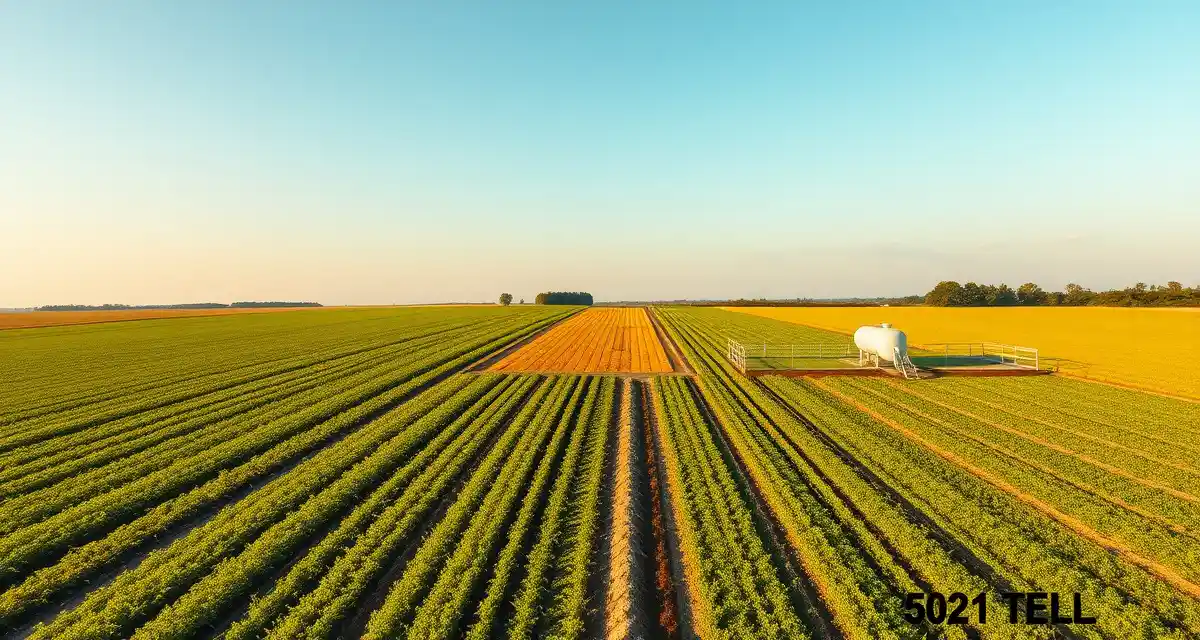
USDA organic certification has setback requirements from septic systems that affect where crops can be grown. This is one of the less-discussed compliance dimensions of organic certification, but it's a real constraint that affects farm layout decisions and ongoing compliance monitoring. USDA National Organic Program rules prohibit application of sewage sludge to certified organic land, and the setback requirements that keep certified growing areas away from septic drainfields are part of the same framework.
TL;DR
- Organic Farms facilities have distinct wastewater loading patterns that affect septic system sizing, service frequency, and permit requirements.
- Commercial and institutional properties like organic farms typically require more frequent pumping than residential systems due to higher daily usage.
- Some organic farms operations generate waste streams (grease, chemicals, or high-volume flow) that require pre-treatment before reaching the septic system.
- Service contracts for organic farms provide predictable recurring revenue and are easier to manage with a platform that tracks commercial account schedules.
- Health department inspections for organic farms properties may require septic system condition documentation as part of facility licensing.
- Septic companies specializing in organic farms service build referral networks with property managers, architects, and health inspectors in that niche.
Organic farmers who don't understand these requirements can find themselves with a certified field that's technically out of compliance because the drainfield from a farmhouse or outbuilding is too close to growing rows.
NOP Rules and Sewage Sludge
The USDA National Organic Program (NOP) regulations at 7 CFR Part 205 prohibit the use of sewage sludge (biosolids) on certified organic land. This prohibition is clear and categorical: organic certification is voided if sewage sludge is applied to the growing area.
The connection to onsite septic systems is through drainfield setbacks. A septic drainfield discharges treated effluent into the soil. While this is different from deliberately applying sewage sludge, the proximity of a drainfield to certified growing areas creates potential for effluent migration into the growing zone. Most certifiers and some state organic programs interpret this as requiring minimum setback distances between septic drainfields and organic production areas.
The National Organic Program doesn't specify a numeric setback distance explicitly, but:
- Your USDA-accredited certifier may have specific setback guidance as part of their certification standards
- Your state organic program may have specific setback requirements
- Some state departments of agriculture have addressed this in organic certification guidance
If you're certified organic and you don't know your certifier's position on septic system setbacks, ask before your next inspection.
How Setbacks Affect Farm Layout
The practical implication: your drainfield's location constrains where you can plant certified organic crops. If your farmhouse drainfield extends into an area you'd like to cultivate, you have a conflict that may require:
- Moving the growing area away from the drainfield
- Modifying or relocating the drainfield (with county health department approval and potentially significant cost)
- Consulting with your certifier about whether the specific distance is within their acceptance range
For farms planning to add new organic acreage near existing buildings, confirm the drainfield location and extent before planting. A new system installed during farm expansion should account for organic certification setbacks in the design.
SepticMind's organic farm account type documents NOP certification setback requirements in service records. This means your certified certifier-specific setback standards and the drainfield location are both documented together, which matters during organic certification inspections.
Annual Certification Documentation
Organic certification inspections occur annually. The certifier's inspector visits the farm and reviews:
- Which fields are in the organic system plan
- Whether prohibited substances have been used
- Land history documentation
Septic system information isn't always a focus of every inspection, but questions about septic system proximity to growing areas do come up, particularly for farms with older or less formalized layouts. Having documented setback distances and confirmation that drainfields are appropriately located relative to certified fields makes the inspection easier.
Get Started with SepticMind
Organic Farms facilities need a service provider who understands the specific wastewater challenges of their operations. SepticMind makes it easy to manage commercial service contracts, track inspection schedules, and document service visits for every account in your portfolio. See how it supports commercial account management.
Frequently Asked Questions
What USDA NOP rules affect septic systems on certified organic farms?
The USDA National Organic Program (7 CFR Part 205) prohibits the use of sewage sludge (biosolids) on certified organic land. While a conventional onsite septic drainfield is different from direct sludge application, the proximity of a drainfield to certified growing areas creates a potential compliance concern that certifiers address through setback requirements. Many USDA-accredited organic certifiers have specific guidance on minimum setback distances between septic drainfields and certified production areas. The rules don't specify a national numeric standard, so the applicable setback distance depends on your certifier's guidelines and any state organic program requirements.
Do organic certification setback requirements affect where a septic drainfield can be located?
Yes. If you're adding new septic infrastructure on an organic farm, the drainfield location should account for organic certification setbacks from any certified growing areas. The setback distance varies by certifier, but a common guidance range is 50-100 feet minimum from any certified growing bed or field boundary. For existing farms where the drainfield location is fixed, the practical constraint is on growing area placement rather than drainfield relocation. Confirm with your specific certifier what setback they require before making field layout decisions that place certified crops near existing drainfields. Some certifiers accept site-specific assessments instead of fixed numeric distances.
Does SepticMind document organic certification compliance notes for organic farm accounts?
Yes. SepticMind's organic farm account type captures NOP certification setback requirements specific to your certifier alongside standard county septic compliance documentation. The account notes drainfield locations and setback distances from certified growing areas, providing documentation that can be reviewed during annual certification inspections. When drainfield locations change due to system repair or expansion, the account is updated to reflect current layout. For farms managing multiple septic systems across their certified acreage, each system's location and associated setback compliance status is tracked separately under the same farm account.
How often should a septic system serving a organic farms property be inspected?
Septic systems at organic farms properties should be inspected at least annually and pumped more frequently than residential systems, since commercial-scale daily water usage accelerates sludge and grease accumulation. The exact frequency depends on the specific activities at the facility, peak occupancy, any food service or chemical use on-site, and local regulatory requirements. A service provider familiar with organic farms operations can recommend an appropriate inspection and pumping schedule based on the system's actual usage profile.
What septic system issues are most common at organic farms properties?
The most common septic problems at organic farms properties are rapid sludge accumulation from high occupancy, grease trap failure if food service is involved, hydraulic overloading during peak-use periods, and non-biodegradable waste disposal from cleaning or maintenance activities. Regular inspection and a service contract with clear maintenance intervals are the most effective ways to catch these problems before they cause system failure or regulatory violations.
Try These Free Tools
Sources
- National Onsite Wastewater Recycling Association (NOWRA)
- US EPA Office of Wastewater Management
- NSF International
- Water Environment Federation
- National Environmental Services Center (NESC)