How much does it cost to get a septic tank pumped in 2025?
By the SepticMind Editorial Team
TL;DR
- Most homeowners pay $250 to $600 to pump a septic tank, with a national average near $400.
- Tank size, local labor rates, access difficulty, and years since the last pump-out drive the price.
- Larger tanks (1,500+ gallons) or badly neglected systems can push the bill past $800.
What is the average cost to have a septic tank pumped?
Most people pay $250 to $600 to pump a septic tank. A standard 1,000-gallon residential tank on a reasonable schedule usually lands around $375 to $425. That price covers the truck visit, the pump-out itself, and disposal at an approved facility. It does not usually cover inspections, jetting, or repairs.
HomeAdvisor's cost data, pulled from hundreds of thousands of reported projects, puts the typical range at $287 to $556, with an average of roughly $420 [1]. Angi reports a similar spread. Neither database is perfect since both aggregate self-reported figures, but the ranges line up well enough to trust as a starting point.
Where you live changes the number a lot. Rural areas with few operators sometimes run higher than dense suburbs where competition is stiff. Coastal markets in the Northeast and California sit at the top of the range. Parts of the South and Midwest come in at the low end. Call two or three local operators before you assume any national figure fits your address.
How does tank size affect the price to pump a septic tank?
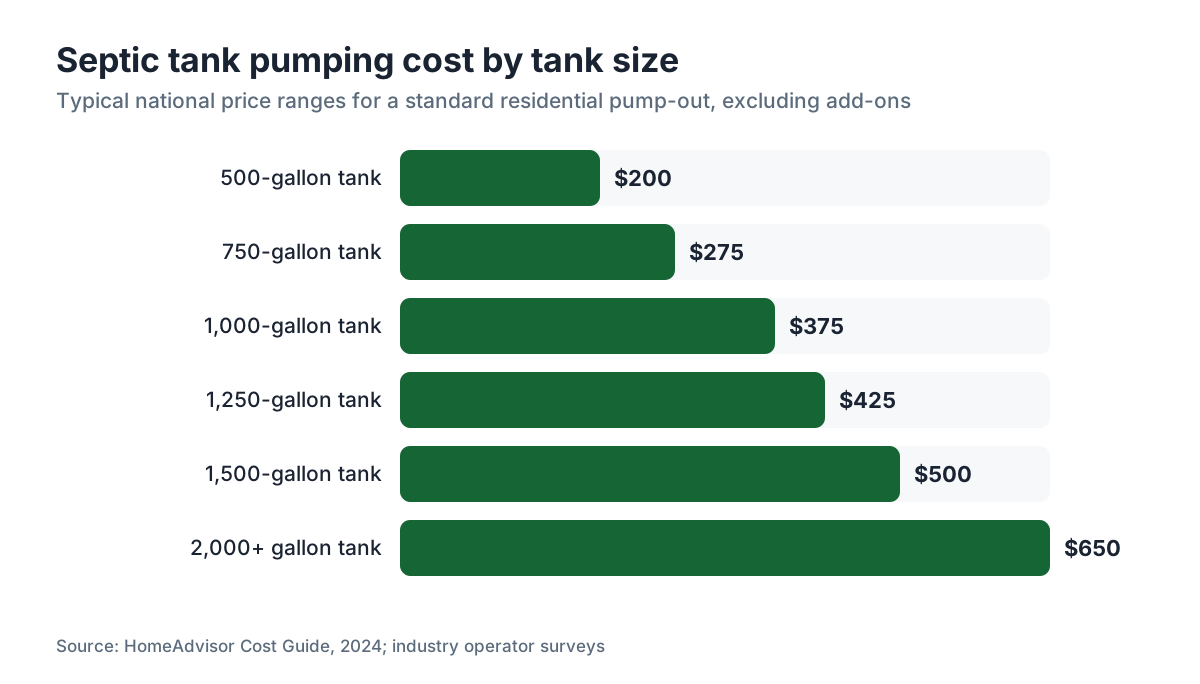
Tank size is the single most reliable predictor of price. Pumpers charge by the gallon (typically $0.30 to $0.60 per gallon) or by size tier. A 500-gallon tank, common in older homes or small cottages, might cost $150 to $250. A 1,000-gallon tank, the most common residential size, runs $250 to $500. A 1,500-gallon tank often lands at $350 to $650. Tanks at 2,000 gallons or more, found in large homes or small commercial properties, can reach $800 or higher.
| Tank Size (gallons) | Typical Cost Range |
|---|---|
| 500 | $150 to $250 |
| 750 | $200 to $350 |
| 1,000 | $250 to $500 |
| 1,250 | $300 to $550 |
| 1,500 | $350 to $650 |
| 2,000+ | $500 to $800+ |
Not sure of your tank's size? Check your property records, the original permit filed with your county health department, or look at the tank lid. Many tanks have the volume stamped or cast into the concrete. Your county's onsite wastewater program usually keeps permit records searchable by parcel address [10].
For a deeper look at the full process, see septic tank pumping and septic tank pump out.
What other factors push the cost to pump a septic tank up or down?
Tank size gets most of the attention. Four other things can move your bill just as much.
Access difficulty. If the lid sits more than a foot deep, the pumper has to dig it out. Some companies charge $25 to $75 for that. If you don't know where the lid is, locating it adds time and cost. Installing a riser after your next pump-out ($100 to $300) kills this charge for every future visit. Worth it after one or two dig-out fees.
How full the tank is. A tank that hasn't been pumped in 15 years takes longer to empty and may need multiple pump cycles. Some operators charge an overage fee of $50 to $150 for tanks that are extremely full or solidified.
Distance from the road. Pump trucks carry a hose, usually 100 to 150 feet. If your tank sits farther than that from where the truck can park, the operator may need extension hoses or extra time. That adds $50 to $100.
Disposal fees. Most quotes include hauling waste to a licensed treatment facility, but some operators list it separately. Always ask whether the quote is all-in. State and local rules govern where septage can be discharged, and in many states that means a permitted wastewater treatment plant [3].
Time of year. Winter pump-outs in frozen-ground states often cost 10 to 20 percent more because the work is harder. Emergency calls (a backed-up system, an overflowing tank) carry emergency rates, sometimes double the normal price.
How much does it cost to clean a septic tank versus just pumping it?
Full cleaning costs $400 to $900. Standard pumping costs $250 to $600 [1]. People use "pumping" and "cleaning" as if they mean the same thing, but they don't. Standard pumping removes the liquid layer and the floating scum layer from the top. Full cleaning, sometimes called a full clean-out, also breaks up and removes the sludge layer at the bottom and may rinse the interior walls.
For routine maintenance on a regularly serviced tank, a standard pump-out is all you need. The sludge layer stays soft enough to vacuum out with the liquid. But if the tank has sat neglected for years, the sludge can compact into a dense layer that normal pumping won't fully clear. That's when full cleaning earns its price.
Some operators bundle a basic inspection with the cleaning at no extra charge. Others charge separately for a camera inspection of the outlet baffle and distribution box, usually $100 to $200 on top of the cleaning fee.
See septic tank cleaning for a detailed breakdown of what's included in each service tier.
How often do you need to pump a septic tank, and how does that affect total cost?
The EPA's SepticSmart program recommends inspecting your system every 1 to 3 years and pumping every 3 to 5 years, though the right interval depends on household size, tank size, and water use [2]. A two-person household with a 1,500-gallon tank might go 7 to 10 years between pump-outs without trouble. A family of six in the same house might need pumping every 2 to 3 years.
Industry guidance and most state onsite wastewater codes say sludge and scum should not exceed 25 to 33 percent of the tank's working volume before you pump [5]. Wait too long and solids carry over into the drain field. Repairing a leach field that's clogged with solids can cost $3,000 to $10,000 or more, which makes a $400 pump-out look cheap in hindsight.
The math on a five-year schedule is simple. Pump every five years at $400 a visit and that's $80 a year. Skipping pump-outs to save money is one of the most expensive decisions a septic owner can make.
For the full breakdown on intervals, read how often to pump septic tank.
What's included in a septic tank pumping service, and what costs extra?
A standard pump-out should include four things: arriving with a vacuum truck, locating and opening the access lid (assuming it's at grade and visible), pumping out liquid waste and floating solids, and legally disposing of the septage at an approved facility. That's the baseline you're paying for.
What's commonly extra:
- Digging out a buried lid: $25 to $75
- Full sludge cleaning or jetting: $100 to $300 added to the base price
- Visual inspection of baffles and tank condition: sometimes included, sometimes $50 to $100
- Camera inspection of outlet pipe or distribution box: $100 to $200
- Lid replacement or baffle repair done same day: varies, typically $50 to $300
- Filter cleaning (many tanks have an effluent filter on the outlet baffle): sometimes included, sometimes $50
Ask for a written quote that itemizes what's included before the truck shows up. Ask two questions directly: "Is lid excavation included if needed?" and "Does the price include legal disposal?" A good operator answers both without hesitation. A vague answer is a warning sign.
Operators who want to track all of this sometimes use service management tools like SepticMind to keep inspection notes and pricing consistent across every job. What you're paying for doesn't change based on what software the operator runs.
How do you find a reputable septic pumping company, and is price the right filter?
Lowest price is the wrong filter. The wrong operator can crack your baffles, skip the disposal documentation the law requires, or leave behind sludge that causes problems within a year. The highest price is no guarantee either.
Start with your state's licensing board. Most states require septic pumpers to be licensed, and you can verify a license in minutes on the state environmental or health department website [8]. Florida and Virginia both run publicly searchable contractor lookup tools [10][11]. If an operator can't give you a license number, walk away.
Good questions to ask before booking:
- Are you licensed to pump and haul septage in this state?
- Where do you dispose of the waste? (They should name a permitted facility.)
- Do you provide a service report after the visit?
- What's the total price, including disposal and any lid excavation?
Google reviews help, but watch how operators respond to the bad ones. A company that handles complaints like an adult is more reliable than one with nothing but five-star reviews and no critical feedback.
Asking neighbors on the same kind of property is often the fastest route to a good referral. A pumper who services 20 homes on your road knows the local soil and won't want to overcharge a neighborhood that keeps him busy.
Are there ways to reduce septic pumping costs without cutting corners?
Yes. A few of them actually work.
Install a riser if you don't have one. That one-time $100 to $300 kills lid-excavation charges on every future visit, and Penn State Extension notes it pays for itself after two or three pump-outs [9].
Stay on schedule. Letting the tank run long means more time on-site, possible extra charges, and a higher risk of pushing solids into the drain field. The cheapest pump-out is the one that never causes a field repair.
Group pump-outs with neighbors. Some operators knock off 10 to 15 percent when they can run one route and pump several tanks in the same area on the same day. It saves them fuel and time, and asking them to pass on part of that savings is fair.
Skip the additives. Enzyme and bacteria products sold at hardware stores aren't needed for a working tank, and the EPA does not recommend them [4]. Save that money toward your next pump-out.
Avoid emergency calls. A backed-up system on a Saturday night costs $800 to $1,500 because of after-hours rates. Stay on a schedule, watch for early warning signs (slow drains, gurgling, wet spots over the field), and you'll almost never pay an emergency rate.
For the big picture on system costs, cost to install septic system shows where pump-outs fit in the total ownership budget.
What does a septic pumping service report tell you, and why does it matter?
A good service report is worth keeping. After pumping, a licensed operator should record the date, the tank size, the estimated sludge and scum levels before pumping, any visible issues with the inlet or outlet baffles, and where the waste went. Some note the depth of effluent and the condition of the outlet filter.
The report does two things for you. It sets your right pumping interval. If the operator notes sludge was only 20 percent of tank volume after four years, you might safely stretch to a five-year cycle. If it was nearly full after three, you shorten it. It also protects you when you sell. Buyers' home inspectors ask for pumping records, and real estate attorneys in many states recommend keeping at least the last two service reports on file.
If your operator doesn't leave a written report, ask for one. If they refuse, that's a flag. Licensed operators usually have to keep disposal records for their state environmental agency anyway [3], so handing you a copy should take seconds.
For a broader view of the inspection side of things, see septic tank inspection.
When does a pump-out turn into a repair bill, and what does that cost?
Sometimes the pumper opens the lid and finds something that changes the conversation. Here are the common finds and what they add.
A cracked or collapsed baffle. Inlet and outlet baffles direct flow inside the tank and keep solids from escaping to the field. A damaged baffle needs replacement, usually $50 to $200 for parts and same-day labor. Leaving it invites field damage.
A failed outlet filter. Many tanks built after the mid-1990s have an effluent filter on the outlet baffle. Cleaning a clogged one costs $25 to $75. Replacing a cracked one runs $50 to $200.
Tank cracks or structural problems. Concrete tanks develop cracks, especially older ones with corroding steel lids. Minor sealing runs $200 to $500. A tank that needs full replacement is a different conversation; see septic tank repair.
Drain field trouble triggered by neglect. If the operator sees signs that solids have migrated to the distribution box or field lines, you may be facing a larger repair. A field damaged by solids can require lateral replacement, field expansion, or full system replacement. Those costs run $3,000 to $30,000 depending on system type and local rules [6].
For more on what can go wrong and what it costs to fix, septic system repair covers the full repair landscape.
How does septic pumping cost compare to other routine home maintenance costs?
Perspective helps. A $400 pump-out every four years works out to $100 a year. Set that next to annual HVAC service ($100 to $200 a year), chimney sweeping ($150 to $250 a cleaning), or gutter cleaning ($150 to $300 a year). Septic pumping is one of the cheaper routine line items for a home, and it protects a system that costs $10,000 to $50,000 to replace [7].
Here's the comparison that lands. The EPA's SepticSmart program states that "properly maintained septic systems prevent the spread of infection and disease" [4]. That's the real value you're buying. The pump-out keeps the system working and keeps untreated waste out of local groundwater and waterways.
SepticMind publishes operator benchmarking data showing the median pump-out price in each U.S. region, which homeowners can use to sanity-check a local quote before booking. Whatever tool you use or don't, getting two quotes from licensed operators is always the right move.
If you're weighing pumping costs against a new installation, cost to put in a septic tank and septic tank installation give you the full picture.
Frequently asked questions
How much does it cost to clean a septic tank?
A full septic tank cleaning, which removes compacted sludge on top of the liquid waste, typically costs $400 to $900. Standard pumping runs $250 to $600 and covers most routine maintenance. Full cleaning is usually only needed if the tank has gone many years without service and the bottom sludge has hardened. Ask your operator which service your tank actually needs before you agree to the higher-priced option.
How much does it cost to have a septic tank pumped for a 3-bedroom house?
A 3-bedroom house typically has a 1,000-gallon septic tank, the most common residential size in the U.S. Pumping a 1,000-gallon tank costs $250 to $500 nationally, with most homeowners paying around $375 to $425. Local labor rates, access conditions, and how long since the last pump-out push you toward either end of that range. Get at least two quotes from licensed local operators.
How often should a septic tank be pumped?
The EPA recommends pumping every 3 to 5 years for most households, but the right interval depends on tank size and number of occupants. A two-person household with a large tank might go 7 years safely. A family of six with a small tank may need pumping every 2 years. The best way to calibrate is to have your pumper record sludge depth at each visit; that data sets the right schedule for your system.
What happens if you never pump your septic tank?
Sludge and scum build up until solids overflow into the drain field. Once solids clog the field's soil pores, the field fails. Repairing or replacing a drain field costs $3,000 to $30,000 depending on system type and soil conditions. Sewage can also back up into the house or surface in the yard, creating a health hazard. A $400 pump-out every few years is cheap insurance against all of that.
Does homeowners insurance cover septic pumping?
Routine septic pumping counts as regular maintenance, so standard homeowners policies don't cover it. Some policies cover sudden and accidental damage to the tank or lines, but not wear-and-tear or maintenance costs. A few insurers offer optional septic endorsements or home warranty products that cover certain repairs. Read the policy terms carefully; coverage for field repairs specifically is rare in standard policies.
How long does it take to pump a septic tank?
Most residential pump-outs take 20 to 45 minutes once the truck is on-site. A heavily loaded tank or one that needs jetting can take up to 90 minutes. The full appointment, including locating the lid, setup, pumping, and closing up, usually runs 1 to 2 hours. Emergency calls or hard access can take longer. Plan to be home for the service window so you can point the operator to the tank.
Is it okay to pump a septic tank in winter?
Yes, winter pumping is safe and sometimes necessary. Frozen ground can make lid access harder and slow the work, which is why some operators charge 10 to 20 percent more in winter. If you have a backed-up system in winter, don't wait for warmer weather. The risk of sewage backup or overflow is worse than the added cost of a cold-weather pump-out.
Can I pump my own septic tank to save money?
Not legally in most states. Pumping and hauling septage requires a licensed vacuum truck operator and disposal at a permitted facility. DIY attempts with a rented pump are generally illegal and expose you to serious pathogen risks. The equipment is expensive and specialized. The savings aren't real because you can't legally dispose of the waste. Hire a licensed operator; there's no legal workaround here.
Do septic additives reduce how often I need to pump?
No. The EPA does not recommend septic additives, and there's no reliable evidence that biological or chemical additives meaningfully reduce sludge buildup or extend pumping intervals. A healthy tank already holds the bacteria needed to digest waste. Save that money toward your next pump-out. Some additives can actually harm the system by disrupting the microbial balance or carrying chemicals through to the drain field.
What size septic tank do I have, and how does that change pumping cost?
Most single-family homes built after 1970 have tanks ranging from 750 to 1,500 gallons. The size is usually on the installation permit filed with your county health department, or stamped into the concrete lid. Tank size is the biggest driver of pumping price: a 750-gallon tank costs $200 to $350 to pump, while a 1,500-gallon tank costs $350 to $650. Knowing your size before calling lets you judge quotes accurately.
How do I know when my septic tank needs to be pumped?
Slow drains throughout the house, gurgling in the pipes, sewage odors inside or outside, and wet or spongy ground over the drain field all signal the tank is overdue. But don't wait for symptoms. If you don't know when the tank was last pumped, schedule service now regardless. A pumper can measure sludge and scum depth and tell you how close you are to needing regular service.
What should I do to prepare for a septic tank pumping appointment?
Know where your tank and access lid sit, and be ready to show the operator. If the lid is buried, mark it so nobody has to hunt for it. Make sure the driveway or yard has clearance for a large vacuum truck. Skip laundry and dishwashers right before the appointment so the tank isn't flooded with fresh water. Keep pets and kids away from the work area during the service.
Does pumping a septic tank damage it or kill the bacteria?
No. Pumping removes solids and liquid but doesn't sterilize the tank. Enough bacteria stay on the tank walls and in the surrounding soil to rebuild the active population within days. You don't need to add bacteria or enzymes afterward. Normal household use restores bacterial activity on its own. The tank is fully functional again almost immediately after the pump-out is done.
How much does emergency septic tank pumping cost?
Emergency pump-outs, meaning after-hours, weekend, or immediate-response calls for a backed-up or overflowing system, typically cost 1.5 to 2 times the normal rate. Expect $600 to $1,200 or more for an emergency call on a standard residential tank. That's the real cost of skipping routine maintenance. If you spot early warning signs of a full tank, scheduling a regular appointment right away is far cheaper than waiting for a full backup.
Sources
- HomeAdvisor, Septic Tank Pumping Cost Guide: Typical septic tank pumping cost range of $287 to $556 with an average around $420, based on aggregated project reports
- U.S. EPA, SepticSmart Program: EPA SepticSmart recommends inspecting septic systems every 1 to 3 years and pumping every 3 to 5 years
- U.S. EPA, National Pollutant Discharge Elimination System (NPDES): State and local regulations govern where septage can be legally discharged, typically requiring disposal at a permitted wastewater treatment facility; operators must maintain disposal records
- U.S. EPA, SepticSmart Homeowners: EPA SepticSmart states that properly maintained septic systems prevent the spread of infection and disease, and does not recommend use of septic additives
- National Environmental Services Center, West Virginia University: Industry guidance and most state onsite wastewater codes recommend pumping when sludge and scum exceed 25 to 33 percent of the tank's working volume
- University of Minnesota Extension, Septic Systems: Drain field repair and replacement costs range from $3,000 to $30,000 depending on system type, soil conditions, and local regulations
- U.S. EPA, Onsite Wastewater Treatment Systems: Septic system replacement costs typically range from $10,000 to $50,000 depending on system type and site conditions
- National Onsite Wastewater Recycling Association (NOWRA): Licensed septic operators are required in most states; state environmental or health departments maintain searchable licensing databases for pumpers and haulers
- Penn State Extension, Septic Systems: Installing a septic riser costs $100 to $300 and eliminates the need for lid excavation on future pump-outs, paying for itself after two or three pump-outs
- Virginia Department of Health, Onsite Sewage and Water: State health departments maintain permit and inspection records for onsite septic systems by parcel address, accessible to homeowners
- Florida Department of Health, Onsite Sewage Programs: Florida maintains a publicly searchable contractor lookup for licensed septic system operators including pumpers and haulers
Last updated 2026-07-09