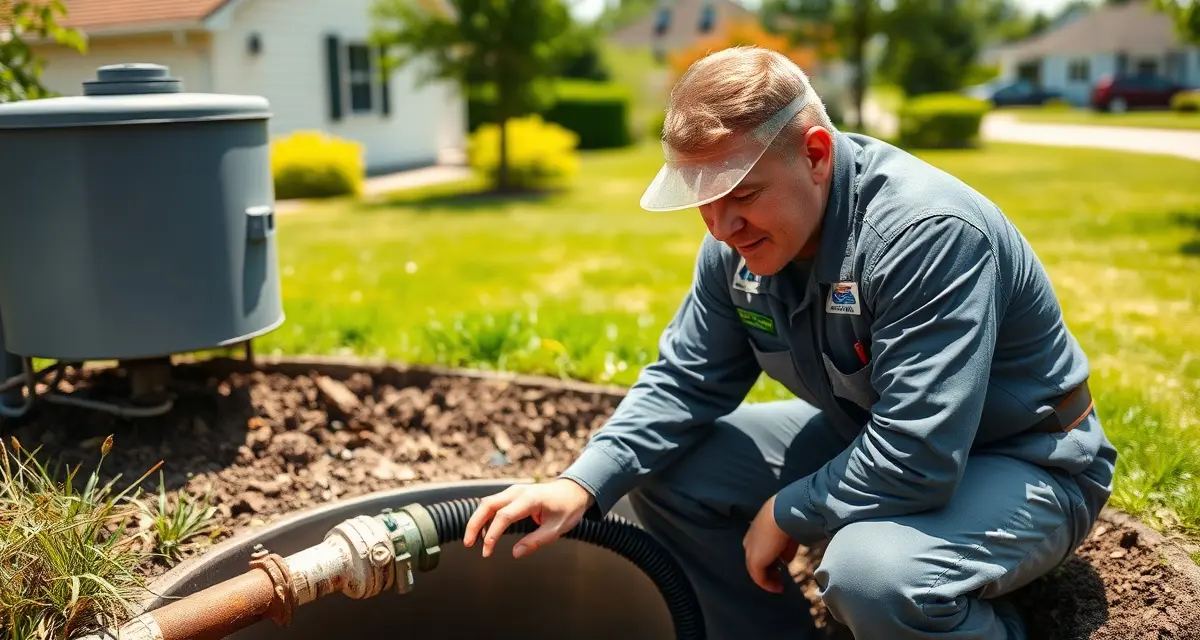
Summer Septic Service Demand: Managing Volume at Peak Capacity
By the SepticMind Editorial Team
Summer adds 30-45% more service volume for septic companies serving vacation and seasonal communities. That surge isn't just more jobs, it's faster-moving jobs with less scheduling flexibility, customers who are only available during short vacation windows, and systems that have been sitting idle all winter and need immediate attention when the family arrives.
TL;DR
- Summer septic demand is driven by vacation properties opening, high household water use from heat and outdoor activities, and outdoor event venues.
- Vacation rental properties on a 2-3 month summer occupancy cycle often need pumping at the end of each season.
- Heavy July water use from lawn irrigation, swimming pools being filled, and increased outdoor hose use all add hydraulic load to residential systems.
- Campgrounds, event venues, and seasonal food service operations generate the highest commercial summer service volume.
- Route efficiency in summer is critical: adding seasonal stops to existing routes before the season starts prevents scheduling chaos during the peak.
- Pre-summer outreach to seasonal property customers in April and May captures advance bookings before phones get busy.
Septic companies without summer capacity planning turn away an average of 22% of peak season demand. That's not just lost revenue from turned-away jobs, it's referrals that don't happen, reviews that don't get written, and customers who call someone else next summer because you couldn't fit them in this year.
Understanding Summer Demand Drivers
Summer demand isn't one thing, it's several overlapping factors that hit simultaneously:
Vacation and seasonal property openings. Properties that sit empty or lightly used during winter get opened for summer. Owners who haven't serviced their systems in 1-3 years call in spring and early summer to get their tanks pumped before the summer season. This is often the largest single driver of summer volume increase.
New construction completions. Home construction that began in spring often completes in summer, requiring final septic inspections and new owner pump-outs.
High-use system strain. Vacation properties with high summer occupancy put more load on systems than they were designed for in typical use. Systems that were fine last August can be overwhelmed by a full house running for 10 weeks straight.
Campground and seasonal business service. Campgrounds, marina facilities, seasonal restaurants, and vacation rental businesses all need intensive service during the summer season.
Real estate inspections. Real estate transactions that started in spring often close in summer, keeping inspection demand elevated through August.
Starting Summer Planning in April
The operators who navigate summer best start planning in April, not June.
SepticMind's forward scheduling tools let companies pre-book summer capacity starting in April. When a customer calls in mid-April asking about summer service, you can confirm their slot immediately, and by doing so, you're filling your summer calendar before the last-minute rush starts.
Pre-booking advantages:
- You know your summer capacity utilization before summer starts
- You can identify where you have gaps and target marketing to fill them
- Customers who book in April are locked in to your company before competitors start calling them in June
- Route optimization is easier when you have a more complete picture of the summer schedule
Marketing to vacation property owners in April. If you track which of your customers are seasonal or vacation property owners, a targeted outreach in April ("Book your summer service now before the rush") converts well. These customers are planning their summer and thinking about the property. Meeting them at that moment of planning is far more effective than competing for their attention in July.
Staffing for Summer Volume
Staffing is the binding constraint on how much summer volume you can handle. You can't serve more jobs than your crew can complete.
Seasonal hiring. Hiring seasonal technicians for June through August is the most direct capacity solution. The challenge: training time. A technician hired in June who's ready for solo service by July 15 only gives you 6 weeks of full contribution. Hire by May 1 if you want a fully trained seasonal tech for the summer peak.
Pre-qualifying part-time and flexible techs. Experienced technicians who work part-time or want summer work (retired industry workers, people looking for summer income) can flex up your capacity without a full-time hire. Identify these relationships in the spring so you have a call list when you need extra capacity in July.
Extended summer hours. Adding scheduled evening or Saturday capacity during peak summer weeks is sometimes more efficient than a new hire for a 6-8 week surge. Offer overtime pay, distribute the extra shifts across your existing crew, and generate more jobs per week with your existing trained staff.
Subcontracting Summer Overflow
When your own capacity is maxed, subcontracting to qualified operators keeps you from turning away customers entirely. This works best when:
- You have an established relationship with the subcontractor before you need them
- You have a clear agreement on quality standards and documentation
- You're transparent with customers that a subcontracting partner will serve them (or at minimum that your company is responsible for the work)
- You verify the subcontractor has appropriate licensing and insurance
The risk with subcontracting is quality inconsistency. Customers associate the service experience with your company's name. A negative service experience from a subcontractor damages your reputation, not the subcontractor's.
Subcontracting works better for routine pump-outs (where quality variance is lower) than for inspections (where documentation standards and report formatting matter).
Managing Scheduling Under Pressure
Summer scheduling pressure (every customer wants service this week, your calendar is full, and the phone keeps ringing) requires a different approach than shoulder-season scheduling:
Batch scheduling by geography. When summer volume is high, geographic batching becomes even more valuable. Every out-of-route job costs more in fuel and time. A call from a vacation property 20 miles from your current route should either slot into a future day when you're serving that area, or be assigned to a different truck covering that zone.
Honest timeline communication. When you're booking 3-4 weeks out in July, tell customers that upfront. "Our next available opening in that area is July 28. Would that work, or would you like me to put you on a cancellation list?" Customers who know what to expect are more patient than those who are surprised by the wait.
Cancellation list management. Keep an active cancellation list during peak season. When a job cancels, your dispatcher can immediately fill the slot from the list. This maximizes daily productivity without overbooking.
Priority queue for emergencies. During peak season, your priority protocol matters more. A vacation property with sewage backing up needs to get in front of a routine pump-out. Have a clear internal protocol for what qualifies as emergency priority during peak periods.
Vacation Property-Specific Service Challenges
Vacation properties create some service challenges that primary residences don't:
Access coordination. The owner may be 400 miles away and the property may be occupied by renters who don't have tank location information. Coordinate with the owner by phone/email before the service visit so there are no surprises on the day.
System condition uncertainty. A property that's been lightly used or vacant all winter and then heavily occupied all summer may surprise you with a tank that's fuller than the service interval would suggest. Always do a pre-pump level check rather than assuming tank condition based on the schedule.
Documentation for renters and property managers. For vacation rental properties with management companies, service documentation needs to go to the property management company, not just the owner. Find out the right contact at property management for documentation purposes when you set up the account.
Multiple properties in the same area. Vacation communities often have clusters of properties from the same developer or with the same management company. If you serve one well, ask for the referral to the adjacent properties.
See spring septic season prep for preparation guidance that naturally leads into summer capacity management.
Get Started with SepticMind
SepticMind is designed around the actual workflows of septic service companies, from county permit tracking to automated maintenance reminders. Whether you are managing a single truck or a multi-county fleet, the platform scales with your operation. See how it works for your business.
Frequently Asked Questions
How do I prepare for summer demand spikes in my septic service area?
Start in April, not June. Pull your prior-year summer job volume by week to establish the demand pattern, then calculate the truck-days and technician-days you'll need to serve that volume at your target completion time. If your existing crew can't handle the projected volume, initiate seasonal hiring immediately, a technician hired in April can be fully trained and productive before peak hits. Start pre-booking summer service for vacation and seasonal property accounts in April through direct outreach. Configure your scheduling system to show summer availability and manage capacity limits so customers can book online and see your actual availability. The companies that turn away summer demand are almost always the ones who waited until May or June to plan.
Should I hire seasonal staff or subcontract overflow work during summer peak?
For a company with a consistent summer surge year over year, seasonal hiring generally produces better results than subcontracting for overflow. Seasonal employees work to your standards, use your documentation systems, and represent your brand directly. The investment in training pays off over a full summer season of contribution. Subcontracting is better suited for handling truly unexpected overflow, the weeks when volume spikes beyond even your seasonal capacity. Build a subcontracting relationship with a trusted operator before you need it, but treat it as an overflow valve rather than a primary capacity strategy. The customers who experience subcontractor service associate the experience with your company's name; maintaining quality consistency means only subcontracting to operators whose work you'd be comfortable signing off on.
Does SepticMind help manage seasonal overflow scheduling?
Yes. SepticMind's scheduling tools support the capacity management needed for peak season. You can set daily and weekly job limits per truck and per technician, ensuring your online booking and dispatcher scheduling don't commit to more work than your crew can complete. The forward schedule view shows you capacity utilization weeks ahead so you can identify where you have openings and where you're approaching capacity before you hit it. For overflow and subcontracting situations, SepticMind supports job assignment to external operators with documentation that gets linked back to your account records. Cancellation list management lets dispatchers fill same-day openings from a waitlist view, maximizing truck utilization on days when cancellations free up capacity.
How should septic companies handle vacation property customers who call in July?
Vacation property customers who call at the height of summer for service that should have been scheduled in advance are a routing and scheduling challenge. The best approach is to have reached them before they called: pre-season outreach in April and May that offers advance booking converts these customers from reactive callers to scheduled stops. For those who do call in July, honest communication about current scheduling timelines is important. If the system is not in distress, adding them to the route in the normal course over the next 2-4 weeks is the right approach.
What commercial account types generate the most summer septic volume?
Campgrounds and RV parks are the highest-volume summer commercial accounts because they operate at peak capacity during the summer season and require frequent pumping, sometimes weekly for high-volume sites. Event venues (outdoor weddings, festivals, fairs) generate concentrated high-volume demand tied to specific event dates. Vacation rental properties managed by property managers are valuable because one relationship yields multiple properties. Food service at outdoor venues (concession stands, food trucks at festivals) generates grease trap service volume alongside septic pumping.
Try These Free Tools
Sources
- National Onsite Wastewater Recycling Association (NOWRA)
- US EPA Office of Wastewater Management
- NSF International
- Water Environment Federation
- National Environmental Services Center (NESC)