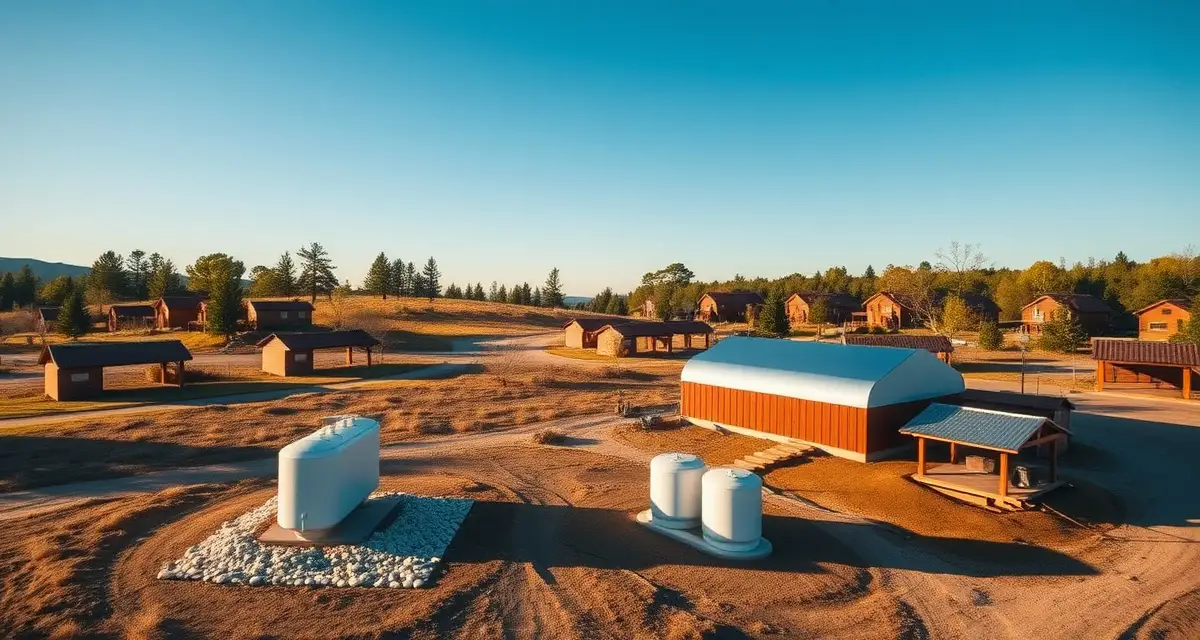
Septic Service for Summer Camps and Retreat Centers
By the SepticMind Editorial Team
A septic failure during summer camp season affects hundreds of children and triggers mandatory reporting to state health departments. The consequences go beyond an unpleasant day -- a failure can shut down a session, require emergency notification to families, and trigger regulatory action that follows the camp's operating license. Summer camps face their highest septic load during their shortest operational windows, which means the margin for error is zero when camp is in session.
TL;DR
- Summer Camps facilities have distinct wastewater loading patterns that affect septic system sizing, service frequency, and permit requirements.
- Commercial and institutional properties like summer camps typically require more frequent pumping than residential systems due to higher daily usage.
- Some summer camps operations generate waste streams (grease, chemicals, or high-volume flow) that require pre-treatment before reaching the septic system.
- Service contracts for summer camps provide predictable recurring revenue and are easier to manage with a platform that tracks commercial account schedules.
- Health department inspections for summer camps properties may require septic system condition documentation as part of facility licensing.
- Septic companies specializing in summer camps service build referral networks with property managers, architects, and health inspectors in that niche.
SepticMind's seasonal facility account type schedules pre-season service and post-season inspection automatically, so the camp enters each season with fully serviced systems and leaves each season with a documented condition record.
Why Summer Camp Septic Management Is Different
Summer camps are among the most demanding seasonal environments for septic systems. The load pattern is unlike any residential or standard commercial account:
- Zero or near-zero use for 9-10 months per year
- Sudden transition to maximum capacity use within days of opening
- High daily use per person (children and teens consume more water per capita during active outdoor programs than adults in office environments)
- Multiple separate facilities (dining halls, cabin clusters, health centers, staff housing) each with their own systems
This combination -- abrupt transition from dormancy to full load, high per-capita use, and multiple systems to manage -- makes pre-season preparation the single most important event in the camp's septic management year.
Pre-Season Service: The Non-Negotiable
Every camp should complete septic service before campers arrive. This isn't optional maintenance that can be deferred until the first sign of trouble. By the time a system shows stress during a camp session, you're managing a crisis rather than preventing one.
Pre-season service should be completed 2-4 weeks before opening day, not the week of:
Pump out all tanks. Don't assume the off-season resting period left the system in good shape. Low activity means the tank didn't get flushed through, but organic material continues breaking down and solids accumulate year-round.
Inspect all access points and risers. Winter conditions can damage access risers, shift lids, and create entry points for surface water. Check every access point before the season.
Inspect baffles and tank condition. The combination of dormancy and freeze-thaw cycles creates inspection opportunities. A baffle failure during the off-season won't be discovered until the system loads up and begins showing problems.
Assess drainfield condition. A visual inspection of drainfield areas after winter but before the ground dries out shows saturation patterns and surface conditions that inform whether the field is ready for seasonal loading.
Document the condition report. Camp operators, owners, and state licensing boards want evidence that pre-season maintenance was completed. A dated service report from SepticMind gives the camp director documentation to keep on file.
Cabin Cluster vs. Central Facility Systems
Large camps often have two distinct types of septic infrastructure:
Cabin cluster systems: Individual or small group septic systems serving sleeping cabins. These systems typically serve toilet and gray water from shower facilities within a cluster of cabins. Load depends on how many campers are assigned to the cluster.
Central facility systems: Systems serving the dining hall, health center, activity buildings, and staff areas. Dining hall systems are the highest-load systems on most camp properties because commercial kitchen wastewater has high BOD (biochemical oxygen demand) and grease content that accelerates tank filling.
These system types have different service requirements. A cabin cluster system may need annual pre-season pump-out and occasional inspection. The dining hall system may need pre-season service plus mid-season service if the camp runs multiple 2-3 week sessions.
Manage each system type separately in SepticMind with its own service schedule, tank record, and condition history. Don't let the dining hall system run on the same interval as a cabin system -- the load profile is completely different.
Session-Based Scheduling Considerations
Many camps run multiple sessions across the summer. A camp that runs four two-week sessions faces a different service calculation than a camp running one full-summer program:
For multi-session camps: Calculate cumulative use across the season. If each session runs 100 campers through a system designed for 80-person load, the system may be adequately sized for any single session but accumulate faster than single-session assumptions suggest. A mid-season pump-out between the second and third session may be warranted.
For continuous-session camps: A camp running from early June through late August needs to treat its septic systems like a standard commercial account for that period. Pre-season service, mid-season service around the 6-week mark, and post-season service is a reasonable three-service schedule for high-use central systems.
For retreat centers with varying groups: Retreat centers that host different groups throughout the year have a more predictable but variable load pattern. Track cumulative occupancy days and trigger service when the load calculation indicates the tank is approaching capacity.
Staff Housing: The Year-Round Element
Most camps have year-round or extended-season staff housing -- a caretaker residence, year-round director housing, or maintenance staff quarters. These systems don't go dormant the way cabin systems do.
Manage staff housing as a separate residential account with its own service interval. Don't bundle it into the seasonal camp schedule, because its load pattern is residential year-round rather than seasonal. Missing service on a staff housing system because it was folded into the pre-season camp schedule creates a separate maintenance failure.
Retreat Centers: Similar Principles, Different Calendar
Retreat centers that host adult groups for spiritual, professional, or therapeutic programs share the seasonal demand challenge but often with a different calendar. A retreat center that runs programs from September through June and rests in July and August has an inverse pattern from a summer camp.
The core principles remain the same:
Pre-season service before the busy period begins. For a fall-to-spring retreat center, this means service in late August or early September.
Event-driven triggers. A retreat center that typically serves 30-40 guests but hosts an annual all-hands retreat with 150 people should schedule pre-event service before that large gathering.
Post-season documentation. After the retreat season ends, a documented condition report gives the management team a baseline for any repairs or replacements needed before the next season begins.
SepticMind's seasonal facility account type accommodates both summer-dominant and fall-to-spring seasonal patterns with flexible scheduling calendars.
Documentation Camps and Retreat Centers Need
Camp operators and retreat center directors are often asked for septic maintenance documentation by:
- State licensing boards during camp license renewals
- County health departments during routine facility inspections
- Insurance carriers for liability coverage review
- Accreditation organizations that review facility condition
A complete service history in SepticMind gives the camp director access to every pump-out record, inspection report, and condition note going back as far as records have been maintained. When a state licensing inspector asks for proof of septic maintenance, you're printing a report rather than searching for paper records.
Working With Camp Operators Who Are Often Volunteers
Many summer camps are operated by nonprofit organizations with volunteer boards. The facilities director may be a volunteer with no professional background in facilities management. A few practices make these relationships work well:
Use plain language in condition reports. A camp facilities volunteer doesn't know what "baffle retention in outlet compartment" means. Condition reports for non-technical clients should describe what was found, what it means, and what needs to happen in terms anyone can follow.
Give them a pre-season checklist. Camp directors are managing hundreds of details before opening day. A simple checklist -- "schedule septic service 3 weeks before opening" -- helps them stay on top of the maintenance calendar without expertise in what the service actually involves.
Document recommendations clearly. If you find a condition that needs attention and the camp defers it, note that recommendation in the service record with specific language about what the concern is. This protects you professionally and gives the camp a clear record that the issue was identified.
Get Started with SepticMind
Summer Camps facilities need a service provider who understands the specific wastewater challenges of their operations. SepticMind makes it easy to manage commercial service contracts, track inspection schedules, and document service visits for every account in your portfolio. See how it supports commercial account management.
Frequently Asked Questions
How should a summer camp manage its septic system service schedule?
A summer camp should schedule pre-season service 2-4 weeks before opening day for all systems, not just the ones that showed problems in the prior season. Dining hall and central facility systems should be evaluated for mid-season service if the camp runs multiple sessions or a continuous program. Post-season service before the facility closes documents system condition and identifies any repairs to address during the off-season. Track each distinct system separately -- cabin cluster, dining hall, health center, and staff housing often have different service intervals based on their load patterns. SepticMind's seasonal facility account type manages these separate schedules under one camp account.
What pre-season inspection should a summer camp complete before opening?
Pre-season inspection at a summer camp should cover tank condition and fullness level, baffle integrity, all access point and riser condition, and a visual drainfield assessment. For camps with older systems, the inspection should include a tank structural assessment -- winter conditions accelerate deterioration in aging tanks. The dining hall system deserves specific attention because kitchen wastewater loads are harder on systems than standard gray water. Document the pre-season condition with photographs and a written report that the camp can retain for licensing and insurance purposes. Any recommendations from the inspection should be addressed before campers arrive, not during the session.
Does SepticMind support seasonal facility scheduling for summer camp accounts?
Yes. SepticMind's seasonal facility account type maintains separate service schedules for each system on the camp property, aligned with the camp's operational calendar rather than fixed calendar dates. Pre-season service is scheduled based on the camp's opening date, and post-season service is scheduled around closing. For multi-session camps, mid-season service triggers can be set based on cumulative occupancy load. When state licensing or health department inspections require documentation, SepticMind generates complete service history reports for any individual system or the entire camp property. Year-round staff housing accounts are managed separately with their own residential service intervals.
How often should a septic system serving a summer camps property be inspected?
Septic systems at summer camps properties should be inspected at least annually and pumped more frequently than residential systems, since commercial-scale daily water usage accelerates sludge and grease accumulation. The exact frequency depends on the specific activities at the facility, peak occupancy, any food service or chemical use on-site, and local regulatory requirements. A service provider familiar with summer camps operations can recommend an appropriate inspection and pumping schedule based on the system's actual usage profile.
What septic system issues are most common at summer camps properties?
The most common septic problems at summer camps properties are rapid sludge accumulation from high occupancy, grease trap failure if food service is involved, hydraulic overloading during peak-use periods, and non-biodegradable waste disposal from cleaning or maintenance activities. Regular inspection and a service contract with clear maintenance intervals are the most effective ways to catch these problems before they cause system failure or regulatory violations.
Try These Free Tools
Sources
- National Onsite Wastewater Recycling Association (NOWRA)
- US EPA Office of Wastewater Management
- NSF International
- Water Environment Federation
- National Environmental Services Center (NESC)