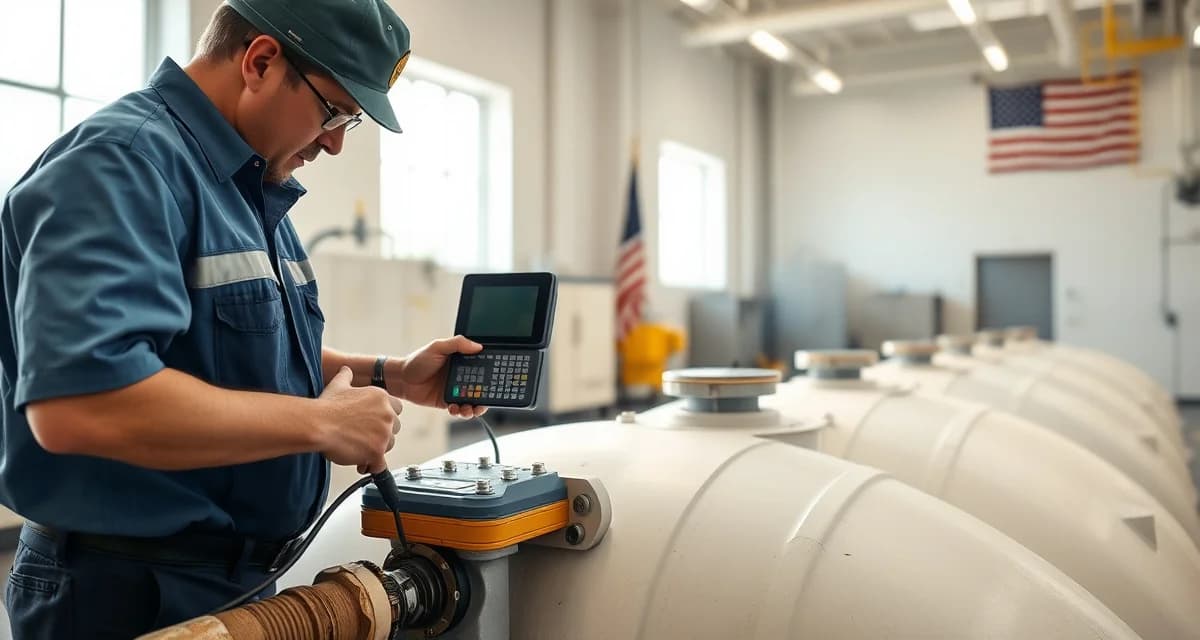
Septic Service for Veterans' Facilities and American Legion Halls
By the SepticMind Editorial Team
Veterans' facility halls host community events that create peak septic loads beyond normal daily use, and septic failures at veterans halls create community embarrassment and membership retention problems at organizations built on reliability and service. American Legion posts, VFW halls, DAV chapters, and similar veterans organization buildings face a specific operational pattern: modest daily use combined with periodic events that push the system to its limits.
TL;DR
- Veterans Facilities facilities have distinct wastewater loading patterns that affect septic system sizing, service frequency, and permit requirements.
- Commercial and institutional properties like veterans facilities typically require more frequent pumping than residential systems due to higher daily usage.
- Some veterans facilities operations generate waste streams (grease, chemicals, or high-volume flow) that require pre-treatment before reaching the septic system.
- Service contracts for veterans facilities provide predictable recurring revenue and are easier to manage with a platform that tracks commercial account schedules.
- Health department inspections for veterans facilities properties may require septic system condition documentation as part of facility licensing.
- Septic companies specializing in veterans facilities service build referral networks with property managers, architects, and health inspectors in that niche.
The Veterans' Hall Operational Pattern
American Legion posts and VFW halls don't operate like standard commercial buildings. Most have a fairly predictable weekly pattern interrupted by major events:
Daily and weekly use: Bar operations, small gatherings, post meetings, and office functions. Many posts operate a bar and grill or kitchen that serves members and guests on a regular basis. Daily occupancy may be modest, but the kitchen and bar generate ongoing wastewater that needs to be accounted for.
Regular meeting nights: Post meetings, committee meetings, and auxiliary gatherings bring a predictable bump in occupancy. These aren't peak loads, but they're consistent additions to the baseline.
Event days: Veterans' halls are community institutions, and many rent their banquet halls for weddings, anniversary parties, fundraisers, and community dinners. These events bring 100-400 guests in a single evening, creating peak loads far above the daily norm.
Annual events: Memorial Day ceremonies, Veterans Day banquets, post anniversary celebrations, and annual fundraising events are the highest-occupancy days of the year. For many posts, the annual banquet is the single largest event they host.
The challenge for septic management is that the system needs to handle the daily bar and kitchen loads reliably while also being prepared for events that multiply occupancy tenfold in a single evening.
SepticMind's veterans facility account type tracks event-driven peak scheduling and compliance requirements, so service timing reflects the actual operational calendar rather than arbitrary annual intervals.
American Legion and VFW Building Configurations
Veterans' organization facilities range from modest single-room post buildings to full-service multi-building campuses. The building configuration affects how many systems you're managing and what types of loads each carries.
Single-building posts: The most common configuration. One building houses the bar, meeting room, kitchen, and restrooms. One septic system serves all functions. The focus is on calibrating service intervals to the combined kitchen, bar, and event load.
Main hall plus outbuildings: Larger posts may have a main hall with a separate pavilion or outdoor facility for events, seasonal buildings for storage, or separate structures for different program functions. Each building with plumbing needs its own septic tracking.
Full campuses with lodging: Some American Legion posts operate lodges or cabin facilities for retreats and veteran programs. These add residential loads to the overall campus picture and may have separate systems from the event hall.
Commercial kitchen operations: Posts that operate restaurants or catering services have commercial kitchen loads requiring grease trap management separate from the main tank. Don't let grease accumulation from kitchen operations go unmanaged just because the building also functions as a post meeting hall.
Event-Driven Septic Management for Veterans' Halls
The pre-event service protocol is the most important maintenance practice for any veterans' hall that hosts banquets and community events. Here's how to structure it:
Identify your annual event calendar: Work backward from the post's annual event schedule. Which events bring 100+ guests? Which are 200+? The Memorial Day ceremony reception, Veterans Day banquet, annual fundraiser dinner, and any hall rentals for outside events all belong on this list.
Set pre-event service triggers: For events over 100 guests, schedule a visual inspection 1-2 weeks before. For events over 200 guests, schedule a pump-out 2-3 weeks before the event date. Don't wait until the week of the event to book service.
Post-event follow-up: After a major event, note whether the system showed any stress signs. Slow drains, odors, or wet areas near the drainfield are warning signs to document and address before the next event.
Kitchen grease trap: If the post operates a kitchen, grease trap service needs its own schedule. Monthly or quarterly service during active kitchen operation periods keeps grease from reaching the main tank. A grease trap backup during an event dinner is as bad as a main tank failure.
For churches with similar weekly service plus major annual event patterns, comparable pre-event scheduling approaches apply. For event venues that host events as their primary business, that guide covers the full event-calendar service framework.
Compliance Considerations for Veterans' Organization Facilities
Veterans' organization buildings are typically classified as private club or commercial facilities for septic permitting purposes. Most states require commercial or semi-public facility permits for buildings with kitchen operations and public event hosting.
Commercial kitchen permit: If the post operates a commercial kitchen, the kitchen's grease trap and associated permits are separate from the main building septic permit. Confirm the grease trap is properly permitted and that service records document compliance.
Public assembly classification: In many jurisdictions, a building used for public events and banquet rentals triggers commercial or public assembly permit requirements even if the building is privately owned by a nonprofit organization. Review your permit classification with the county health department.
Nonprofit status doesn't exempt compliance: American Legion posts, VFW halls, and DAV chapters are nonprofit veterans organizations, but nonprofit status doesn't exempt a building from septic permit and maintenance requirements. The facility classification follows the use, not the tax status of the owner.
Bar and food service: Any building with a bar serving alcohol and a kitchen serving food is typically classified as a food service establishment for health department purposes. This means the bar and kitchen operations are subject to health department inspection alongside the septic system.
Aging Infrastructure at Veterans' Facilities
Many American Legion posts and VFW halls operate in buildings constructed in the 1950s and 1960s when veterans organizations had their peak membership. These buildings may have original septic systems that are now 60-70 years old.
Older systems at veterans' halls often need more frequent service and closer monitoring than a newer system would. Signs that an aging system needs attention beyond standard service intervals include consistently slow drains, recurring odors, wet spots near the drainfield, and unusually frequent pump-out needs.
If a veterans hall's septic system was installed before current permit standards and hasn't been evaluated recently, a comprehensive inspection is the right starting point. An inspector can assess whether the system is adequately sized for current event loads and what its remaining service life looks like.
Service Intervals for Veterans' Hall Configurations
Service interval recommendations depend on occupancy patterns and kitchen operations:
Posts with bar and regular kitchen service: Annual pump-outs at minimum. Monthly or quarterly grease trap service during active kitchen periods. Pre-event service before events over 150 guests.
Posts with kitchen and active banquet program: Semi-annual main tank pump-outs, monthly grease trap service, pre-event pump-out before major events. The banquet calendar drives the timing.
Posts with minimal kitchen operations: Annual or biennial pump-outs based on actual occupancy. Pre-event inspection before major annual events.
Posts with external event hall rentals: Any facility renting to outside parties for weddings and events should treat those events like any other commercial event venue: pre-event service protocol for every event over 100 guests.
Get Started with SepticMind
Managing service contracts for veterans facilities properties is easier with a platform built for the septic trade. SepticMind tracks commercial service schedules, documents every inspection visit, and keeps your compliance records organized by property. See how it handles your commercial account portfolio.
Frequently Asked Questions
How do I create a septic service schedule for an American Legion hall with regular events?
Start by mapping your annual event calendar: list every event that brings more than 100 guests to the facility, including post meetings, banquets, memorial events, and hall rentals. Build pre-event service into the calendar for events over 150 guests, with pump-outs scheduled 2-3 weeks before major events over 200 guests. Set your baseline service interval based on daily use: if the post operates a bar and kitchen daily, treat it like a food service establishment with annual pump-outs and regular grease trap service. If occupancy is mostly weekly meetings, annual inspection with pump-out every 2-3 years may be appropriate. Document all service in organized records that show both the routine maintenance and the event-driven service history.
What pre-event service is recommended before a large banquet at a veterans hall?
Before any event expecting 200 or more guests, schedule a pump-out 2-3 weeks before the event date. Confirm grease trap service is current if your kitchen is catering the event. Do a visual drainfield inspection 48-72 hours before the event to confirm no wet areas or odors have developed. Have your service provider's emergency contact available on the event day. For events with outside caterers using the kitchen, remind the caterer that the grease trap is not rated for unlimited grease disposal. Post-event, check the system and document any stress signs so you can address them before the next event on the calendar.
Does SepticMind support event-driven pre-service scheduling for veterans hall accounts?
Yes. SepticMind's veterans facility account type links service scheduling to the event calendar. Enter your annual event dates, recurring meeting nights, and banquet hall rental calendar, and the system generates pre-event service reminders at the appropriate lead time for each event. Regular kitchen grease trap reminders are tracked separately from main tank service. Service history is organized to show both routine and event-driven service chronologically. For American Legion district or state organizations managing multiple post properties, all facilities can be tracked under a single organizational account with compliance status visible across all posts. Kitchen compliance documentation and general septic service records are both stored in audit-ready format.
How often should a septic system serving a veterans facilities property be inspected?
Septic systems at veterans facilities properties should be inspected at least annually and pumped more frequently than residential systems, since commercial-scale daily water usage accelerates sludge and grease accumulation. The exact frequency depends on the specific activities at the facility, peak occupancy, any food service or chemical use on-site, and local regulatory requirements. A service provider familiar with veterans facilities operations can recommend an appropriate inspection and pumping schedule based on the system's actual usage profile.
What septic system issues are most common at veterans facilities properties?
The most common septic problems at veterans facilities properties are rapid sludge accumulation from high occupancy, grease trap failure if food service is involved, hydraulic overloading during peak-use periods, and non-biodegradable waste disposal from cleaning or maintenance activities. Regular inspection and a service contract with clear maintenance intervals are the most effective ways to catch these problems before they cause system failure or regulatory violations.
Try These Free Tools
Sources
- National Onsite Wastewater Recycling Association (NOWRA)
- US EPA Office of Wastewater Management
- NSF International
- Water Environment Federation
- National Environmental Services Center (NESC)