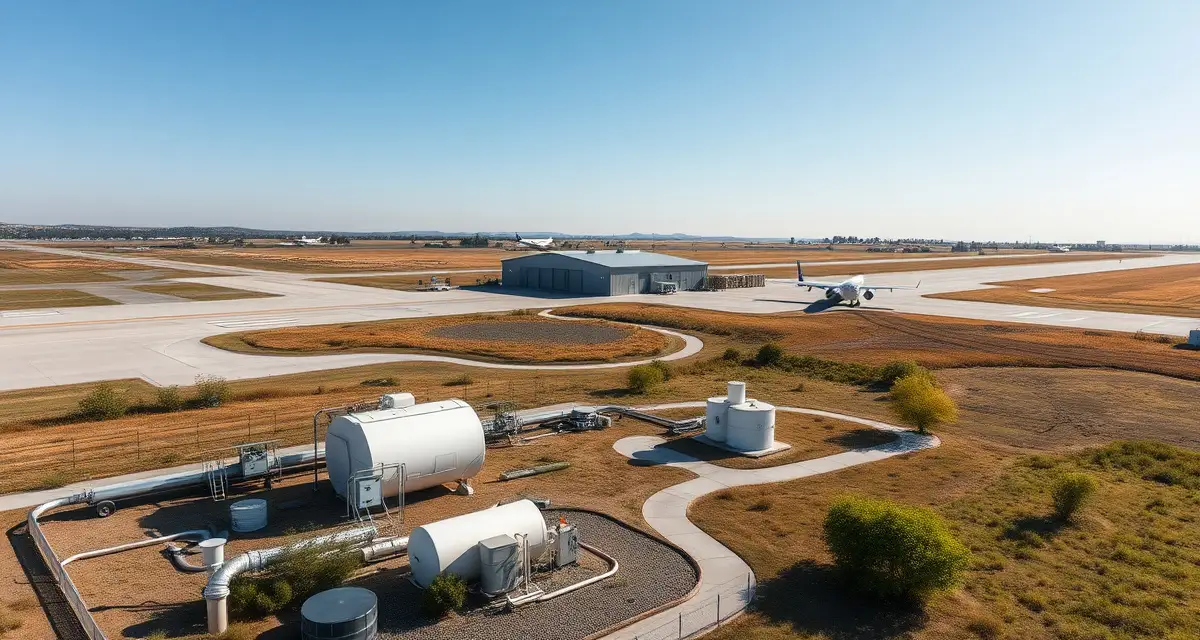
Septic Service for Small Airports and Aviation Facilities
By the SepticMind Editorial Team
FAA airport certification requirements include functioning sanitation for passenger-serving facilities. Small regional airports and general aviation airports may be located in areas without municipal sewer access, making onsite septic systems part of the airport's operational infrastructure. Getting septic management wrong at an airport isn't just a maintenance problem. It's a certification compliance problem.
TL;DR
- Airport Facilities facilities have distinct wastewater loading patterns that affect septic system sizing, service frequency, and permit requirements.
- Commercial and institutional properties like airport facilities typically require more frequent pumping than residential systems due to higher daily usage.
- Some airport facilities operations generate waste streams (grease, chemicals, or high-volume flow) that require pre-treatment before reaching the septic system.
- Service contracts for airport facilities provide predictable recurring revenue and are easier to manage with a platform that tracks commercial account schedules.
- Health department inspections for airport facilities properties may require septic system condition documentation as part of facility licensing.
- Septic companies specializing in airport facilities service build referral networks with property managers, architects, and health inspectors in that niche.
Small airport terminal buildings and FBO facilities need reliable septic service for continuous operations, and the combination of FAA oversight, county health department rules, and the operational demand of a public-use facility creates a compliance environment with less margin for neglect than most commercial properties.
FAA Certification and Sanitation Requirements
FAA airport certification under 14 CFR Part 139 covers airports that serve scheduled air carrier operations. Part 139 certification requires airports to maintain certain facilities and services, including sanitation. An airport that allows its terminal sanitation facilities to fall out of compliance can face Part 139 certification issues.
For general aviation airports that aren't subject to Part 139, FAA doesn't directly regulate sanitation facilities, but state aviation authorities and county health departments still apply commercial facility standards. And any airport that aspiresto Part 139 certification must meet the sanitation requirements as part of the certification process.
Beyond FAA, airports are regulated as commercial facilities by county health departments. The terminal building, FBO lounge, and any food service areas are all subject to standard commercial septic rules.
SepticMind's aviation facility account type tracks FAA-adjacent compliance requirements alongside state septic rules. The dual compliance framework is documented together rather than split between separate systems.
Aviation Facility Wastewater Profile
Small airport septic management involves several distinct facility types:
Terminal buildings: Passenger lounges, ticketing areas, and public restrooms serve passengers with varying daily counts depending on flight schedules. A small regional airport might see 50-200 passengers per day, with peaks around departure times.
FBO facilities: Fixed-base operators provide fuel, maintenance, and pilot services. FBO lounges, crew facilities, and office areas generate daily wastewater from staff and transient pilots. Many FBOs include snack areas or small kitchens.
Maintenance hangars: Aircraft maintenance facilities have worker restrooms and may have floor drains. Aviation maintenance uses chemicals (hydraulic fluid, fuel, solvents) that cannot enter standard septic systems without pretreatment.
Fueling areas: Fuel farms and fueling stations create petroleum contamination risk for adjacent septic systems. Oil-water separators or containment systems are required before any fuel area drainage reaches a septic system.
Petroleum and Aviation Chemical Concerns
Aviation fuel and maintenance chemicals create the same pretreatment requirement as auto repair facilities. Jet fuel, aviation gasoline (avgas), hydraulic fluids, and maintenance solvents cannot enter conventional onsite septic systems directly.
For airports with on-site fuel storage and fueling operations:
- Fuel storage areas need secondary containment and stormwater management
- Floor drains in maintenance areas need oil-water separators before reaching septic
- Spill response procedures must prevent fuel contamination from reaching the septic system
The EPA's SPCC (Spill Prevention, Control, and Countermeasure) regulations apply to facilities with fuel storage above certain thresholds. Many general aviation airports meet the SPCC threshold.
Service Intervals for Airport Facilities
Service intervals should be set separately for each major wastewater-generating facility:
Terminal building: Based on daily passenger count and operating hours. Annually for most small regional airports, with more frequent service for higher-traffic facilities.
FBO lounge and crew facilities: Based on daily FBO traffic and any food service. Annual inspections with pump-outs every 2-3 years for typical FBO facilities.
Maintenance hangars: Annual service for facilities with regular aircraft maintenance. Confirm oil-water separators are serviced separately on their own more frequent schedule.
For service agreements at airport facilities, guaranteed response time is important for a facility where continuous public access is expected.
For industrial property approaches to chemical pretreatment, the auto repair and auto dealership guides cover parallel pretreatment frameworks.
Get Started with SepticMind
Managing service contracts for airport facilities properties is easier with a platform built for the septic trade. SepticMind tracks commercial service schedules, documents every inspection visit, and keeps your compliance records organized by property. See how it handles your commercial account portfolio.
Frequently Asked Questions
What compliance requirements apply to septic systems at small regional airports?
Small regional airports face compliance from FAA (for Part 139 certified airports), county health departments (commercial facility rules), and state environmental agencies. FAA Part 139 certification requires functioning sanitation at all passenger-serving facilities. County health departments apply commercial septic standards to terminal buildings and FBO facilities. Aviation maintenance areas need pretreatment for aviation chemicals before any floor drainage reaches the septic system. State environmental programs may apply to fuel storage areas with SPCC requirements. The multi-agency compliance picture requires documentation showing all applicable requirements are met for each facility type on the airport property.
How often should a small airport's terminal building service its onsite septic?
A small regional airport terminal building serving 50-200 daily passengers should plan for annual inspections and pump-outs every 2-3 years for properly sized systems. Higher-traffic airports with daily passenger counts above 500 should move toward annual pump-outs. The terminal building's service interval is driven by passenger count during operating hours, which tends to be concentrated around flight departure and arrival windows rather than spread evenly across the day. Pre-season service before summer peak travel months is advisable for airports in tourist destination areas. FBO facilities track on their own schedule based on crew and maintenance traffic.
Does SepticMind support FAA certification compliance documentation for airport accounts?
Yes. SepticMind's aviation facility account type captures FAA certification status and associated compliance requirements alongside county septic compliance documentation. Multiple facility types at the airport, terminal, FBO, hangar, and maintenance areas, each have their own service records under the same airport account. Petroleum pretreatment equipment at maintenance and fueling areas tracks separately with appropriate service intervals. Service history is stored in a format suitable for FAA compliance reviews and county health department inspections. For airport management companies overseeing multiple regional airports, all facilities can be tracked under a single organizational account.
How often should a septic system serving a airport facilities property be inspected?
Septic systems at airport facilities properties should be inspected at least annually and pumped more frequently than residential systems, since commercial-scale daily water usage accelerates sludge and grease accumulation. The exact frequency depends on the specific activities at the facility, peak occupancy, any food service or chemical use on-site, and local regulatory requirements. A service provider familiar with airport facilities operations can recommend an appropriate inspection and pumping schedule based on the system's actual usage profile.
What septic system issues are most common at airport facilities properties?
The most common septic problems at airport facilities properties are rapid sludge accumulation from high occupancy, grease trap failure if food service is involved, hydraulic overloading during peak-use periods, and non-biodegradable waste disposal from cleaning or maintenance activities. Regular inspection and a service contract with clear maintenance intervals are the most effective ways to catch these problems before they cause system failure or regulatory violations.
Try These Free Tools
Sources
- National Onsite Wastewater Recycling Association (NOWRA)
- US EPA Office of Wastewater Management
- NSF International
- Water Environment Federation
- National Environmental Services Center (NESC)