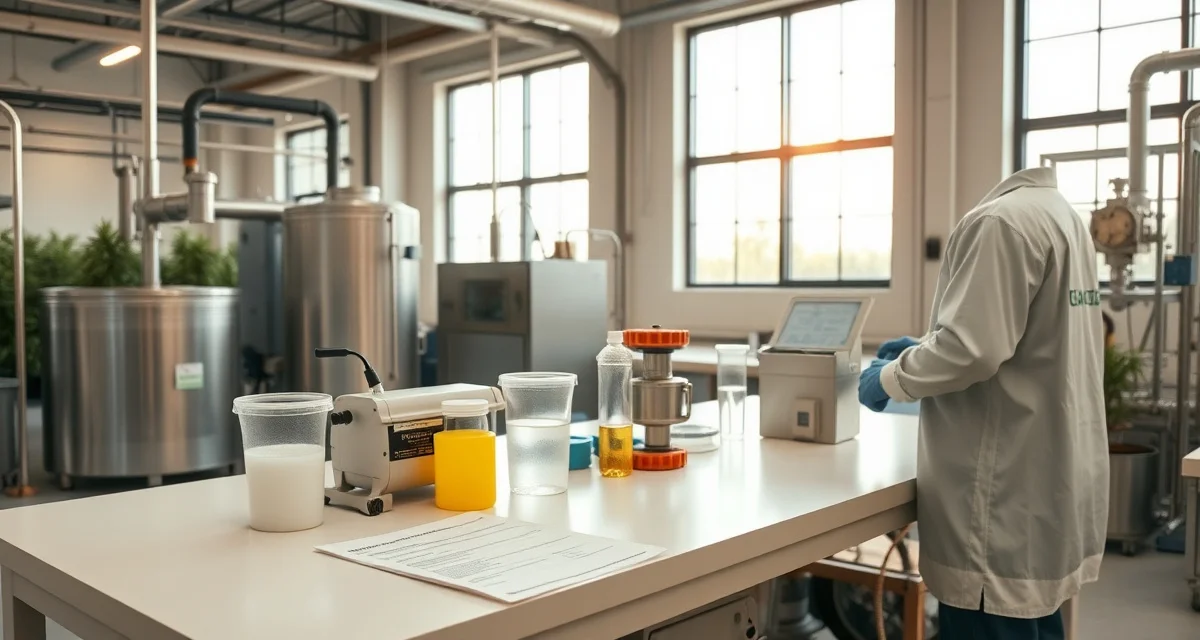
Septic Service for Cannabis Cultivation and Processing Facilities
By the SepticMind Editorial Team
Cannabis cultivation facilities operate in a regulatory environment where environmental compliance is receiving increasing scrutiny. Cannabis cultivation facility wastewater contains pesticide residues and high organic loads affecting septic systems, and state cannabis regulatory agencies are increasingly requiring environmental compliance including wastewater management as part of licensing and renewal requirements.
TL;DR
- Cannabis Facilities facilities have distinct wastewater loading patterns that affect septic system sizing, service frequency, and permit requirements.
- Commercial and institutional properties like cannabis facilities typically require more frequent pumping than residential systems due to higher daily usage.
- Some cannabis facilities operations generate waste streams (grease, chemicals, or high-volume flow) that require pre-treatment before reaching the septic system.
- Service contracts for cannabis facilities provide predictable recurring revenue and are easier to manage with a platform that tracks commercial account schedules.
- Health department inspections for cannabis facilities properties may require septic system condition documentation as part of facility licensing.
- Septic companies specializing in cannabis facilities service build referral networks with property managers, architects, and health inspectors in that niche.
The wastewater picture at a cannabis facility is more complex than most operators anticipate when they're setting up for their first grow. Irrigation runoff, processing wastewater, and nutrient-dense rinse water all have characteristics that don't behave the same way as standard commercial gray water in an onsite septic system.
Types of Cannabis Facility Wastewater
Cannabis cultivation and processing facilities generate several distinct wastewater streams:
Irrigation runoff: Controlled environment agriculture uses significant water, and excess irrigation runoff carries dissolved fertilizers, pesticides, and plant nutrients into the drain system. High-nutrient runoff, particularly nitrate-heavy water, can overload septic drainfields and cause groundwater quality concerns.
Post-harvest processing wastewater: Trimming, washing, and extraction processes generate water with high organic content, plant matter, and potentially solvent residues depending on extraction method.
Cleaning and sanitation water: Commercial facilities require regular cleaning and sanitation, generating wastewater with cleaning chemical residues. Some sanitizers are bactericidal and can disrupt septic tank bacterial populations.
Employee facilities: Standard restroom and break room gray water from facility staff is the least problematic component, but it still needs to route through a properly functioning system.
Extraction process wastewater: For facilities doing solvent-based extraction (ethanol, CO2), the cleaning and rinse water from extraction equipment requires careful handling. Some solvents require special disposal and cannot go into a conventional septic system.
Pesticide Residues and Septic Compliance
The pesticide dimension of cannabis facility wastewater is where compliance gets most complex. Pesticide residues in irrigation runoff that enter a septic system can create regulatory problems at multiple levels:
- EPA Clean Water Act protections against pesticide discharge to waterways
- State environmental regulations on pesticide disposal
- State cannabis licensing conditions that may include environmental compliance requirements
State cannabis regulatory agencies have added wastewater management provisions to licensing requirements in several markets. California, Oregon, Colorado, and Michigan have all incorporated environmental compliance elements into cannabis licensing frameworks. The trend is toward more environmental oversight, not less.
SepticMind's cannabis facility account type documents cultivation chemical load considerations in service scheduling. The account captures the pesticide program, irrigation volume, and processing activities at the facility, which informs both the service interval and the documentation record for regulatory purposes.
System Sizing and Drainfield Concerns
High-nutrient irrigation runoff entering a conventional drainfield creates long-term soil chemistry problems. Elevated nitrates from cannabis cultivation irrigation can mobilize in the soil and reach groundwater, which is exactly what state environmental agencies are watching for.
Options for managing this:
Dedicated irrigation drainage management: Separate irrigation runoff from employee gray water at the source. Route irrigation runoff to an approved agricultural waste management system rather than to the employee septic system.
Engineered treatment: Some facilities install aerobic treatment units or constructed wetlands to treat high-nutrient water before discharge or irrigation reuse.
Water recycling: Closed-loop irrigation systems that capture and reuse runoff eliminate the wastewater management problem entirely for the irrigation component.
For alternative septic system management approaches at cannabis facilities, engineered systems are often more appropriate than conventional gravity septic given the water quality concerns.
State Licensing Compliance
Before assuming your septic system setup meets your state's cannabis licensing requirements, verify with the specific licensing agency. States with legal cannabis programs have different environmental compliance provisions:
- California's Water Boards have specific cannabis cultivation requirements
- Oregon's DEQ has wastewater management requirements for cannabis operations
- Many states require disclosure of water sources and wastewater management in the licensing application
For state onsite wastewater regulations, the standard framework applies to the employee facilities portion of your wastewater. The cannabis-specific cultivation wastewater may be governed by agricultural or environmental rules beyond the standard septic framework.
Get Started with SepticMind
Managing service contracts for cannabis facilities properties is easier with a platform built for the septic trade. SepticMind tracks commercial service schedules, documents every inspection visit, and keeps your compliance records organized by property. See how it handles your commercial account portfolio.
Frequently Asked Questions
What wastewater compliance requirements apply to cannabis cultivation facilities?
Cannabis cultivation facilities face wastewater compliance from multiple directions. The employee sanitation facilities must meet standard county onsite wastewater rules for the facility's occupancy level. Irrigation runoff and processing wastewater may be subject to state agricultural wastewater rules, EPA Clean Water Act requirements if water reaches navigable waters, and state cannabis licensing environmental compliance conditions. In licensed cannabis states, the cannabis regulatory agency may have specific wastewater management requirements as part of the licensing application or annual renewal. Verify with both your county health department and your state cannabis licensing agency what specific requirements apply to your operation.
How do cannabis facility chemical loads affect onsite septic service intervals?
Cannabis facilities that route high-nutrient irrigation runoff, pesticide-laden water, or cleaning chemical waste through their onsite septic system will experience faster tank filling and potential drainfield soil chemistry problems. Pesticide residues can also disrupt septic bacterial populations, reducing the system's ability to process organic waste effectively. Facilities that combine employee gray water with cultivation runoff in a single system should expect more frequent pump-outs than a comparable-sized commercial office. Ideally, irrigation runoff and processing wastewater should be managed separately from employee sanitation systems. Have a licensed engineer assess whether your current system design is appropriate for your actual wastewater streams.
Does SepticMind track cannabis facility compliance requirements for regulated state markets?
Yes. SepticMind's cannabis facility account type captures the regulatory environment for your specific state market and documents cultivation chemical loads, irrigation volumes, and processing activities alongside standard septic maintenance records. State cannabis licensing compliance notes can be tracked in the account alongside county septic compliance requirements. Service intervals are set based on actual facility loads rather than generic commercial defaults. For multi-site cannabis operators, all cultivation and processing facilities can be tracked under a single organizational account, with each location's compliance status visible to the operations or compliance team.
How often should a septic system serving a cannabis facilities property be inspected?
Septic systems at cannabis facilities properties should be inspected at least annually and pumped more frequently than residential systems, since commercial-scale daily water usage accelerates sludge and grease accumulation. The exact frequency depends on the specific activities at the facility, peak occupancy, any food service or chemical use on-site, and local regulatory requirements. A service provider familiar with cannabis facilities operations can recommend an appropriate inspection and pumping schedule based on the system's actual usage profile.
What septic system issues are most common at cannabis facilities properties?
The most common septic problems at cannabis facilities properties are rapid sludge accumulation from high occupancy, grease trap failure if food service is involved, hydraulic overloading during peak-use periods, and non-biodegradable waste disposal from cleaning or maintenance activities. Regular inspection and a service contract with clear maintenance intervals are the most effective ways to catch these problems before they cause system failure or regulatory violations.
Try These Free Tools
Sources
- National Onsite Wastewater Recycling Association (NOWRA)
- US EPA Office of Wastewater Management
- NSF International
- Water Environment Federation
- National Environmental Services Center (NESC)