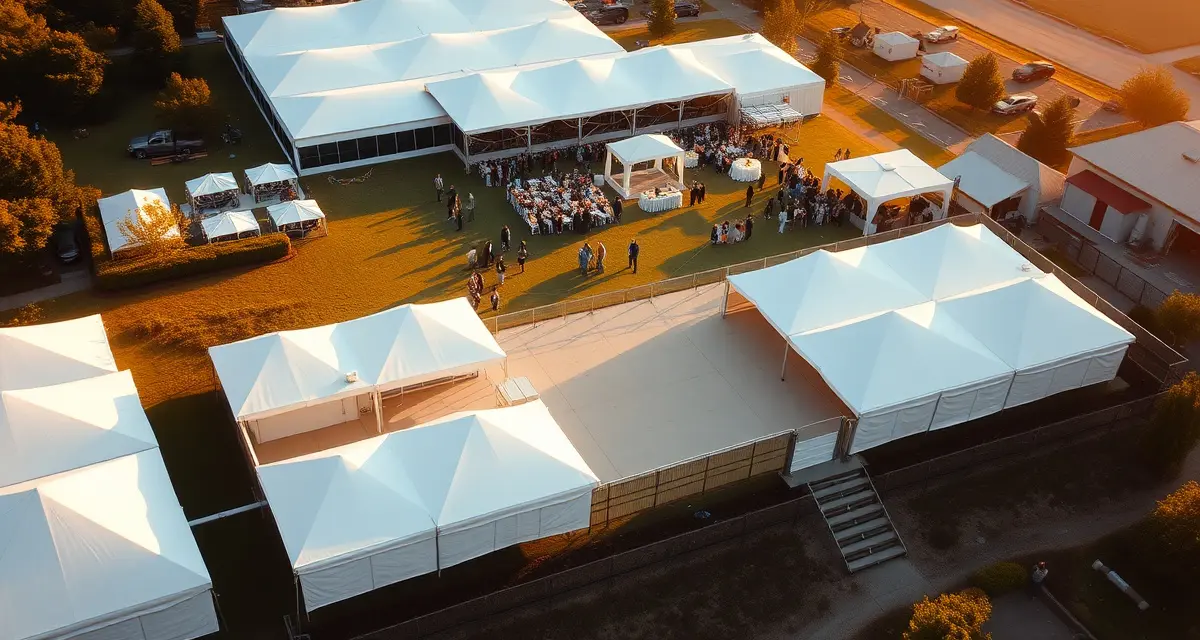
Septic Service for Event Venues and Wedding Facilities
By the SepticMind Editorial Team
A septic failure during a 200-person wedding event creates an average $18,000 in liability and rescheduling costs. Event venues that fill their septic tanks during events create emergency situations affecting hundreds of guests -- and the reputational damage from a septic failure at a wedding can follow a venue for years in an industry where word-of-mouth and online reviews drive nearly all bookings.
TL;DR
- Event Venues facilities have distinct wastewater loading patterns that affect septic system sizing, service frequency, and permit requirements.
- Commercial and institutional properties like event venues typically require more frequent pumping than residential systems due to higher daily usage.
- Some event venues operations generate waste streams (grease, chemicals, or high-volume flow) that require pre-treatment before reaching the septic system.
- Service contracts for event venues provide predictable recurring revenue and are easier to manage with a platform that tracks commercial account schedules.
- Health department inspections for event venues properties may require septic system condition documentation as part of facility licensing.
- Septic companies specializing in event venues service build referral networks with property managers, architects, and health inspectors in that niche.
SepticMind's event venue account type schedules pre-event service and post-event inspection automatically.
The Event Venue Septic Challenge
The fundamental challenge for event venues is the mismatch between their intermittent high-load use pattern and how conventional septic systems are sized and managed.
A rural wedding venue might host 12-15 events per year, each with 100-250 guests. Between events, the venue may have minimal use -- occasional site visits, rehearsals, or vendor meetings. The septic system sits relatively unused between events, then receives the equivalent of weeks of normal use compressed into a single Saturday.
A 200-guest wedding reception generates:
- Restroom use from 200 guests over 5-6 hours of event time
- Kitchen preparation and cleanup wastewater if food is catered onsite
- Dishwasher or warewashing wastewater from catering operations
- Bar sink and beverage station drainage
All of this hits the septic system in a single day. If the system entered the event weekend with significant carryover from a previous event (or from insufficient service between events), the cumulative load can exceed the system's capacity -- resulting in backups, surfacing, or overflow during the event itself.
Pre-Event Service Protocols
The solution is a proactive pre-event service program that coordinates with the venue's booking calendar. SepticMind's event venue account type integrates with the event calendar so service reminders trigger automatically before each scheduled event.
The standard pre-event service protocol:
Service timing: 3-7 days before each major event (allowing time for any emergency follow-up if needed, but close enough that the system doesn't receive significant load between service and the event).
Service content: Full pump-out, inlet and outlet baffle inspection, confirmation that the system is at full capacity to handle the event load.
Documentation: Service report generated and stored in the account record, with the event date noted.
Emergency contact confirmation: Verify the venue's emergency contact is current and that they have your 24/7 emergency number.
For venues with multiple scheduled events, a calendar review at the start of each season helps identify the service schedule for the entire upcoming event season before it begins.
Post-Event Inspections
Pre-event service is the primary prevention tool. Post-event inspection helps identify whether an event stressed the system and whether the next event can proceed safely.
For venues with closely scheduled events (two weddings in one weekend, or back-to-back weekends during peak season), a post-Saturday inspection before Sunday's event becomes critical.
What a post-event inspection checks:
- Current tank level relative to expected level given the event
- Any signs of drainfield stress (surface moisture, odors) after the load
- System condition for the next event
If an event significantly filled the tank, service before the next event is needed regardless of the standard pre-event interval.
Sizing Assessment for Event Venues
Many event venues operate on systems that weren't designed for their current event capacity. A property that hosted intimate private events of 50 guests when the system was installed might now host 250-guest weddings after expansion.
When establishing a service program for an event venue, understand:
- What is the system's permitted capacity (gallons per day)?
- What is the permitted maximum occupancy for events?
- Does the actual event attendance ever exceed the system's designed daily flow?
An event venue that hosts events exceeding its system's design flow needs either:
- More frequent service to prevent cumulative loading issues
- Supplemental capacity (temporary holding tanks for overflow during large events)
- System upgrade to match the permitted event capacity
Documenting your assessment of capacity adequacy in the account record protects you if a system failure occurs at an event you've been servicing.
Supplemental Solutions for High-Capacity Events
For events that push or exceed the permanent system's capacity, supplemental solutions work in combination with the primary system:
Portable restroom units: Bringing in portable toilets for large events significantly reduces the load on the permanent system. This is a common and practical solution for one-off extra-large events.
Temporary holding tanks: Renting temporary septic holding tanks that receive overflow and are pumped after the event. Requires planning and additional infrastructure.
Potable water trucks: For events in remote locations without adequate water supply, water trucks address the supply side; holding tanks address the disposal side.
For the septic service for restaurants comparison, restaurant septic has consistent daily loads that are easier to schedule around than event venue variable loads. The septic service agreement management page covers how to structure event venue service contracts that reflect the calendar-based service model.
Pricing Event Venue Accounts
Event venue septic service should be priced to reflect:
- Per-event pre-service at a defined rate
- Emergency response availability during events at a clear rate
- Post-event inspection as an optional add-on or included in seasonal contracts
- Annual base service that covers the system maintenance between events
Season-based contracts work well for event venues: a base annual rate covering a defined number of pre-event services, with additional services invoiced separately for events beyond the contracted number.
Get Started with SepticMind
Managing service contracts for event venues properties is easier with a platform built for the septic trade. SepticMind tracks commercial service schedules, documents every inspection visit, and keeps your compliance records organized by property. See how it handles your commercial account portfolio.
Frequently Asked Questions
How do I create a pre-event septic service protocol for a wedding venue?
Start by getting the venue's event calendar at the beginning of each season. Map out the service schedule so a pump-out is completed 3-7 days before each major event. Build the schedule into SepticMind's event venue account so service reminders trigger automatically without manual tracking. Confirm with the venue owner that any post-event inspections needed (for back-to-back event weekends) are also in the service agreement. At the pre-event service visit, record the tank level, confirm baffle condition, and note system capacity for the event. Document everything -- if a failure occurs, you need records showing the system was properly serviced.
How often should an event venue septic system be serviced between events?
Between events, a minimum annual pump-out is appropriate for the base maintenance of the system. But the more important service is the pre-event service before each significant booking (100+ guests). For a venue hosting 12 events per year, that's potentially 12 pre-event service calls plus a base annual maintenance service. The total service frequency for an active event venue may be monthly or more during peak season. Service should be scheduled based on the event calendar, not on a fixed interval, because the load pattern is event-driven rather than continuous.
Does SepticMind support event-driven septic scheduling for venue accounts?
Yes. SepticMind's event venue account type allows you to log event dates and expected attendance directly in the account record. Pre-event service reminders trigger automatically a defined interval before each logged event. Post-event inspection reminders can also be set for venues with closely scheduled events. The service history shows which events drove service calls, making it easy to plan the following season's schedule based on last year's pattern. Emergency contact information is stored at the account level so any technician dispatched to the property during a live event knows who to reach.
How often should a septic system serving a event venues property be inspected?
Septic systems at event venues properties should be inspected at least annually and pumped more frequently than residential systems, since commercial-scale daily water usage accelerates sludge and grease accumulation. The exact frequency depends on the specific activities at the facility, peak occupancy, any food service or chemical use on-site, and local regulatory requirements. A service provider familiar with event venues operations can recommend an appropriate inspection and pumping schedule based on the system's actual usage profile.
What septic system issues are most common at event venues properties?
The most common septic problems at event venues properties are rapid sludge accumulation from high occupancy, grease trap failure if food service is involved, hydraulic overloading during peak-use periods, and non-biodegradable waste disposal from cleaning or maintenance activities. Regular inspection and a service contract with clear maintenance intervals are the most effective ways to catch these problems before they cause system failure or regulatory violations.
Try These Free Tools
Sources
- National Onsite Wastewater Recycling Association (NOWRA)
- US EPA Office of Wastewater Management
- NSF International
- Water Environment Federation
- National Environmental Services Center (NESC)