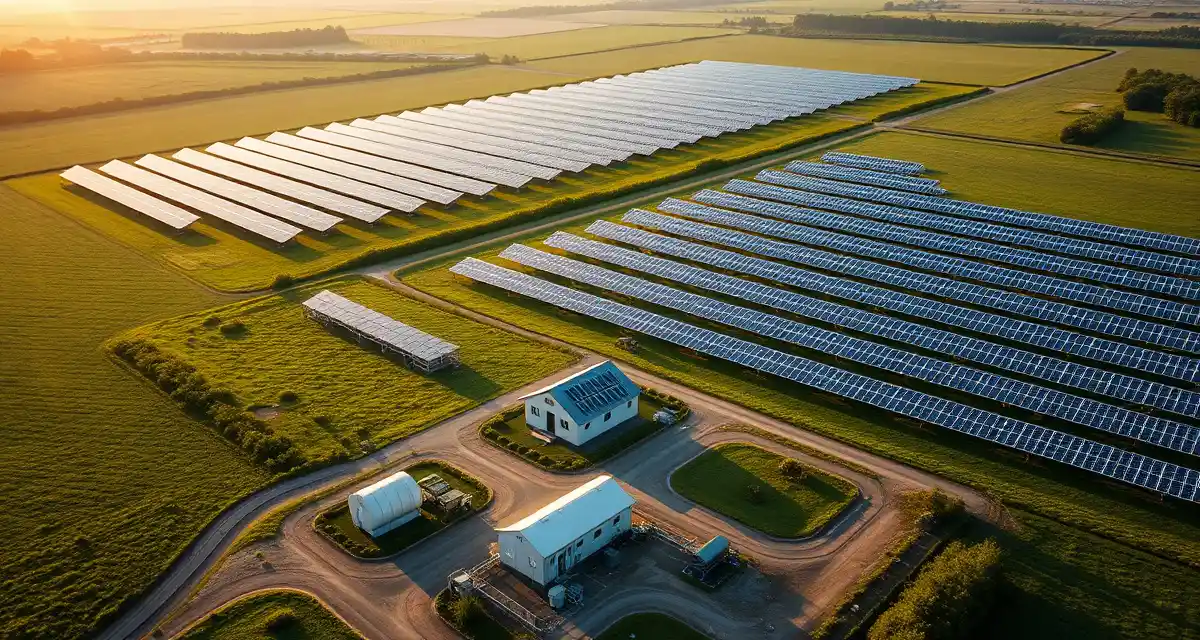
Septic Service for Solar Farm Operations and Agricultural Technology Facilities
By the SepticMind Editorial Team
Solar farm maintenance facilities in remote locations often require engineered onsite wastewater systems. Utility-scale solar farms employ hundreds of maintenance workers requiring code-compliant restroom facilities, and getting the wastewater infrastructure right is part of the facility permitting and ongoing operational compliance package.
TL;DR
- Solar Farms facilities have distinct wastewater loading patterns that affect septic system sizing, service frequency, and permit requirements.
- Commercial and institutional properties like solar farms typically require more frequent pumping than residential systems due to higher daily usage.
- Some solar farms operations generate waste streams (grease, chemicals, or high-volume flow) that require pre-treatment before reaching the septic system.
- Service contracts for solar farms provide predictable recurring revenue and are easier to manage with a platform that tracks commercial account schedules.
- Health department inspections for solar farms properties may require septic system condition documentation as part of facility licensing.
- Septic companies specializing in solar farms service build referral networks with property managers, architects, and health inspectors in that niche.
The septic consideration at solar farms is sometimes overlooked in the larger project planning process. Developers focus on panel configuration, grid interconnection, and land use permits. The sanitation infrastructure for the operations and maintenance (O&M) facility and any permanent worker facilities gets less attention than it deserves until permit review or a county inspection flags it.
Who Uses the Restrooms at a Solar Farm?
Understanding the wastewater load starts with knowing who is on-site and when:
O&M staff: Utility-scale solar farms with 50+ MW of capacity often have permanent on-site O&M staff, typically 5-20 employees depending on project size. These workers need functioning restroom and break room facilities on a daily basis.
Construction crews: During installation phases, hundreds of workers may be on-site. These workers need temporary sanitation facilities (typically portable units) during construction, and the transition to permanent septic infrastructure happens as the project moves toward operations.
Maintenance contractors: Solar farms bring in specialized contractors for panel washing, inverter maintenance, transformer work, and vegetation management. These periodic large crews create surge loads on the permanent sanitation infrastructure.
Security personnel: 24/7 security staff at larger facilities have continuous facility needs.
The combination of permanent O&M staff, periodic contractor surges, and 24/7 security creates a load profile that's more complex than a simple headcount suggests.
Remote Location Septic Challenges
The most common challenge for solar farm septic systems is remote location. Utility-scale solar projects are typically built on agricultural or rural land far from municipal sewer infrastructure. This means:
Engineered systems: Standard gravity septic may not be feasible if soils are poor or the site is in a sensitive watershed. Engineered alternatives like mound systems, aerobic treatment units, or constructed wetlands may be required.
Service access: Getting a pump truck to a remote solar facility may require driving several miles on unpaved access roads. Service providers need advance notice of access conditions, and the site's O&M team needs to have access procedures clear for scheduled service visits.
Long service intervals: Remote location doesn't justify less frequent service. It means planning further ahead and ensuring access is available when service is needed.
SepticMind's solar facility account type documents remote location access notes and system specifications. Every service visit includes notes on the access conditions so the next provider doesn't show up unprepared.
Permitting Solar Farm Sanitation
Solar project developers typically need to address sanitation infrastructure as part of the special use permit or conditional use permit (CUP) process for the project. The county planning department or relevant authority may require:
- Proof of adequate sanitation for all permanent employees
- System design approved by the county health department
- Long-term maintenance plan for the onsite system
OSHA's sanitation standards require that employers provide toilet facilities for employees. For solar farm workers in remote locations, this means either portable units for temporary use or a permanent onsite system for operations phase. The transition from construction portable units to permanent O&M septic is a permitting milestone some developers miss.
Alternative System Types for Solar Farm Locations
Many solar farm locations have soils that don't support conventional gravity septic drainfields. Agricultural land in particular may have clay soils, high water tables, or proximity to drainage features that require engineered alternatives.
The alternative septic system management software guide covers aerobic treatment units, mound systems, and other engineered alternatives in detail. For solar farms, the relevant factor is that alternative systems may require more frequent inspection and maintenance than conventional systems, which needs to be factored into the long-term O&M budget.
For solar farms on properties that are also agricultural operations, the septic service for industrial properties guide addresses some parallel concerns around industrial facility wastewater management.
Get Started with SepticMind
Managing service contracts for solar farms properties is easier with a platform built for the septic trade. SepticMind tracks commercial service schedules, documents every inspection visit, and keeps your compliance records organized by property. See how it handles your commercial account portfolio.
Frequently Asked Questions
What septic requirements apply to solar farm maintenance and operations facilities?
Solar farm O&M facilities are subject to the same county health department requirements that apply to any commercial or industrial facility in the jurisdiction. This means proper onsite wastewater permits for the system serving the O&M building, regular maintenance and pump-out schedules, and documentation of service history. OSHA requires adequate toilet facilities for all workers, which means the permanent facilities must be functional and maintained. If the O&M facility is in a sensitive watershed or has poor soil conditions, the county may require an engineered system rather than conventional gravity septic. Check with the county health department and planning department early in project development to confirm what's required.
What system type is typical for a remote solar farm maintenance facility?
The system type depends on site-specific soil and water table conditions. In areas with adequate soil percolation and appropriate setbacks from water features, conventional gravity septic is used. Sites with clay soils, high water tables, or environmental sensitivity often require engineered alternatives: mound systems, aerobic treatment units, or other advanced treatment approaches. The system must be designed by a licensed engineer and permitted by the county health department. For remote sites where service access is challenging, a system with pump-alarm monitoring and remote diagnostic capability can alert the O&M team to system issues before they become failures.
Does SepticMind support remote location septic documentation for solar facility accounts?
Yes. SepticMind's solar facility account type captures remote location access details, system type and specifications, and service history for each O&M facility. Access notes document road conditions, gate codes, and any special requirements for service vehicles so every service visit is prepared. System specifications note the type of system installed, which matters when the next service provider needs to know what they're working with. Automated service reminders account for the longer lead time needed to schedule service at remote locations. For solar project portfolios with multiple facilities across a region, all sites can be tracked under a single developer or operator account.
How often should a septic system serving a solar farms property be inspected?
Septic systems at solar farms properties should be inspected at least annually and pumped more frequently than residential systems, since commercial-scale daily water usage accelerates sludge and grease accumulation. The exact frequency depends on the specific activities at the facility, peak occupancy, any food service or chemical use on-site, and local regulatory requirements. A service provider familiar with solar farms operations can recommend an appropriate inspection and pumping schedule based on the system's actual usage profile.
What septic system issues are most common at solar farms properties?
The most common septic problems at solar farms properties are rapid sludge accumulation from high occupancy, grease trap failure if food service is involved, hydraulic overloading during peak-use periods, and non-biodegradable waste disposal from cleaning or maintenance activities. Regular inspection and a service contract with clear maintenance intervals are the most effective ways to catch these problems before they cause system failure or regulatory violations.
Try These Free Tools
Sources
- National Onsite Wastewater Recycling Association (NOWRA)
- US EPA Office of Wastewater Management
- NSF International
- Water Environment Federation
- National Environmental Services Center (NESC)