Septic Service Software for Rural Subdivision Management
By the SepticMind Editorial Team
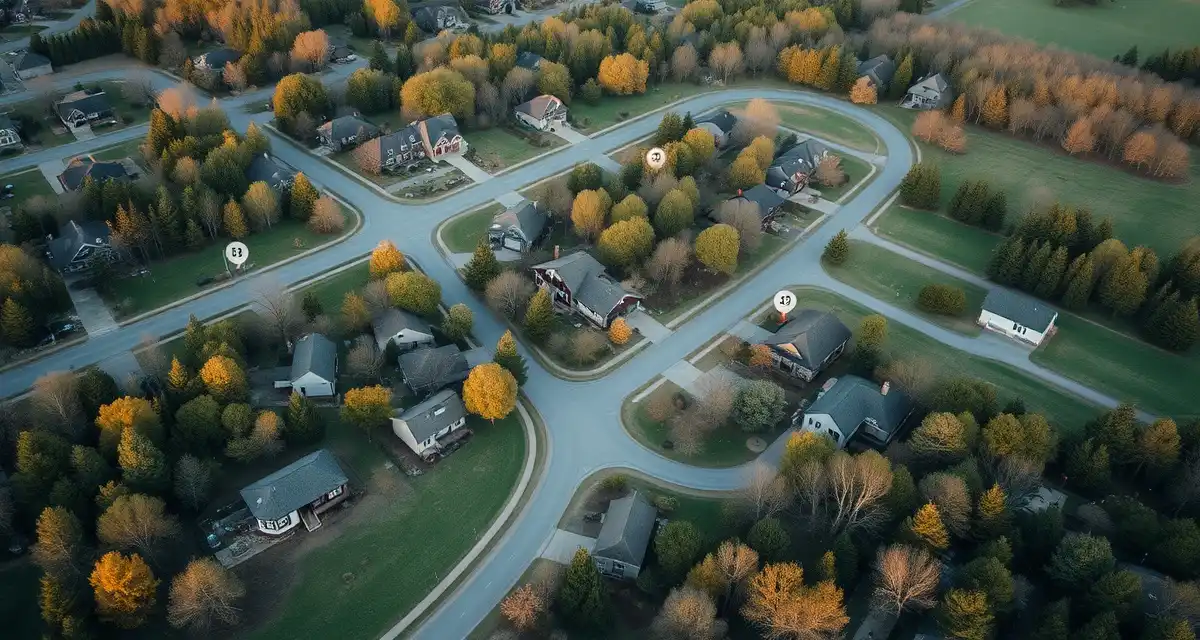
Rural subdivisions with failure rates 4x higher than managed communities demonstrate a consistent pattern: unmanaged septic systems fail more often because no one is tracking service intervals, documenting conditions, or following up on warning signs. Rural subdivisions with 50-200 lots each needing individual septic tracking overwhelm spreadsheet management, and spreadsheets are exactly what most companies use when they first take on a subdivision account.
TL;DR
- Rural Subdivisions facilities have distinct wastewater loading patterns that affect septic system sizing, service frequency, and permit requirements.
- Commercial and institutional properties like rural subdivisions typically require more frequent pumping than residential systems due to higher daily usage.
- Some rural subdivisions operations generate waste streams (grease, chemicals, or high-volume flow) that require pre-treatment before reaching the septic system.
- Service contracts for rural subdivisions provide predictable recurring revenue and are easier to manage with a platform that tracks commercial account schedules.
- Health department inspections for rural subdivisions properties may require septic system condition documentation as part of facility licensing.
- Septic companies specializing in rural subdivisions service build referral networks with property managers, architects, and health inspectors in that niche.
SepticMind's subdivision account structure tracks all lots under one account with individual system records, turning a spreadsheet management nightmare into an organized, automated workflow.
What Makes Subdivision Accounts Different
A subdivision account is simultaneously one client and many properties. The homeowners association, property management company, or developer acts as the billing and coordination contact. But each of the 50, 100, or 200 lots has its own septic system with its own:
- System type and size
- Installation date and service history
- Current condition and any identified issues
- Next scheduled service date
- Individual homeowner contact for access coordination
Managing this with a single service record for "Oakwood Estates" gets you nowhere. You need individual property records within a group account structure, so you can report to the HOA on the entire subdivision while tracking each individual system's history separately.
The Septic Failure Pattern in Unmanaged Subdivisions
Rural subdivisions that don't have organized septic management fall into a predictable pattern. Systems were installed when lots were developed. There's no central records system. Individual homeowners are responsible for their own service scheduling. Some homeowners get their systems pumped regularly; others never do. Nobody tracks the overall picture.
Over 10-15 years, the subdivision develops a notable deferred maintenance backlog. Some systems have gone 8-10 years without service. Early-failure systems (those with design problems, installation issues, or higher-than-average occupancy loading) have been generating slow degradation that nobody has caught.
Then failures start. A homeowner calls because the yard is soggy. Another notices odors. A third has backups. The HOA calls a septic company in crisis mode rather than having a coordinated management program.
The company that proposes organized subdivision management before the crisis mode develops wins the account. The company that shows up when called has to compete for the business every time.
Winning and Structuring a Subdivision Contract
The pitch to an HOA or property manager covers three points:
Records. You'll create and maintain a complete service record for every lot, system type, service history, current condition, next scheduled service. They'll have access to this information whenever they need it.
Scheduling. You'll manage service interval tracking for the entire subdivision. They don't need to track which systems are due; you send them a service schedule and they notify homeowners.
Reporting. Annually, you'll provide a subdivision status report showing which systems were serviced, what conditions were found, and any systems with identified concerns. This gives the HOA documentation they can use for property management decisions and disclosure requirements.
Price the contract to reflect the value of organized management versus emergency response. A subdivision with 150 lots at $150 per system service visit generates $22,500 if every system is serviced annually. The actual service frequency will vary by system age and type, but the account represents notable annual recurring revenue with predictable scheduling.
Individual System Tracking Within the Group Account
SepticMind's customer management software supports group accounts with individual property records. In a subdivision account:
- The HOA or property manager is the billing contact
- Each lot is a separate property record with its own system details and service history
- Service scheduling operates at the individual lot level, but scheduling and reporting can be viewed across the entire subdivision
When a service visit is completed for Lot 47, that service record is attached to Lot 47's system history, not lumped into a single account-level service log. When you pull the subdivision status report for the HOA, it aggregates individual lot records into the summary they need.
Coordinating Access in Subdivisions
Access coordination is the operational challenge in subdivision work. Each lot has a different homeowner. Scheduling 15 lots in one day requires 15 separate notifications, 15 access confirmations, and the flexibility to handle the households where nobody answered or nobody was home.
Build your subdivision scheduling workflow around:
Advance notice. Send service notifications 5-7 days before the scheduled service date. Give homeowners enough lead time to arrange access or make other arrangements.
Homeowner portal access. SepticMind's customer portal allows individual homeowners in a subdivision to view their own system's service records. This reduces calls to the HOA asking "when was my system last serviced", homeowners can look it up themselves.
Flexible access protocols. Work with the HOA to establish subdivision-wide access protocols: gate codes, lockbox arrangements, or blanket permission for defined access points. Reducing per-household coordination reduces scheduling friction notably.
Day-of confirmation. Send a reminder text or automated call to homeowners the day before service. Homeowners who forgot about the scheduled service date often need this reminder to ensure the gate is unlocked or the dog is inside.
Get Started with SepticMind
Rural Subdivisions facilities need a service provider who understands the specific wastewater challenges of their operations. SepticMind makes it easy to manage commercial service contracts, track inspection schedules, and document service visits for every account in your portfolio. See how it supports commercial account management.
Frequently Asked Questions
How do I manage septic service records for a 100-lot rural subdivision?
Structure the account with one billing contact (the HOA or property manager) and individual property records for each lot. Each lot's record contains the system type and size, installation date, complete service history, current condition notes, and next scheduled service date. When you complete service at a lot, record the visit against that specific lot's record, not the account-level record. This structure lets you pull individual lot history (for a homeowner who asks when their system was last serviced) and subdivision-wide summaries (for the HOA's annual status report) from the same data set. Spreadsheets can't do both simultaneously; a structured software system can.
Does SepticMind support bulk scheduling for service across all homes in a subdivision?
Yes. SepticMind's subdivision account structure allows service interval tracking at the individual lot level and bulk scheduling view at the account level. When you're planning a service run for a subdivision, you can pull a view showing all lots, their last service date, their scheduled service interval, and which lots are due or overdue. From that view, you can schedule multiple lots into a single routing sequence. The individual lot records update as each service visit is completed, keeping the subdivision status current without manual tracking. For subdivisions where service intervals vary by lot (newer systems on 3-year intervals, older systems on 2-year intervals, ATU systems on annual maintenance contracts), the system tracks each lot's applicable interval independently.
Can homeowners in a subdivision access their own septic records through the customer portal?
Yes. SepticMind's customer portal allows individual homeowners to view their own lot's service records, upcoming service dates, and inspection reports. Access is granted at the individual lot level (a homeowner at Lot 47 can see Lot 47's records but not other lots' information. The HOA or property manager has access to the full subdivision view. For subdivision management, homeowner portal access reduces the volume of calls and emails from individual homeowners asking about their service history) they can look it up themselves, which reduces office staff time and improves homeowner satisfaction with the management program.
How often should a septic system serving a rural subdivisions property be inspected?
Septic systems at rural subdivisions properties should be inspected at least annually and pumped more frequently than residential systems, since commercial-scale daily water usage accelerates sludge and grease accumulation. The exact frequency depends on the specific activities at the facility, peak occupancy, any food service or chemical use on-site, and local regulatory requirements. A service provider familiar with rural subdivisions operations can recommend an appropriate inspection and pumping schedule based on the system's actual usage profile.
What septic system issues are most common at rural subdivisions properties?
The most common septic problems at rural subdivisions properties are rapid sludge accumulation from high occupancy, grease trap failure if food service is involved, hydraulic overloading during peak-use periods, and non-biodegradable waste disposal from cleaning or maintenance activities. Regular inspection and a service contract with clear maintenance intervals are the most effective ways to catch these problems before they cause system failure or regulatory violations.
Try These Free Tools
Sources
- National Onsite Wastewater Recycling Association (NOWRA)
- US EPA Office of Wastewater Management
- NSF International
- Water Environment Federation
- National Environmental Services Center (NESC)