Septic Service for Rural Internet Service Provider Facilities
By the SepticMind Editorial Team
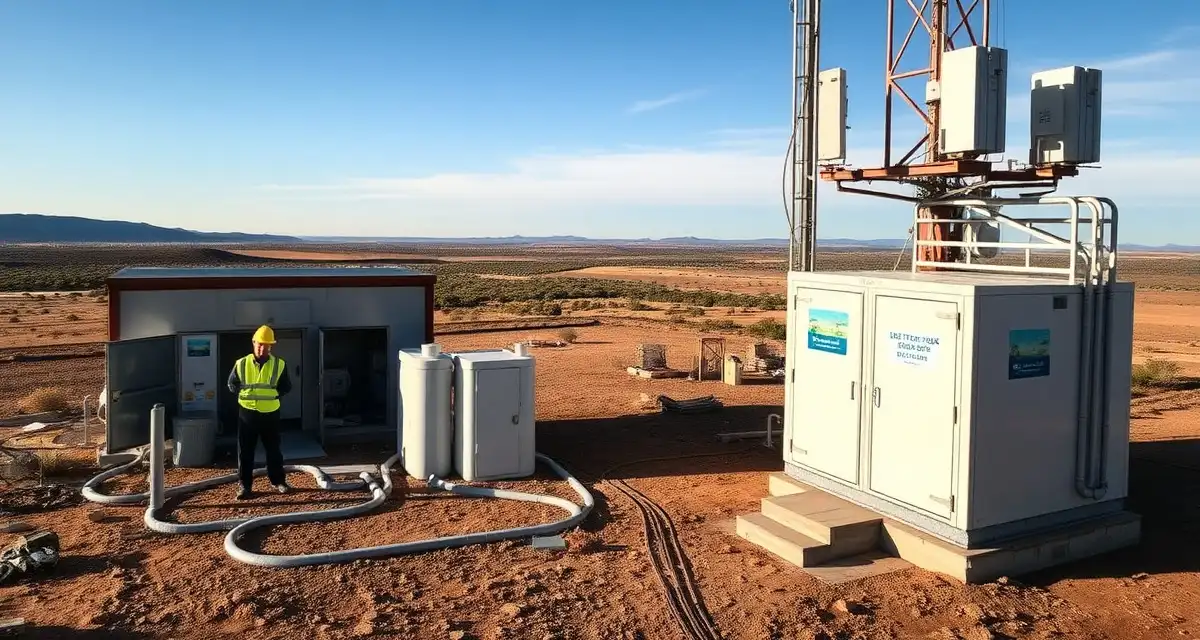
Rural ISP facilities in remote locations often have aging or unmaintained septic systems for maintenance crews, and rural ISP tower site crews need compliant sanitation facilities under OSHA telecommunications industry standards. The septic component of rural internet infrastructure is one of the most commonly overlooked maintenance obligations in the industry.
TL;DR
- Rural Internet Providers facilities have distinct wastewater loading patterns that affect septic system sizing, service frequency, and permit requirements.
- Commercial and institutional properties like rural internet providers typically require more frequent pumping than residential systems due to higher daily usage.
- Some rural internet providers operations generate waste streams (grease, chemicals, or high-volume flow) that require pre-treatment before reaching the septic system.
- Service contracts for rural internet providers provide predictable recurring revenue and are easier to manage with a platform that tracks commercial account schedules.
- Health department inspections for rural internet providers properties may require septic system condition documentation as part of facility licensing.
- Septic companies specializing in rural internet providers service build referral networks with property managers, architects, and health inspectors in that niche.
Why Rural ISP Tower Sites Have Septic Issues
Rural wireless ISP operations are typically lean infrastructure businesses. Tower sites in remote locations were often built with minimal permanent facilities: a utility shed, the tower structure, and whatever sanitation solution was cheapest at the time. The result is often:
- Aging pit privies or early-generation holding tanks without maintenance history
- Septic systems installed years ago that have never been professionally assessed
- Sites that rely entirely on workers bringing portable solutions rather than any permanent facility
- Larger hub facilities with actual buildings that have forgotten about the septic system
The people who use these facilities are maintenance technicians visiting for tower work, equipment installation, and routine maintenance. OSHA requires that workers have access to proper sanitation when their work shift exceeds a certain duration, even at remote sites.
SepticMind's remote facility account type documents tower location access conditions for service scheduling, ensuring that service providers know what they're dealing with before they arrive at a remote tower site.
OSHA Sanitation Requirements for Tower Sites
OSHA's telecommunications industry standards (29 CFR 1926 for construction work and 29 CFR 1910 for general industry) require employers to provide sanitation facilities for workers. The practical requirement for tower site work:
Work lasting over 4 hours: Workers engaged in tower maintenance for shifts exceeding 4 hours must have access to toilet facilities. For remote sites, this means either portable facilities brought to the site or permanent facilities at the site.
Multi-day work: For tower construction or major equipment replacement projects taking multiple days, on-site sanitation is required. Expecting workers to drive off-site for every bathroom break is not compliant.
Hub and equipment facilities with regular staffing: Sites where maintenance crews are present regularly, not just for periodic visits, need permanent sanitation infrastructure meeting standard OSHA sanitation requirements.
Types of Rural ISP Facilities and Their Needs
Unmanned tower sites with rare maintenance visits: The minimum requirement is access to sanitation during the work period. Portable units brought to the site for multi-day work are typically the practical solution. No permanent septic needed for truly unmanned sites with rare visits.
Equipment shelter facilities with occasional maintenance: Small buildings housing networking equipment with occasional maintenance crew visits. If crews spend half-days or full days at these sites regularly, permanent sanitation is more practical than portable units every visit.
Hub or headend facilities with regular staff: Larger facilities where technical staff are present regularly need permanent facilities. These should have properly permitted and maintained onsite septic systems.
Community access points or local ISP offices: If the ISP has a customer-facing office or community access location, standard commercial septic applies.
Access Documentation for Remote Sites
For hub facilities or equipment shelters with permanent septic systems, access documentation is critical. Remote ISP sites often have:
- Non-standard road access (private roads, field gates, forest service roads)
- Security access requirements (combination locks, coded gates, camera systems)
- Seasonal access limitations (mud season, snow depth)
- GPS coordinates that don't match street addresses
Every piece of access information should be documented in the service record so when a pump truck is scheduled to visit, the driver knows exactly how to get there and what access is needed.
For data center facilities in technology contexts with similar 24/7 operational considerations, that guide covers continuous operations septic management. For industrial property approaches at remote facility types, comparable remote logistics documentation applies.
Get Started with SepticMind
Managing service contracts for rural internet providers properties is easier with a platform built for the septic trade. SepticMind tracks commercial service schedules, documents every inspection visit, and keeps your compliance records organized by property. See how it handles your commercial account portfolio.
Frequently Asked Questions
What sanitation requirements apply to rural ISP tower maintenance facilities?
Rural ISP tower maintenance facilities are subject to OSHA sanitation requirements under the applicable industry standard (telecommunications construction under 29 CFR 1926 or general industry under 29 CFR 1910). Workers at remote sites for work shifts exceeding approximately 4 hours must have access to toilet facilities. For sites with regular maintenance crew presence, permanent sanitation infrastructure meeting OSHA minimum standards is more practical than portable solutions for every visit. Hub facilities and equipment shelters with regular staffing must have properly permitted and maintained permanent sanitation. The specific OSHA standard depends on how the work at each site is classified.
What septic system types work for remote unmanned tower facilities with occasional maintenance crews?
Truly unmanned tower sites with rare maintenance visits don't need permanent septic infrastructure. Portable facilities brought for multi-day work are appropriate. For facilities where crews are present semi-regularly (monthly or more frequent visits), a holding tank that's pumped periodically is often the most practical permanent solution, since standard drainfields may not be feasible or cost-effective in remote rocky or heavily wooded locations. For larger hub facilities with regular staffing, conventional or engineered systems appropriate to the soil conditions should be installed and permitted through the county health department. The system type should match the actual use frequency and access conditions.
Does SepticMind support remote facility septic documentation for ISP accounts?
Yes. SepticMind's remote facility account type is designed for exactly this use case: facilities in remote locations where access logistics are as important as the maintenance schedule. Tower site access is documented with road type, distance from nearest service center, access codes, seasonal limitations, and GPS coordinates. Service history is maintained for any permanent septic infrastructure at the site. OSHA sanitation compliance framework is captured in the account for each facility type. For ISP networks managing dozens of remote facilities across a service area, all locations are tracked under a single account, making it easy to see the compliance status of every site.
How often should a septic system serving a rural internet providers property be inspected?
Septic systems at rural internet providers properties should be inspected at least annually and pumped more frequently than residential systems, since commercial-scale daily water usage accelerates sludge and grease accumulation. The exact frequency depends on the specific activities at the facility, peak occupancy, any food service or chemical use on-site, and local regulatory requirements. A service provider familiar with rural internet providers operations can recommend an appropriate inspection and pumping schedule based on the system's actual usage profile.
What septic system issues are most common at rural internet providers properties?
The most common septic problems at rural internet providers properties are rapid sludge accumulation from high occupancy, grease trap failure if food service is involved, hydraulic overloading during peak-use periods, and non-biodegradable waste disposal from cleaning or maintenance activities. Regular inspection and a service contract with clear maintenance intervals are the most effective ways to catch these problems before they cause system failure or regulatory violations.
Try These Free Tools
Sources
- National Onsite Wastewater Recycling Association (NOWRA)
- US EPA Office of Wastewater Management
- NSF International
- Water Environment Federation
- National Environmental Services Center (NESC)