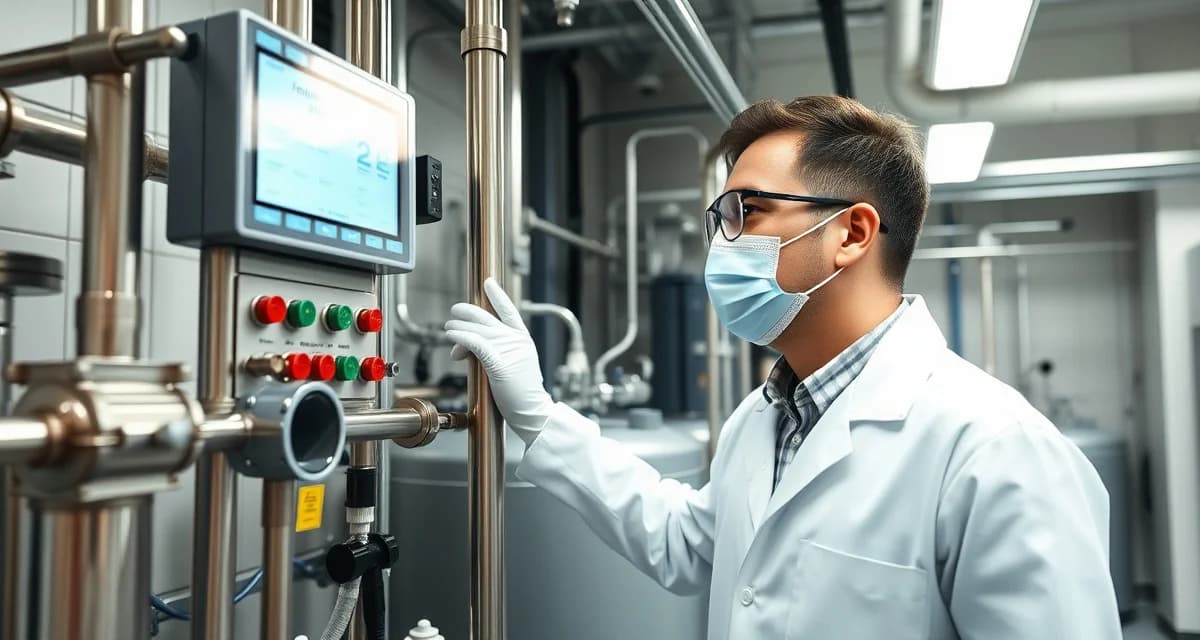
Septic Service for Small Pharmaceutical Facilities
By the SepticMind Editorial Team
Pharmaceutical facility wastewater contains active drug compounds that conventional septic cannot fully treat. DEA and EPA jointly regulate pharmaceutical wastewater disposal including septic system management for small manufacturers and compounding pharmacies, creating a compliance environment that goes well beyond standard county health department oversight.
TL;DR
- Pharmaceutical Facilities facilities have distinct wastewater loading patterns that affect septic system sizing, service frequency, and permit requirements.
- Commercial and institutional properties like pharmaceutical facilities typically require more frequent pumping than residential systems due to higher daily usage.
- Some pharmaceutical facilities operations generate waste streams (grease, chemicals, or high-volume flow) that require pre-treatment before reaching the septic system.
- Service contracts for pharmaceutical facilities provide predictable recurring revenue and are easier to manage with a platform that tracks commercial account schedules.
- Health department inspections for pharmaceutical facilities properties may require septic system condition documentation as part of facility licensing.
- Septic companies specializing in pharmaceutical facilities service build referral networks with property managers, architects, and health inspectors in that niche.
This is not a niche concern limited to large drug manufacturers. Small pharmaceutical manufacturing facilities, 503B outsourcing facilities, and specialty compounding pharmacies all generate regulated pharmaceutical wastewater, and the compliance obligations attach to the facility regardless of size or production volume.
Why Pharmaceutical Wastewater Is Different
Conventional septic systems treat domestic wastewater effectively through biological processes and soil filtration. These processes are not designed to eliminate active pharmaceutical ingredients (APIs) or controlled substance traces. When pharmaceutical residues enter a conventional onsite septic system:
APIs persist: Many pharmaceutical compounds are biologically stable and pass through septic systems without breaking down. They can then leach into groundwater and surface water from the drainfield.
Controlled substances require specific handling: The Drug Enforcement Administration regulates the disposal of controlled substances, and there is no general exemption that allows controlled substance residues to be disposed of through standard septic systems.
EPA Clean Water Act standards: Pharmaceutical manufacturers, including small ones, may be subject to EPA effluent guidelines and general pretreatment standards under the Clean Water Act when their wastewater reaches any treatment system, including onsite septic.
DEA Requirements for Pharmaceutical Waste Disposal
The DEA's pharmaceutical waste rules focus primarily on solid waste and stock disposal, but they create a regulatory context for wastewater as well. Small compounding pharmacies and manufacturers should have a formal drug waste disposal protocol that addresses:
- How expired or unusable controlled substance stock is disposed of (through DEA-authorized reverse distributors)
- How cleaning water from controlled substance manufacturing areas is handled
- Whether any controlled substance residues reach the onsite septic system
Many small facilities err on the side of routing all wash water from controlled substance manufacturing areas through a separate regulated waste disposal pathway rather than to the septic system. This is the most defensible approach from a compliance standpoint.
SepticMind's pharmaceutical facility account type documents DEA and EPA wastewater compliance requirements. The account captures what regulatory frameworks apply to your specific facility and connects those requirements to your service records.
EPA Compliance for Small Manufacturers
Small pharmaceutical manufacturers are still subject to EPA Clean Water Act compliance, including the Effluent Limitations Guidelines for Pharmaceutical Manufacturing (40 CFR Part 439). Whether these guidelines apply to onsite septic discharge specifically depends on how your facility is classified and what effluent limits your permit specifies.
Contact your EPA regional office or state environmental agency to confirm:
- Whether your facility is subject to 40 CFR Part 439
- Whether your onsite septic system qualifies as a permitted discharge pathway for your facility's wastewater
- What monitoring or reporting requirements apply to your pharmaceutical wastewater
For state onsite wastewater regulations that may layer additional requirements on top of federal EPA standards, your state environmental agency is the right starting point.
Get Started with SepticMind
Pharmaceutical Facilities facilities need a service provider who understands the specific wastewater challenges of their operations. SepticMind makes it easy to manage commercial service contracts, track inspection schedules, and document service visits for every account in your portfolio. See how it supports commercial account management.
Frequently Asked Questions
What regulatory requirements govern septic systems at pharmaceutical facilities?
Small pharmaceutical facilities face wastewater compliance from the DEA, EPA, and state environmental agencies. The DEA regulates controlled substance disposal including management of wash water from manufacturing areas. The EPA's Clean Water Act and potentially 40 CFR Part 439 Effluent Limitations Guidelines apply to pharmaceutical manufacturing wastewater. State environmental agencies may have additional requirements on top of federal standards. A conventional onsite septic system is not designed to eliminate active pharmaceutical ingredients, so many facilities route manufacturing wastewater through separate regulated disposal pathways rather than to the standard septic system.
How do controlled substance traces in wastewater affect septic system compliance?
Controlled substance traces in wastewater create both DEA and EPA compliance concerns. The DEA requires that controlled substances be disposed of through authorized channels, and discharging to an onsite septic system may not satisfy that requirement for manufacturing wash water. EPA standards may also apply to pharmaceutical effluent. As a practical matter, pharmaceutical wastewater with controlled substance content should be reviewed by both your regulatory counsel and a licensed environmental consultant before assuming it can go to a standard onsite septic system. The safest approach for manufacturing facilities is to segregate this wastewater from standard employee sanitation gray water and route it through an authorized regulated waste disposal pathway.
Does SepticMind track DEA and EPA compliance for pharmaceutical facility accounts?
Yes. SepticMind's pharmaceutical facility account type is designed for the multi-agency compliance environment of small manufacturers and compounding facilities. The account documents applicable DEA, EPA, and state environmental compliance frameworks alongside standard county septic compliance. Separate records can be maintained for the employee sanitation system and for any manufacturing wastewater management documentation. Service records are stored in a format suitable for regulatory inspection, and the account notes which waste streams go to which disposal pathways. For pharmaceutical facilities subject to periodic DEA or EPA compliance audits, organized facility records in SepticMind simplify the documentation production process.
How often should a septic system serving a pharmaceutical facilities property be inspected?
Septic systems at pharmaceutical facilities properties should be inspected at least annually and pumped more frequently than residential systems, since commercial-scale daily water usage accelerates sludge and grease accumulation. The exact frequency depends on the specific activities at the facility, peak occupancy, any food service or chemical use on-site, and local regulatory requirements. A service provider familiar with pharmaceutical facilities operations can recommend an appropriate inspection and pumping schedule based on the system's actual usage profile.
What septic system issues are most common at pharmaceutical facilities properties?
The most common septic problems at pharmaceutical facilities properties are rapid sludge accumulation from high occupancy, grease trap failure if food service is involved, hydraulic overloading during peak-use periods, and non-biodegradable waste disposal from cleaning or maintenance activities. Regular inspection and a service contract with clear maintenance intervals are the most effective ways to catch these problems before they cause system failure or regulatory violations.
Try These Free Tools
Sources
- National Onsite Wastewater Recycling Association (NOWRA)
- US EPA Office of Wastewater Management
- NSF International
- Water Environment Federation
- National Environmental Services Center (NESC)