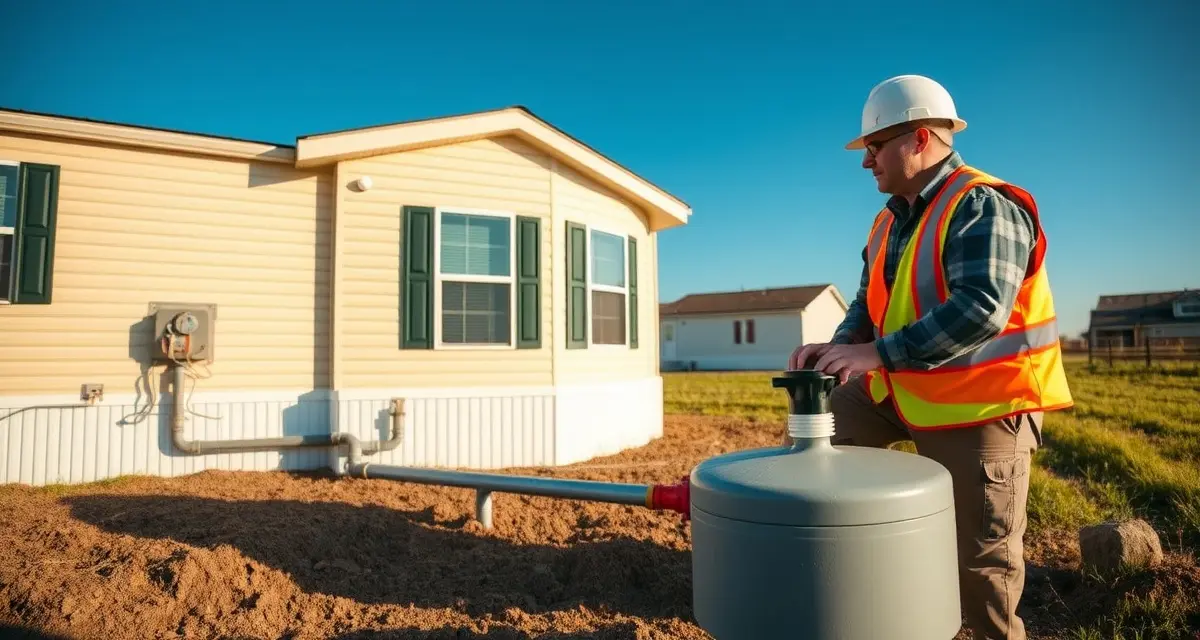
Septic Inspections for Manufactured Homes: Requirements and Differences
By the SepticMind Editorial Team
FHA and VA have specific rules for manufactured home septic inspections that differ from site-built homes. Manufactured homes represent 6.6% of all US housing and frequently use private septic systems, which means septic inspectors in rural areas encounter manufactured home inspections regularly. The inspectors who don't know the differences end up submitting reports that lenders reject.
TL;DR
- Septic inspections require state-specific report formats that must be completed correctly before they are accepted by regulators, lenders, or buyers.
- Photo documentation with timestamps and GPS coordinates is the minimum standard for defensible inspection reports.
- Real estate inspection reports in most states must be filed with the county health department within a specified timeframe.
- Inspector credentials must be current and visible on every submitted report; expired credentials are grounds for report rejection.
- Digital inspection tools reduce report completion time from hours to minutes and eliminate transcription errors.
- Consistent documentation quality across all technicians protects company reputation in the real estate inspection market.
This guide covers what makes manufactured home septic inspections different, what lenders require, and how to make sure your reports satisfy underwriting for this specific property type.
What Makes Manufactured Home Septic Inspections Different
The differences start with the HUD classification. Manufactured homes are built to HUD standards (not local building codes) and have their own appraisal forms and underwriting guidelines. Lenders treating manufactured homes as equivalent to site-built homes for appraisal and inspection purposes make errors that delay closings.
HUD foundation and installation requirements. Manufactured homes must meet HUD's installation standards, which include how the home is anchored and the nature of its connection to utilities including the septic system. The connection between the manufactured home's plumbing and the septic system must meet HUD specifications. If the connection is non-standard or unpermitted, it affects the inspection's assessment of the system's suitability.
Lender-specific appraisal forms. FHA uses a different appraisal form for manufactured housing (Form 1004C / URAR with manufactured housing addendum) that includes specific items for water and wastewater systems. The septic inspection report you provide needs to address the items specific to this form.
Titling and land status. Manufactured homes can be titled as real property or personal property. FHA, VA, and USDA loans only apply when the home is titled as real property, permanently affixed to a foundation with the land. This affects the transaction type but not the septic inspection requirements directly; however, inspectors should be aware of the context when they receive an inspection order.
FHA Requirements for Manufactured Home Septic Inspections
FHA's requirements for manufactured home septic inspections follow the same general standards as site-built homes but with additional consideration for manufactured housing documentation:
The home's plumbing connection. The connection between the manufactured home's plumbing and the septic system must be appropriate and documented. If the home was set up with flexible hose connections rather than properly piped rigid connections, that may be flagged.
System capacity relative to the home. The septic system must be sized appropriately for the home's bedroom count. Manufactured homes are sometimes placed on smaller systems intended for different use. Document the tank size and confirm it meets minimum sizing requirements for the bedroom count.
Installation compliance. The septic system serving the home should be permitted and installed to applicable local standards. If the home was placed on an existing system, confirm the system was properly permitted for the home's connection.
All standard FHA inspection requirements apply. Well proximity (50-foot trigger), inspector credentials, condition documentation, photos, and clear pass/fail determination are all required exactly as they are for site-built home inspections.
VA Requirements for Manufactured Home Septic Inspections
VA applies the same inspection requirements for manufactured homes as for site-built homes when the home qualifies for VA financing (real property, permanently affixed). The distinction matters at the appraisal level, not at the septic inspection level, you're documenting the same components, the same conditions, and the same setback distances.
One area where manufactured home inspections sometimes generate additional VA scrutiny: properties where the septic system was installed for a prior home that was removed and replaced with a manufactured home. If the system's design was based on different specifications than what the current home requires, document that carefully and note whether the system appears adequate for the current home's needs.
USDA Requirements for Manufactured Home Septic
USDA Rural Development loans for manufactured homes require the same septic documentation as for site-built rural properties: local code compliance, capacity relative to bedroom count, condition of all accessible components, and setback measurements. USDA also has specific requirements about the permanency of manufactured home installations that affect loan eligibility, but those are appraisal and title issues rather than septic inspection issues.
Common Errors on Manufactured Home Septic Reports
Not noting the connection type. The inspection report should note how the manufactured home connects to the septic system. If you can observe the connection point and confirm it's properly piped, note it. If you cannot observe it, note that too.
Using a site-built inspection form without the manufactured housing context. Some lenders want the inspection report to explicitly reference that it's for a manufactured home. If you're using a generic inspection template, note the property type in the report.
Failing to note HUD data plate or compliance documentation. While septic inspection isn't about the home itself, noting the general nature of the property (manufactured home, year, approximate size) in the inspection header helps lenders process the report correctly.
Setting Up Your Inspection Templates
SepticMind's manufactured home inspection job type uses the correct template for lender compliance, adapted for the specific lender requirements that apply to manufactured housing transactions. The template includes fields for manufactured home-specific documentation points alongside the standard inspection requirements.
For your real estate septic inspection software to be effective for manufactured home transactions, having a template that accounts for the property type avoids the confusion that comes from applying a generic site-built template to a manufactured home inspection and then having to revise when the lender flags missing elements.
Get Started with SepticMind
Inspection work is the highest-visibility service in the septic trade, and your documentation quality directly affects your reputation with real estate agents, lenders, and county officials. SepticMind generates state-formatted inspection reports in the field with photo documentation attached. See how it supports your inspection workflow.
Frequently Asked Questions
What are the special septic inspection requirements for manufactured homes?
Manufactured home septic inspections require all the standard elements (inspector credentials, system type documentation, condition of accessible components, setback measurements, photos, and a clear pass/fail determination) plus additional attention to the connection between the manufactured home's plumbing and the septic system. The connection should be documented as appropriate and properly installed. The system's capacity must be confirmed as adequate for the home's bedroom count. If the home was placed on an existing system previously serving a different home, note this and assess the system's suitability for the current home. Lenders using FHA manufactured housing appraisal forms have specific documentation checklist items; your inspection report should address those items explicitly.
Do lenders require a different inspection format for manufactured home septic systems?
The core inspection content requirements are largely the same as for site-built homes. What differs is the context. Some lenders and appraisers expect the inspection report to note that the property is a manufactured home, document the plumbing connection to the septic system, and confirm the system is sized for the home's current configuration. FHA's manufactured housing appraisal form (Form 1004C) includes specific items about utility systems; the septic inspection report should address those items so the appraiser can complete their form without requesting additional information. Inspectors who frequently work manufactured home transactions should review the FHA and VA manufactured housing guidelines to understand the full appraisal context their inspection supports.
Does SepticMind have a manufactured home-specific septic inspection template?
Yes. SepticMind's inspection job type for manufactured homes uses a template designed for lender compliance on manufactured housing transactions. The template includes fields for the property type, plumbing connection documentation, system capacity relative to bedroom count, and the standard inspection elements required for FHA, VA, and USDA loan review. The report generates in a professional PDF format that lenders recognize as appropriate for manufactured housing inspection documentation. This eliminates the back-and-forth that happens when generic inspection reports are submitted for manufactured home transactions and come back with questions about missing manufactured housing-specific documentation.
What is the difference between a septic inspection and a septic pump-out?
A pump-out removes accumulated sludge and scum from the tank. An inspection evaluates the condition of all accessible system components: tank structure, baffles, distribution box, drainfield, and in some cases the outlet line. A real estate or regulatory inspection produces a written report in the state-required format with findings and a pass/conditional pass/fail determination. Many inspection visits include a pump-out as part of the service, but the pump-out alone is not the inspection.
Can inspection reports be submitted electronically to the county?
Yes, most counties and state agencies accept electronic inspection report submissions and many now prefer or require them. The report must be in the state-required format and include all required fields, the inspector's credentials, and any required signatures or attestations. Purpose-built inspection software generates the report in the correct state format and can submit it electronically directly from the field.
Try These Free Tools
Sources
- National Onsite Wastewater Recycling Association (NOWRA)
- US EPA Office of Wastewater Management
- NSF International
- American Society of Home Inspectors (ASHI)
- Water Environment Federation