Aeris aerobic septic system: how it works, costs, and care
By the SepticMind Editorial Team
TL;DR
- Aeris is a brand of aerobic treatment unit (ATU) that pumps air into sewage to grow oxygen-loving bacteria, producing cleaner effluent than a standard septic tank.
- Installed cost runs roughly $10,000 to $20,000.
- Most states require a quarterly or semi-annual service contract, chlorine or UV disinfection, and far more active upkeep than a conventional system.
What is an Aeris aerobic septic system and how does it work?
Aeris is a brand of aerobic treatment unit (ATU) sold mostly across the southern United States, where regulators require advanced treatment on lots with poor soil, high water tables, or tight setbacks. The company makes single-tank and multi-chamber units that treat household sewage before it ever leaves the tank.
The difference from a conventional tank is air. A conventional septic tank is anaerobic: solids settle, and partially treated liquid (effluent) flows out to a leach field. An Aeris ATU runs sewage through three stages inside one body [1]:
- A pre-treatment or trash chamber where solids settle, just like a conventional tank.
- An aeration chamber where a compressor pumps air around the clock, feeding aerobic bacteria that digest suspended solids and cut biological oxygen demand (BOD) and total suspended solids (TSS) far harder than anaerobic bacteria can.
- A settling (clarifier) chamber where remaining solids drop out before cleaner effluent moves to disinfection.
Disinfection is the last step before effluent leaves the system. Most Aeris installations drop chlorine tablets into a disinfection chamber; some jurisdictions now allow UV. The EPA's SepticSmart program notes that aerobic systems can produce effluent meeting secondary treatment standards, with BOD and TSS reductions that commonly exceed 85 to 95 percent [2].
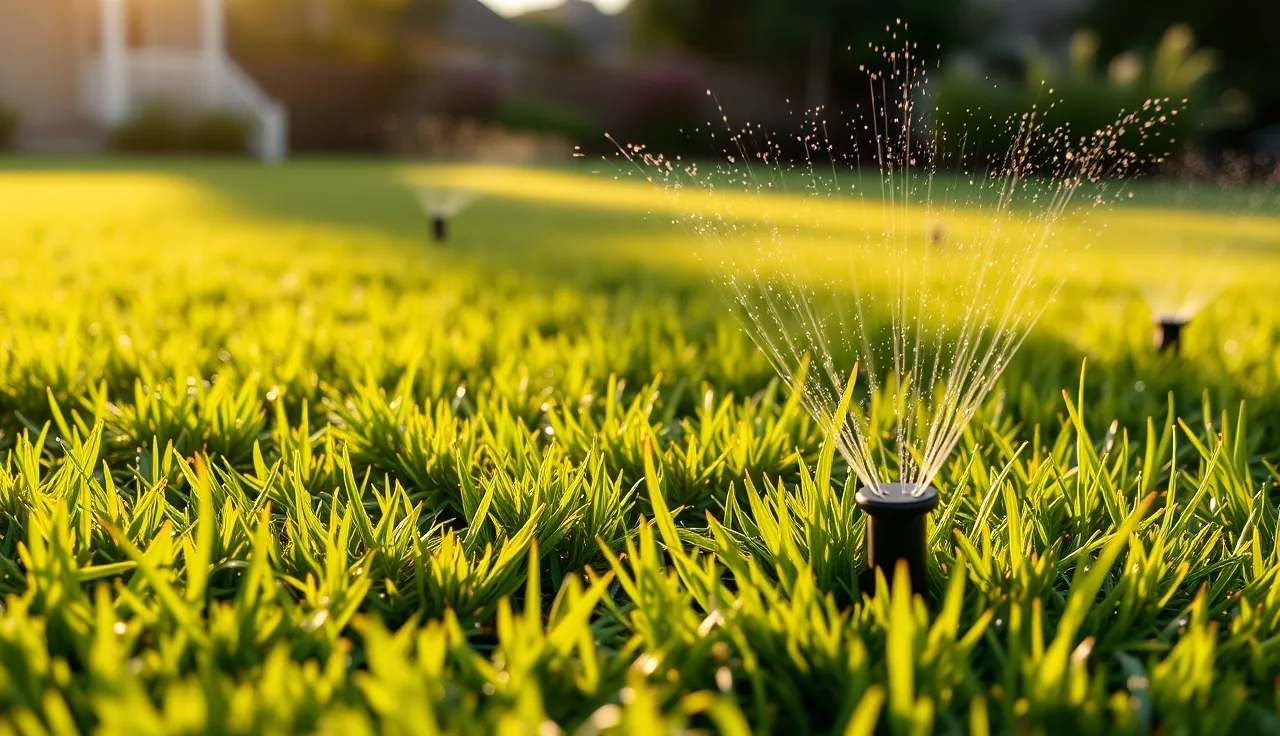
That cleaner output is why many states let ATUs discharge to surface drip irrigation or spray fields instead of a traditional drain field. If your lot couldn't support a conventional leach field, an ATU was probably your only path to an onsite system.
Who makes Aeris systems and where are they sold?
Aeris Water LLC (sometimes marketed as Aeris Environmental) builds ATUs sold through licensed dealers and installers in Texas, Oklahoma, Louisiana, and neighboring Gulf Coast states. Texas is the biggest market. The Texas Commission on Environmental Quality (TCEQ) has required licensed maintenance on all ATUs since 1997, which built a dense dealer and service network [9].
Aeris units are NSF/ANSI Standard 40 certified, the national benchmark for residential ATUs. NSF 40 requires a unit to hit Class I effluent quality (30 mg/L BOD and 30 mg/L TSS or less on a 30-day average) under controlled testing [4]. That certification decides permitting: most state and county regulators won't approve an ATU without it.
Because Aeris sells through installers instead of big-box stores, the units aren't priced publicly. Your installer sets the final number. That number swings more on region and lot conditions than on which model you pick.
How much does an Aeris aerobic septic system cost?
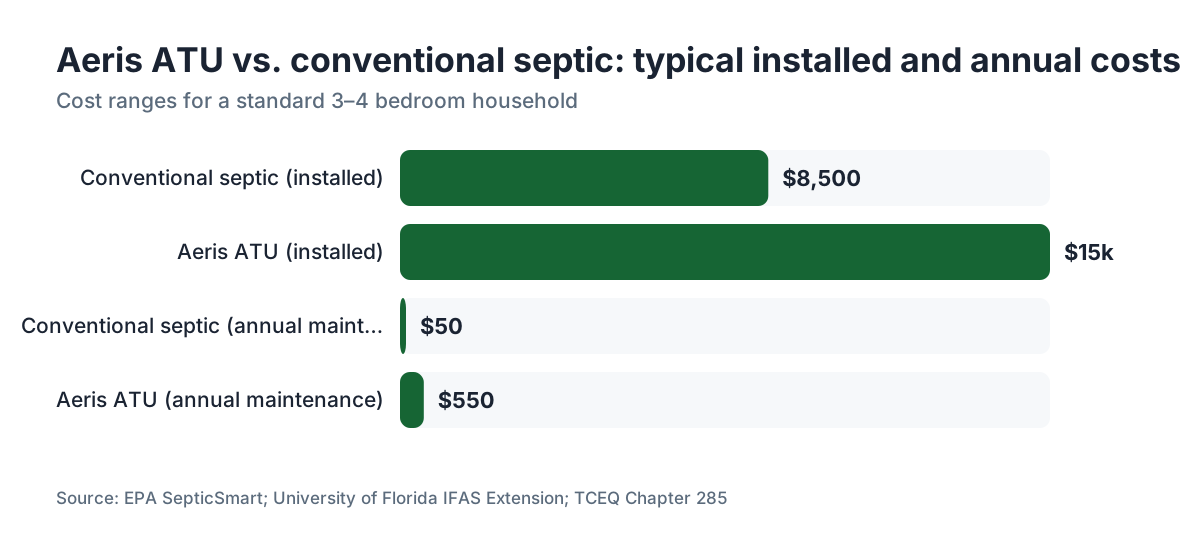
Installed cost for an Aeris ATU runs about $10,000 to $20,000 for a standard three- to four-bedroom home. Difficult soil or a steep grade pushes it higher. Breaking out the pieces shows where the money goes [5]:
| Component | Typical Cost Range |
|---|---|
| Aeris ATU unit (hardware) | $3,000 to $6,000 |
| Excavation and installation labor | $3,000 to $6,000 |
| Spray heads or drip irrigation field | $2,000 to $5,000 |
| Electrical hookup for compressor and pump | $500 to $1,500 |
| Permitting and inspections | $200 to $800 |
| Total installed | $10,000 to $20,000+ |
A conventional septic tank plus drain field on an easy lot runs $5,000 to $12,000 in most markets [6]. You pay more for an ATU upfront. You may also have no choice if your site won't pass a percolation test for a conventional install.
The ongoing cost is what blindsides new owners. Most states require a quarterly or semi-annual contract with a licensed ATU maintenance provider. In Texas, that runs $150 to $300 a year for basic visits, and climbs to $500 or more when the provider handles chlorine restocking and state reporting [9]. Compressor replacement, the aerator that keeps the bacteria alive, adds $300 to $600 for the part alone every five to ten years.
The compressor never stops. It runs 24 hours a day. Expect your electric bill to rise roughly $5 to $15 a month depending on motor size and local rates. Call it $60 to $180 a year. Small, but real, and it never goes away.
What maintenance does an Aeris aerobic septic system need?
Aerobic systems demand more attention than conventional tanks, and skipping it isn't an option. The bacteria that keep the unit working die within 24 to 48 hours if the compressor fails. A conventional tank degrades slowly under neglect. An ATU can foul its spray field or drip lines fast once the treatment process breaks down.
Here's the real maintenance list:
Chlorine restocking (monthly). The disinfection chamber uses standard 3-inch trichlor tablets, the same ones sold for pools. A family of four burns through about one tablet every one to two weeks. Run out, and untreated or half-treated effluent reaches the spray area. That's a health risk and a permit violation in most states. Check the level every month.
Compressor inspection (quarterly). The compressor is the heart of the whole thing. Filters on most Aeris models need cleaning or swapping every three to six months. A technician also checks the air diffusers inside the aeration chamber for clogs and damage. Clogged diffusers mean weak aeration, and weak aeration means the bacteria stop doing their job.
Pump-out of settled solids (every one to three years). The pre-treatment chamber builds up sludge just like a conventional tank. Most Aeris owners need a septic tank pump out every one to three years depending on household size, far more often than the three-to-five-year conventional average. Skip it and sludge carries into the aeration chamber, shortening the life of every downstream part.
Spray head or drip emitter inspection (quarterly). The disposal field is usually a lawn spray system or a drip grid. Spray heads clog, crack, or get clipped by a mower. Drip emitters plug with biofilm. Any blocked emitter concentrates effluent in a small patch and can pond on the surface, which is a permit violation in most states.
State reporting. TCEQ requires the maintenance provider to file inspection reports twice a year [9]. Other states have their own version. Let your contract lapse and your county or state agency may eventually catch it and mail you a violation.
Operators running fleets of ATUs across many properties can track service intervals, chlorine logs, and inspection reports in one place. SepticMind is built for that workflow, so service companies stop missing visits and keep their compliance paperwork straight.
See also: how often to pump septic tank for a fuller breakdown of pump-out schedules by system type.
What are the most common Aeris ATU problems and how do you fix them?
Most ATU failures trace to one of four things: a dead compressor, empty chlorine, packed sludge, or a broken spray component. All four give you early warning if you inspect on schedule.
Compressor failure is the big one. Signs include the alarm light or buzzer (most Aeris units have an audible and visual alarm panel), no bubbling when you look into the aeration chamber, and effluent that smells strongly of sewage. If the compressor dies, call your service provider the same day. Run it dead for more than 48 hours and the aeration chamber goes anaerobic, producing a sulfur-heavy sludge that takes weeks to recover.
Chlorine depletion is simpler. It shows up as a failed coliform test during a state inspection. If your area requires quarterly effluent sampling (Texas does for spray systems), a positive coliform result almost always means the disinfection chamber is empty or the tablet feeder is jammed.
Sludge carryover into the aeration chamber looks like thick brown scum riding on the aerator or clogging the diffusers. It means the pre-treatment chamber is overdue. Schedule a septic tank pumping visit right away. Keep running with carryover and you'll damage the pump and foul the spray field.
Spray field ponding or wet spots in the yard point to a clogged spray head, a broken drip lateral, or (worse) a field taking more effluent than it can absorb. That last case needs a site assessment and maybe a field repair. See septic system repair for what field work costs and involves.
One thing that surprises homeowners: an Aeris alarm doesn't always mean the system failed. A high water table during heavy rain can trip the float. A power blip can reset the compressor. Check the obvious causes first. But check them the same day.
Can you use an aerobic septic system for garden irrigation?
It depends entirely on your state's rules and the actual quality of your effluent. That's the honest answer, and anyone who gives you a flat yes is skipping the part that keeps you legal.
Aerobic systems make cleaner effluent than conventional tanks, and some states let treated ATU effluent water lawns and ornamental plantings. Texas permits spray irrigation of treated ATU effluent on lawns and non-edible vegetation under TCEQ rules [9]. Those spray heads dotting the yards of ATU homes in Texas subdivisions are applying treated wastewater to turf, by design.
Edible gardens are a different animal. The EPA's water reuse guidelines are blunt that even tertiary-treated wastewater carries pathogen risk on food crops, especially raw vegetables eaten uncooked [7]. Spraying ATU effluent on a vegetable garden is illegal in most states and genuinely risky. Aerobic treatment does not reliably wipe out every virus and parasitic cyst.
For ornamental beds, shrubs, and fruit trees where no ground-contact part gets eaten raw, the risk shifts, but you still need explicit state authorization. Clear-looking water is not the same as safe water.
People sometimes assume treated ATU output is the same as a gray water recycling system. It isn't. Gray water comes from sinks and showers. ATU effluent contains toilet waste that's been treated but not sterilized. The pathogen load is way down from raw sewage, but it isn't zero.
If you want to irrigate with your Aeris output, do three things. Confirm with your county health department or state agency what's allowed. Verify your recent testing records show the system meeting its effluent benchmarks. Keep the spray well clear of edible plants and any ground where kids play.
How does an Aeris ATU compare to a conventional septic system?
The tradeoff is treatment quality against complexity and cost. Here's the side-by-side:
| Factor | Conventional Septic | Aeris ATU |
|---|---|---|
| Treatment level | Primary (anaerobic) | Secondary (aerobic) |
| Effluent BOD | 100 to 200 mg/L typical | 10 to 30 mg/L (NSF 40 Class I) |
| Installed cost | $5,000 to $12,000 | $10,000 to $20,000+ |
| Maintenance visits | Every 3 to 5 years | Quarterly or semi-annual |
| Annual maintenance cost | $0 to $100 | $150 to $500+ |
| Power use | None | $60 to $180/year |
| Disposal field required | Yes (leach field) | Spray or drip field (or leach) |
| Works on poor soils | No | Often yes |
| State reporting required | Rarely | Usually yes |
Conventional systems win on cost and simplicity when the site allows one. ATUs win when the site won't support a conventional install, or when the state demands higher treatment near wells, water bodies, or small lots [1].
If you're facing a new install and your site perked, the conventional path is usually the right call on cost and reliability. On a tight lot, clay-heavy soil, or near a lake, an ATU is often the only permitted option. For installation costs across both types, see cost to install septic system.
How long does an Aeris aerobic septic system last?
A well-maintained Aeris tank should last 20 to 30 years. It's fiberglass or polyethylene, so it doesn't corrode. The moving parts wear out faster: compressors last 5 to 10 years, submersible pumps 7 to 12 years, and spray heads 5 to 10 years depending on sun exposure and water quality [5].
The spray or drip field is the part most likely to need work before the tank does. Spray fields watering a lawn can run indefinitely at proper loading rates, but drip fields use polyethylene tubing that breaks down in sunlight if exposed, plus emitters that clog over years of use. Budget for a drip field refurbishment every 10 to 15 years.
Heavy household chemicals are the fastest way to kill an aerobic system early. Bleach, antibacterial soaps, drain cleaners, and prescription antibiotics all hit the bacteria colony in the aeration chamber. The colony bounces back from an occasional dose, but a steady stream of harsh chemicals stresses it nonstop. The EPA SepticSmart program advises treating household chemicals and medications as hazardous waste rather than pouring them down a drain [2].
Set your expectations honestly: you will spend money on this system every year, and usually more than once. Owners who budget $400 to $700 a year for service, chlorine, and small repairs rarely get surprised. Owners who expect it to run like a conventional tank get blindsided by the first compressor bill.
What do state regulations say about aerobic treatment units?
States regulate ATUs, and the rules vary more than most homeowners expect. A few examples:
Texas (TCEQ): The most ATU-heavy state in the country. TCEQ Chapter 285 requires every ATU to carry a two-year maintenance contract with a licensed maintenance company as a condition of the original permit [9]. Inspection reports must be filed with the authorized agent (usually the county) twice a year. Texas also mandates an audible and visual alarm on every ATU.
Oklahoma (ODEQ): Oklahoma's onsite wastewater rules under OAC 252:641 require NSF 40 certification for all ATUs and require owners to keep a service agreement with an approved provider.
Louisiana: ATUs must be installed by a licensed installer and inspected by the state health department before final approval.
General EPA guidance: The EPA doesn't directly regulate onsite systems (that's the states' job), but its SepticSmart initiative provides national guidance. The EPA notes that aerobic treatment can reduce pathogens to levels fit for surface disposal on lawns and ornamental landscaping where state rules allow [2].
Buying a home with an existing Aeris system? Ask for three things first: the original permit, the most recent inspection report, and proof the maintenance contract is current. An inspection is worth the $200 to $400 it costs. See septic tank inspection for what a qualified inspector checks on an ATU.
Sellers in states with reporting rules are often required to disclose ATU status and hand over recent inspection records. In Texas, a lapsed maintenance contract can cloud the title and delay a closing.
Is an Aeris aerobic system right for your property?
You often don't get to choose. If your lot passes a perc test for a conventional system, the conventional system will almost always cost less to install and maintain over its life. Take that route if you can.
An Aeris ATU (or any ATU brand) makes sense when:
- Your lot failed a percolation test or has a high seasonal water table.
- Your county requires setbacks from a well or surface water that a conventional drain field can't meet.
- Your lot is too small for a standard leach field.
- You're in a subdivision where deed restrictions or county rules require aerobic treatment.
- You want spray irrigation of your lawn and your state allows it.
Where people pick an ATU when they didn't have to: replacing a failed conventional system when the original field could have been rehabilitated. A failed drain field doesn't automatically mean you need an ATU. Sometimes the field just needs resting, jetting, or a new distribution box. Read septic system repair before you commit to a full ATU install as your repair path.
For operators managing properties with Aeris units, the maintenance schedule is the business model. SepticMind's scheduling and reporting tools are built around the quarterly-visit, twice-yearly-reporting cycle that Texas and most other ATU-heavy states require, so your team isn't chasing visits in a spreadsheet.
Here's the whole thing in one line: Aeris ATUs work well when they're maintained and fail expensively when they're ignored. Budget the time and money for real upkeep, and the system does what it promises.
Frequently asked questions
How often does an Aeris aerobic septic system need to be pumped?
The pre-treatment (trash) chamber needs pumping every one to three years for a typical household, more often than the three-to-five-year average for conventional tanks. The aeration and clarifier chambers also collect solids and get checked at each service visit. Skip the pump-out and sludge carries into the aeration chamber, damaging the compressor and spray system. See our guide on septic tank pumping for cost and scheduling details.
What chlorine tablets does an Aeris aerobic system use?
Standard 3-inch trichlor pool tablets work in most Aeris disinfection chambers. Aeris and many service providers sell branded tablets too, but the chemistry is the same. A household of four uses about one tablet every one to two weeks. You can buy them at pool supply stores or online. Never put calcium hypochlorite (granular pool shock) in the tablet feeder. It dissolves too fast and can damage the chamber.
Can an Aeris ATU spray system water a vegetable garden?
No. Most states prohibit applying ATU effluent to edible crops, and the EPA's water reuse guidelines advise against it even for treated wastewater because pathogen removal isn't complete. Texas and some other states allow spray on lawns and ornamental (non-edible) plantings, but that's the limit. Spraying it on a vegetable garden is both a permit violation and a real health risk. Always check with your state environmental agency before applying ATU effluent to any vegetation.
What does the Aeris aerobic system alarm mean?
Most Aeris units have an audible buzzer and a red warning light. Common triggers include compressor failure, a high-water float alarm set off by heavy rain or a pump problem, and a low chlorine float on units that have one. Start by checking whether the compressor is running (you'll hear it and see bubbling in the aeration chamber). If it's dead, call your service provider that day. A float alarm during heavy rain may clear itself once water levels drop.
How much does Aeris aerobic septic system maintenance cost per year?
Budget $400 to $700 per year for a typical household. That covers a licensed service contract ($150 to $500 depending on state rules and provider), chlorine tablets ($40 to $80), and minor consumables. Compressor replacement every five to ten years adds a one-time cost of $300 to $600 for parts. Electricity for the compressor adds roughly $60 to $180 a year. Major repairs like a pump replacement or spray field rehab are extra.
Is an Aeris system the same as a conventional aerobic treatment unit?
Functionally, yes. Aeris is a brand, not a unique technology. It builds NSF/ANSI Standard 40 certified ATUs that use aeration, settling, and disinfection to treat sewage to secondary standards. Other brands like Norweco, Infiltrator, and Jet make competing ATUs with similar specs. Your brand choice usually comes down to what your local installer stocks and services, not meaningful performance differences at the household scale.
What happens if you don't maintain an Aeris aerobic septic system?
The aerobic bacteria in the aeration chamber die within 24 to 48 hours without air, turning the system anaerobic. Untreated or poorly treated effluent then reaches the spray field or drip system, which can cause surface ponding, odor, and a health hazard. In Texas and most other ATU states, a lapsed maintenance contract is a permit violation that can bring fines. Long-term neglect usually ends in spray field failure and a costly repair or replacement.
Does a home with an Aeris ATU require a special septic inspection when buying or selling?
Yes. An ATU inspection goes past checking the tank level. A qualified inspector should confirm the compressor works, the disinfection chamber has chlorine, the spray heads or drip emitters function, and the service contract is current. In Texas, the seller must provide recent inspection reports filed with the county. Budget $200 to $400 for a proper ATU inspection. A standard septic inspection from a general inspector may miss the mechanical parts specific to aerobic systems.
Can an Aeris aerobic system replace a failing conventional septic system?
It can, but it's not always the right call. If your conventional drain field has failed, get an assessment before committing to a full ATU install. Some failed fields can be rehabilitated by resting, jetting, or replacing the distribution box, which costs far less than a new ATU. An ATU makes sense as a replacement when the site truly can't support a conventional field or when a permit for a new conventional field is denied. Read our septic system repair guide before deciding.
What is the lifespan of an Aeris aerobic septic system?
The tank itself (fiberglass or polyethylene) should last 20 to 30 years with normal use. Compressors typically last 5 to 10 years and cost $300 to $600 to replace. Submersible pumps last 7 to 12 years. Spray heads and drip emitters need replacement every 5 to 10 years. A drip irrigation field may need refurbishment after 10 to 15 years. Regular maintenance is the single biggest factor in reaching the top of those ranges.
Do Aeris ATUs meet NSF/ANSI Standard 40?
Yes. Aeris units are NSF/ANSI Standard 40 certified, which requires hitting Class I effluent quality: 30 mg/L BOD and 30 mg/L TSS or less on a 30-day average under controlled testing. That certification is required for permitting in most states. You can verify any unit's current certification status through NSF International's product database at nsf.org.
What states require aerobic treatment units like Aeris?
No state requires ATUs across the board, but many require them on specific sites that can't meet conventional standards. Texas has the largest installed ATU base, driven by TCEQ rules requiring advanced treatment near water bodies, on small lots, and in certain subdivisions. Oklahoma, Louisiana, and parts of the Southeast also see heavy ATU use. Some Florida counties require ATUs in areas with high water tables or near sensitive water bodies.
Sources
- EPA, Onsite Wastewater Treatment Systems Manual (EPA/625/R-00/008): Aerobic treatment units use aeration to produce secondary-quality effluent with BOD and TSS reductions exceeding 85 to 95 percent compared to raw sewage.
- EPA SepticSmart Program: EPA SepticSmart notes that aerobic systems can produce effluent meeting secondary treatment standards, and advises treating household chemicals and medications as hazardous waste rather than draining them.
- NSF International, NSF/ANSI Standard 40: Residential Wastewater Treatment Systems: NSF/ANSI Standard 40 requires Class I effluent quality: 30 mg/L BOD and 30 mg/L TSS or less on a 30-day average under controlled testing conditions.
- University of Florida IFAS Extension, Aerobic Treatment Units for Onsite Sewage Treatment: Installed ATU system costs range from approximately $10,000 to $20,000 for a standard residential installation; compressors last 5 to 10 years, submersible pumps 7 to 12 years.
- EPA SepticSmart, Septic System Costs: Conventional septic tank and drain field installations typically cost $5,000 to $12,000 on straightforward lots, substantially less than aerobic treatment unit systems.
- EPA, 2012 Guidelines for Water Reuse (EPA/600/R-12/618): EPA water reuse guidelines indicate that even tertiary-treated wastewater carries pathogen risks when applied to raw vegetables or food crops consumed without cooking.
- Texas A&M AgriLife Extension, Aerobic Septic Systems; TCEQ Chapter 285: Texas has the largest installed ATU base in the country; TCEQ Chapter 285 requires a two-year maintenance contract and twice-yearly reporting; maintenance contract costs run $150 to $500 per year depending on provider and reporting requirements.
- EPA SepticSmart, How to Care for Your Septic System: EPA SepticSmart recommends inspecting and pumping septic systems regularly and avoiding flushing harsh chemicals that can disrupt the biological treatment process.
Last updated 2026-07-10