Septic Service Software for Texas Hill Country Companies
By the SepticMind Editorial Team
The Texas Hill Country has seen 400% population growth since 2000, creating massive new septic installation demand across Hays, Comal, Kerr, Gillespie, Blanco, and surrounding counties. That growth brings a specific challenge no generic field service software handles: karst geology makes conventional drainfield systems outright prohibited in large portions of the Hill Country, and nearly every job involves an alternative system design.
TL;DR
- Texas septic regulations are administered at the state level with enforcement typically delegated to county health or environmental departments.
- Licensing requirements for pumping, inspection, and installation work vary by county within Texas and should be verified with local authorities.
- Operating, maintenance, and inspection reporting requirements in Texas differ for conventional systems versus alternative systems like ATUs.
- Companies operating in multiple Texas counties need to track permit and reporting requirements by county, not just by state.
- State-mandated inspection report formats in Texas must be used for regulatory submissions; generic forms are typically not accepted.
- SepticMind's permit database covers Texas county-level requirements to reduce the research burden for multi-county operations.
SepticMind maps TCEQ OSSF requirements and alternative system rules for all Texas Hill Country counties so your team knows what's required before arriving on-site.
Texas OSSF Regulation in Hill Country Counties
Texas regulates onsite sewage facilities (OSSF) through the Texas Commission on Environmental Quality (TCEQ) under 30 TAC Chapter 285. Local implementing authorities (county commissioners courts and municipalities) administer permits under a delegated authority system. Each Hill Country county operates its own OSSF program within the TCEQ framework.
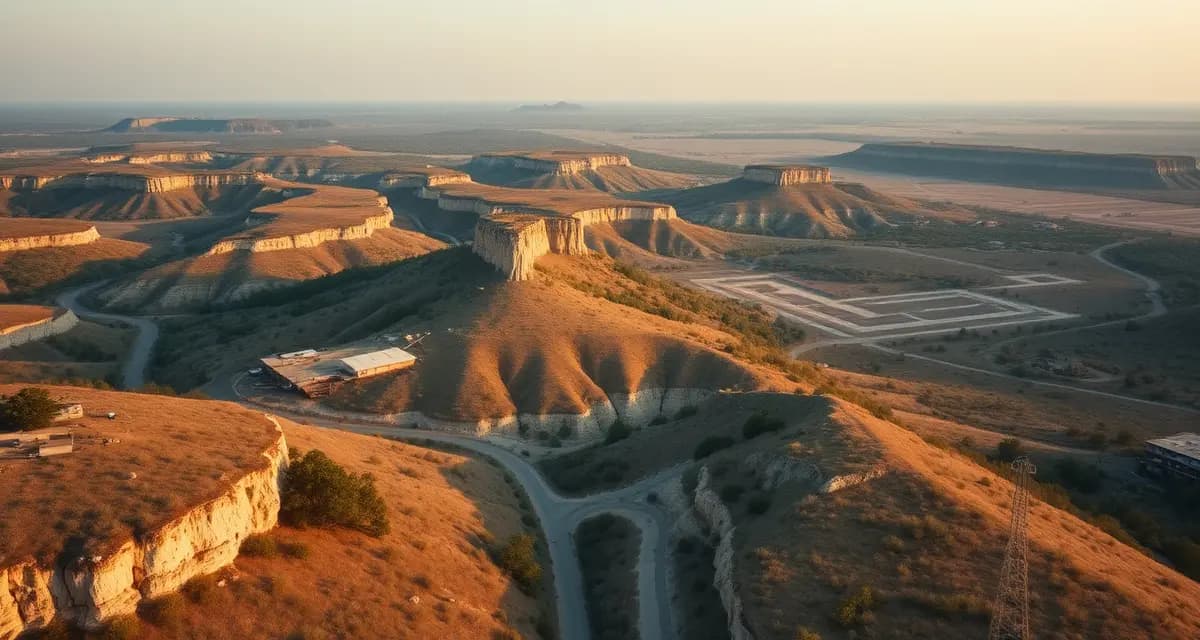
What makes Hill Country OSSF work distinctive is the geology. The Edwards Plateau limestone karst formation underlies most of the region. Karst is characterized by fractured rock, sinkholes, caves, and underground drainage pathways. Effluent can move rapidly through karst fractures to groundwater, including the Edwards Aquifer, which supplies drinking water for San Antonio and surrounding communities.
TCEQ's rules for karst areas require site-specific evaluation and, in most cases, systems with higher treatment standards than a conventional drainfield provides. The result is that aerobic treatment units (ATUs), spray irrigation systems, and low-pressure dosing systems dominate Hill Country installations in a way you don't see in most Texas markets.
County-Level OSSF Variation
Hays County (Kyle, Wimberley, Dripping Springs) has some of the most active OSSF permit volumes in the state as Austin metro sprawl pushes south and west. Hays County's proximity to the Edwards Aquifer Recharge Zone means many properties trigger recharge zone-specific requirements.
Comal County (New Braunfels, Canyon Lake) combines rapid growth with notable Edwards Aquifer contributing zone coverage. Canyon Lake-area properties often deal with karst site conditions that require individual site evaluation before system type can be determined.
Kerr County (Kerrville) has a more rural character but active OSSF permit activity from new rural residential development. Kerr County administers its own OSSF program under TCEQ delegation.
Gillespie County (Fredericksburg) has seen notable tourism and short-term rental development that drives OSSF permit demand for commercial and high-use properties in an area with karst conditions throughout.
Alternative Systems and Maintenance Contracts
Because ATU systems dominate Hill Country work, maintenance contract management is central to operating in this market. TCEQ requires permitted maintenance providers to service ATU systems under contract, with service records submitted to the local implementing authority.
That maintenance contract requirement (and the associated reporting obligations) is where generic field service tools fall short. SepticMind's alternative septic system management software tracks ATU maintenance intervals, records service visit outcomes, and maintains the documentation that TCEQ-required maintenance contracts demand.
The county permit requirements for septic page covers how delegated authority programs create county-level variation within statewide frameworks, directly applicable to Texas Hill Country's multi-county OSSF landscape.
Get Started with SepticMind
Operating in Texas means navigating county-level variation in permit requirements, inspection formats, and reporting deadlines. SepticMind's permit database covers Texas counties with forms, fee schedules, and timelines so you are prepared before you apply. See how it supports compliance in your service area.
Frequently Asked Questions
What TCEQ OSSF rules apply to karst geology areas of Texas Hill Country?
TCEQ's 30 TAC Chapter 285 rules require site-specific soil and geologic evaluation before system type selection. In karst areas, conventional drainfield systems are typically not approvable because of the risk of rapid contaminant transport to groundwater through rock fractures. Properties in the Edwards Aquifer Recharge Zone face additional TCEQ rules and Edwards Aquifer Authority permit requirements. Most Hill Country karst sites end up with aerobic treatment unit systems using spray irrigation or subsurface drip dispersal. The local implementing authority (the county OSSF program) makes site-specific determinations, so requirements vary by county and by the specific geologic conditions found during site evaluation.
Which Hill Country counties have the strictest alternative system requirements?
Hays and Comal counties have the most developed OSSF programs due to their rapid growth and proximity to the Edwards Aquifer Recharge Zone. Hays County's OSSF rules include specific requirements for recharge zone properties that exceed TCEQ minimums. Comal County's high volume of ATU systems reflects both the karst geology and the county's active enforcement of maintenance contract requirements. Travis County's western portions (where Austin ETJ extends into karst terrain) also have strict OSSF requirements. Any county within the Edwards Aquifer Authority's jurisdiction adds an additional permit layer beyond the standard TCEQ OSSF process.
Does SepticMind track Texas Hill Country county-specific alternative system permit requirements?
Yes. SepticMind's Texas OSSF compliance templates include county-specific permit documentation requirements for Hill Country counties including Hays, Comal, Kerr, Gillespie, and Blanco. When a job is created for a property in a Hill Country county, the applicable county OSSF program requirements appear alongside the TCEQ statewide framework. For ATU systems (which dominate Hill Country work) SepticMind tracks the maintenance contract documentation, service interval requirements, and reporting obligations that TCEQ and local implementing authorities require. This prevents the compliance gaps that occur when companies use generic tools without built-in OSSF tracking.
What state agency regulates septic systems in Texas?
Septic system regulation in Texas falls under the state environmental or health agency, with day-to-day enforcement handled by county health departments or environmental offices. Licensing for pumping, installation, and inspection work is issued at the state level, but permit applications for individual projects are reviewed at the county level. Contact both the state agency and your specific county office to confirm current requirements, since county rules can differ from the state baseline.
Do Texas septic inspection reports need to be filed with the county?
In Texas, most inspection reports for real estate transactions and O&M permit systems must be filed with the relevant county health department or environmental office within the timeframe specified by state regulation. The required form and filing timeline vary by report type; real estate inspection reports typically have stricter deadlines than routine O&M reports. Using state-standardized digital report templates ensures the format meets Texas's requirements and can be submitted electronically.
Try These Free Tools
Sources
- National Onsite Wastewater Recycling Association (NOWRA)
- US EPA Office of Wastewater Management
- NSF International
- Water Environment Federation
- National Environmental Services Center (NESC)