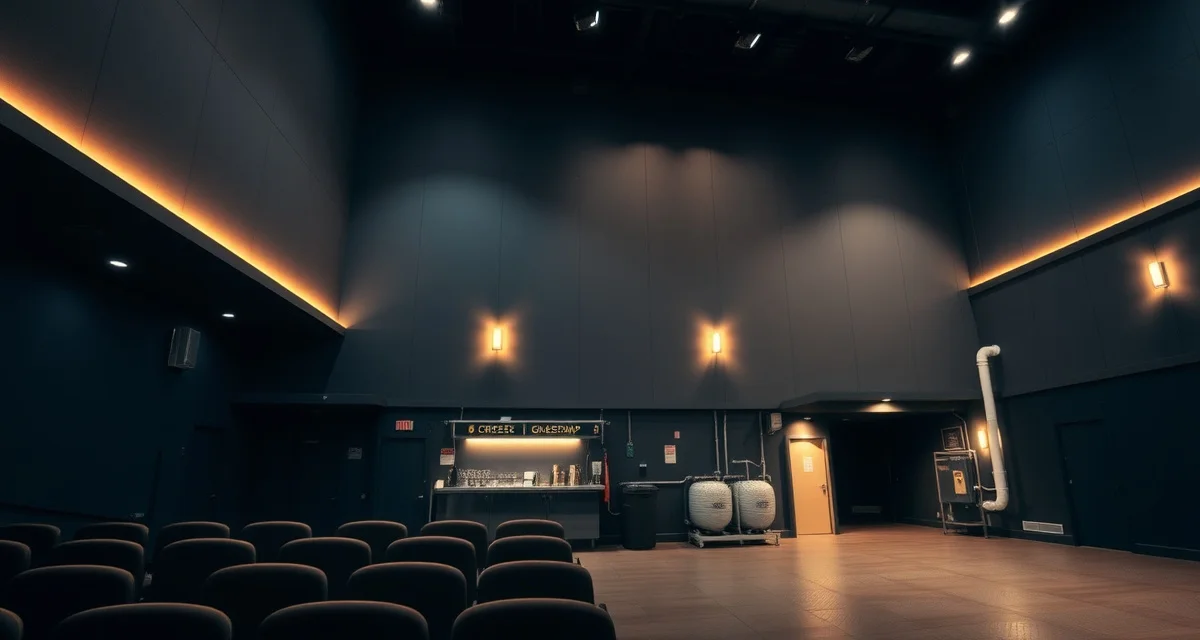
Septic Service for Theaters and Performance Venues
By the SepticMind Editorial Team
A theater's wastewater profile is uniquely tied to its production calendar. A dark theater generates almost no wastewater. A sold-out run of 200+ performances over eight weeks generates the equivalent of a busy restaurant every night. Theater concession service during show runs creates food service septic loads requiring scheduled management, and a septic failure during a sold-out run creates patron complaints and potential forced closure that can derail an entire production.
TL;DR
- Theaters facilities have distinct wastewater loading patterns that affect septic system sizing, service frequency, and permit requirements.
- Commercial and institutional properties like theaters typically require more frequent pumping than residential systems due to higher daily usage.
- Some theaters operations generate waste streams (grease, chemicals, or high-volume flow) that require pre-treatment before reaching the septic system.
- Service contracts for theaters provide predictable recurring revenue and are easier to manage with a platform that tracks commercial account schedules.
- Health department inspections for theaters properties may require septic system condition documentation as part of facility licensing.
- Septic companies specializing in theaters service build referral networks with property managers, architects, and health inspectors in that niche.
The problem most theaters face isn't that they don't know maintenance matters. It's that septic service gets scheduled around someone's general availability rather than around the production calendar. The fix is calendar-based service scheduling, not generic annual pump-out reminders.
The Theater Wastewater Profile
Theaters produce wastewater from multiple sources that each contribute to the total load:
Concession stands: Popcorn popping, hot dog grills, naisserie-style food service, and beverage dispensing all generate food service wastewater with grease and organic loads. A busy theater concession stand during a 250-seat show is producing food service loads comparable to a small café.
Bar and alcohol service: Many theaters now include full bar service in lobbies or intermission areas. Alcohol service adds to the organic load and, as with sports bars, contributes alcohol byproducts that can affect tank bacterial activity.
Patron restrooms: Large audiences create concentrated restroom use during intermissions and before/after performances. A 250-seat theater with three shows per week has predictable peak restroom load events that can stress an undersized or near-capacity system.
Production facilities: Some theaters with scene shops, costume areas, and production facilities generate additional gray water from costume cleaning, prop washing, and general backstage work.
Production Calendar-Based Scheduling
The right way to manage a theater's septic service is to tie service events to the production calendar:
Pre-production service: Before a new show run begins, especially for extended runs of six weeks or more, schedule a pump-out and inspection. Going into a long run with a tank that's at 60% capacity is a risk. Going in fresh gives you the full run's worth of capacity as a buffer.
Mid-production check: For very long runs or high-attendance productions, a mid-run inspection confirms the system is handling the load as expected.
End-of-season service: Before a summer dark period or other extended production break, service the system so it goes into the quiet period in good condition.
SepticMind's performance venue account type schedules pre-show-run service before extended production periods. The production calendar drives the service calendar, not the other way around.
Concession Stand Grease Management
If your theater has any food service beyond pre-packaged items, you should have a grease trap. Even popcorn butter and hot dog fat add up over a full production run. A grease interceptor between the concession stand drains and the septic tank prevents the single largest cause of premature septic system problems in food-service-adjacent facilities.
Grease traps need their own service schedule. During an active production run, plan for grease trap service at least monthly if concession volume is high.
See the septic service for event venues guide for parallel guidance on event-driven wastewater management, and the septic service for restaurants guide for commercial kitchen wastewater practices.
Compliance for Theater Facilities
Commercial theaters fall under commercial occupancy rules in most jurisdictions. Your county health department treats a 250-seat theater the same as any other large commercial assembly use for septic purposes. Required tank sizing, service intervals, and inspection documentation follow commercial rules, not residential.
If your theater is in a historic building, you may face additional constraints on septic system modifications or expansions. Historic building septic service is an area with its own set of considerations, covered in the septic service for historic properties guide.
Outdoor Theaters and Summer Stock
Outdoor theaters, summer stock operations, and festival-style productions have an additional variable: they may not operate year-round. The on/off seasonal pattern means the system sits dormant for months and then gets hit with full production loads.
Pre-season service before summer stock opens is essential. Don't assume a system that handled last season without a problem is ready for this season without inspection.
Get Started with SepticMind
Theaters facilities need a service provider who understands the specific wastewater challenges of their operations. SepticMind makes it easy to manage commercial service contracts, track inspection schedules, and document service visits for every account in your portfolio. See how it supports commercial account management.
Frequently Asked Questions
How often should a theater with concessions service its septic system?
A theater operating regular shows with concession service should plan for septic service at the beginning of each major production run, with additional service mid-run for extended productions of eight weeks or more. The grease trap serving the concession stand needs more frequent service, typically monthly during active runs. A theater that operates year-round with full concession service needs at minimum annual pump-outs and possibly semi-annual service depending on seat capacity and weekly show count. Dark periods when the theater isn't producing shows can extend the interval somewhat, but don't skip inspection entirely during multi-month production breaks.
What pre-production service is recommended before a theater's extended run?
Before beginning a production run of six weeks or more, schedule a full septic inspection and pump-out. This gives you maximum tank capacity going into the run and identifies any issues that need repair before load increases. Have the grease trap pumped at the same time if it's been more than 30 days since last service. Document the tank condition at the pre-production service so you have a baseline to compare against if a mid-run issue arises. For theaters with bar service, confirm that the volume of alcohol service planned for the run doesn't require a more aggressive mid-run service interval than you'd normally schedule.
Does SepticMind support production-calendar-based septic scheduling for theater accounts?
Yes. SepticMind's performance venue account type links service scheduling to production calendars. You can enter upcoming show run dates and the system generates service reminders based on pre-production, mid-run, and end-of-run timing rather than just generic annual intervals. Grease trap service has its own tracking separate from main tank service. When your production calendar changes, you can update the reminders to reflect extended runs or added shows. Service history for all production periods is stored in the account so you can see how the system performed across multiple seasons.
How often should a septic system serving a theaters property be inspected?
Septic systems at theaters properties should be inspected at least annually and pumped more frequently than residential systems, since commercial-scale daily water usage accelerates sludge and grease accumulation. The exact frequency depends on the specific activities at the facility, peak occupancy, any food service or chemical use on-site, and local regulatory requirements. A service provider familiar with theaters operations can recommend an appropriate inspection and pumping schedule based on the system's actual usage profile.
What septic system issues are most common at theaters properties?
The most common septic problems at theaters properties are rapid sludge accumulation from high occupancy, grease trap failure if food service is involved, hydraulic overloading during peak-use periods, and non-biodegradable waste disposal from cleaning or maintenance activities. Regular inspection and a service contract with clear maintenance intervals are the most effective ways to catch these problems before they cause system failure or regulatory violations.
Try These Free Tools
Sources
- National Onsite Wastewater Recycling Association (NOWRA)
- US EPA Office of Wastewater Management
- NSF International
- Water Environment Federation
- National Environmental Services Center (NESC)