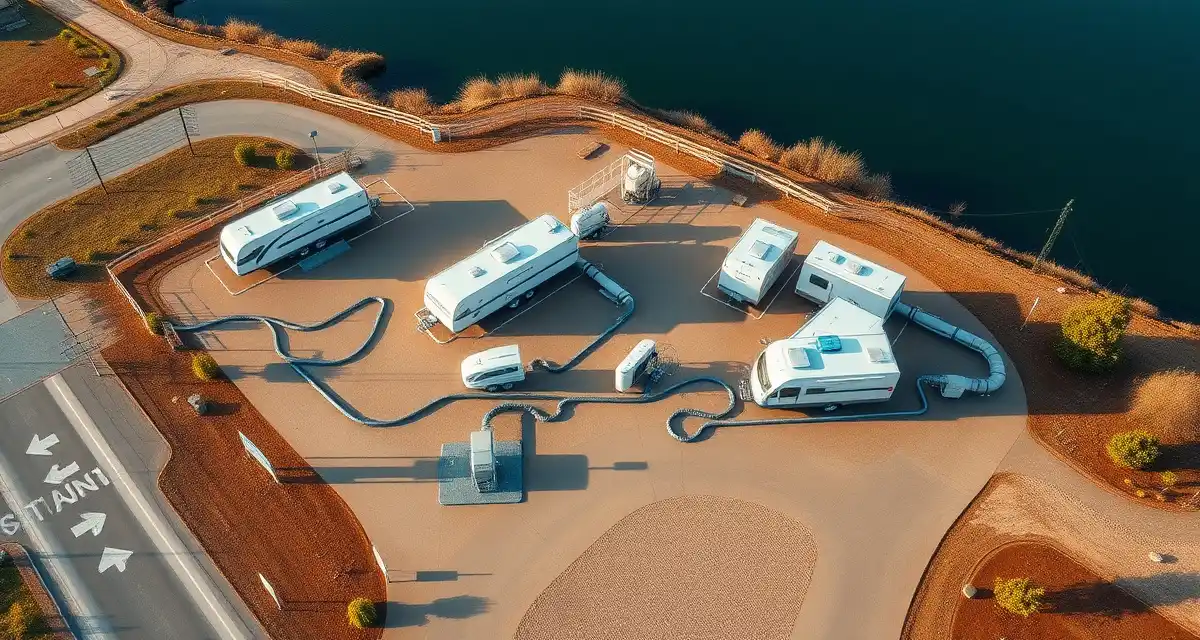
Septic Service for RV Parks and Campground Dump Stations
By the SepticMind Editorial Team
EPA no-discharge zone rules require marinas and RV parks near water to have compliant pump-out stations, and RV park dump stations receive variable loads from multiple vehicle types that must be managed to prevent overflow. An overflowing dump station isn't just an operational problem -- it's an environmental violation that brings regulatory attention and potential fines.
TL;DR
- Rv Parks facilities have distinct wastewater loading patterns that affect septic system sizing, service frequency, and permit requirements.
- Commercial and institutional properties like rv parks typically require more frequent pumping than residential systems due to higher daily usage.
- Some rv parks operations generate waste streams (grease, chemicals, or high-volume flow) that require pre-treatment before reaching the septic system.
- Service contracts for rv parks provide predictable recurring revenue and are easier to manage with a platform that tracks commercial account schedules.
- Health department inspections for rv parks properties may require septic system condition documentation as part of facility licensing.
- Septic companies specializing in rv parks service build referral networks with property managers, architects, and health inspectors in that niche.
SepticMind's RV park account type tracks dump station and campsite septic systems separately, because these two infrastructure types have different load profiles and different service requirements.
How RV Park Septic Infrastructure Works
An RV park typically has two distinct types of septic infrastructure:
Dump stations: Centralized discharge points where RV guests can empty their holding tanks. A dump station receives direct holding tank content -- concentrated waste with much higher solids content than household septic flows. The dump station connects to an on-site treatment system or municipal sewer.
Campsite sewer connections: Full-hookup sites with direct sewer connections allow guests to discharge continuously. These sites create a distributed load across the campground's collection system.
Central facilities: Bathrooms, shower facilities, and laundry rooms that guests who aren't hooked up to site sewer use during their stay.
Each of these contributes differently to the septic load. A park with 50 full-hookup sites, a dump station, and a central bath house has three distinct load sources that need to be factored into service intervals.
Dump Station Service Intervals
Dump stations are the most demanding component of an RV park septic system. The concentrated nature of holding tank content -- which has been sitting in the RV tank for days or weeks before discharge -- means the dump station system accumulates solids faster than most other facility types.
Service interval calculations for dump stations depend on:
Station usage volume: How many vehicles per day are using the station? A campground with 200 sites during peak summer can see 30-50 dump station uses per day. A smaller seasonal park might average 5-10 per day.
Vehicle types: Class A motorhomes typically have larger holding tanks (40-60 gallons black water) than travel trailers (15-30 gallons). A park that attracts larger Class A traffic generates higher per-use volume than one primarily serving tent-camper trailers.
Connected system capacity: What's the capacity of the holding tank or treatment system the dump station feeds? Larger capacity systems can go longer between services; undersized systems need more frequent service regardless of station use volume.
For a busy summer campground, monthly dump station service during peak season is not unusual. Off-season intervals can be extended significantly if usage drops, but don't let the off-season interval lull you into missing a pre-season pump-out before summer opens.
Full-Hookup Site Management
Full-hookup sites with direct sewer connections distribute RV wastewater through the campground's collection system continuously. Unlike dump stations where discharge is concentrated, hookup site loads spread out through the collection infrastructure.
The management considerations for full-hookup sites:
Pipe condition: Sewer connections at individual sites experience wear from repeated connection and disconnection. Leaking connections allow both untreated effluent to escape and groundwater to infiltrate the system. Regular inspection of connection points prevents both contamination and excess infiltration that increases treatment system loads.
Grease accumulation: RVs with kitchen facilities discharge grease through hookup connections. Grease accumulates in the collection system and in holding tanks, accelerating problems if the system isn't sized for kitchen wastewater loading.
Seasonal capacity calculation: Calculate total connected site capacity at full occupancy and compare it to your treatment system capacity. A park where 50 full-hookup sites plus a dump station plus a central bathhouse all operate simultaneously at peak summer occupancy may generate loads that exceed what was sized when only the bathhouse was in the original septic design.
EPA No-Discharge Zone Requirements
RV parks located within EPA-designated no-discharge zones -- primarily near navigable waters and protected watersheds -- face stricter requirements:
Compliant dump station requirement: In no-discharge zones, the RV park must provide a compliant pump-out facility. Guests are prohibited from dumping holding tanks anywhere on the property except at the compliant station. The station itself must connect to an approved treatment or disposal system.
Treatment standards: No-discharge zones often have higher treatment standards for any discharge, which may require the park's treatment system to meet enhanced performance standards.
Documentation: EPA no-discharge zone compliance requires documentation of pump-out station operation and maintenance. Service records from SepticMind provide this documentation in the format regulators expect.
For RV parks near navigable water, consult with your state's environmental agency about the specific no-discharge zone requirements that apply to your location before assuming your current setup meets the standard.
Seasonal Opening and Closing
Most RV parks operate on a seasonal basis, and the pre-season and post-season service events are as critical here as at campgrounds and summer camps:
Pre-season service: Pump dump stations and holding tanks before the park opens. Inspect all sewer connection infrastructure at full-hookup sites. Check central bathhouse systems. Document condition before guests arrive.
Mid-season assessment: During peak season, monitor dump station usage and watch for signs of system stress -- slow drainage at the dump station, gurgling in the bathhouse sewer lines, wet or lush areas over drainfield zones. Schedule additional service if these signs appear before a failure develops.
Post-season service: After the park closes, pump systems down before winter. Inspect and document condition for the off-season record. Winterize water infrastructure at the same time as septic work to coordinate access.
Get Started with SepticMind
Rv Parks facilities need a service provider who understands the specific wastewater challenges of their operations. SepticMind makes it easy to manage commercial service contracts, track inspection schedules, and document service visits for every account in your portfolio. See how it supports commercial account management.
Frequently Asked Questions
What compliance requirements apply to RV park dump stations and campground septic?
RV park dump stations must be connected to an approved treatment system -- municipal sewer, on-site septic, or an approved holding tank serviced by a licensed hauler. In EPA no-discharge zones near navigable waters, the park must provide a compliant dump station as a condition of operation, and the station must meet the no-discharge zone's treatment standards. State environmental agencies regulate both the treatment system serving the dump station and any campsite hookup collection systems. Health departments may have separate oversight of the central bathroom and shower facilities. Most jurisdictions require that the dump station and connected systems be maintained by a licensed septic service provider and that service records be retained for regulatory inspection.
How often should an RV park with 50 sites service its dump station and central septic?
An RV park with 50 sites operating at high occupancy during a summer season should plan for dump station service monthly during peak season and quarterly during shoulder seasons. Central bathhouse septic follows the same commercial-facility service interval calculation: figure daily user volume, multiply by the peak occupancy period, and calculate service frequency from the tank's capacity relative to incoming volume. As a baseline, a busy 50-site park typically needs dump station service every 4-6 weeks during peak season and central facility service every 2-3 months. These are starting points -- monitor actual fullness levels at each service visit and adjust intervals based on observed filling rates.
Does SepticMind track dump station service separately from campsite septic service?
Yes. SepticMind's RV park account type maintains separate facility records for the dump station, each area of full-hookup sewer connections, and central restroom and shower facilities. Each facility has its own service schedule, service history, and condition notes. When dump station usage increases during peak season and the service interval needs to shorten, that schedule adjustment is made for the dump station record without affecting the interval for other facilities. For no-discharge zone compliance documentation, SepticMind generates service history reports for the dump station specifically, showing regulators that the station has been maintained at the required standard.
How often should a septic system serving a rv parks property be inspected?
Septic systems at rv parks properties should be inspected at least annually and pumped more frequently than residential systems, since commercial-scale daily water usage accelerates sludge and grease accumulation. The exact frequency depends on the specific activities at the facility, peak occupancy, any food service or chemical use on-site, and local regulatory requirements. A service provider familiar with rv parks operations can recommend an appropriate inspection and pumping schedule based on the system's actual usage profile.
What septic system issues are most common at rv parks properties?
The most common septic problems at rv parks properties are rapid sludge accumulation from high occupancy, grease trap failure if food service is involved, hydraulic overloading during peak-use periods, and non-biodegradable waste disposal from cleaning or maintenance activities. Regular inspection and a service contract with clear maintenance intervals are the most effective ways to catch these problems before they cause system failure or regulatory violations.
Try These Free Tools
Sources
- National Onsite Wastewater Recycling Association (NOWRA)
- US EPA Office of Wastewater Management
- NSF International
- Water Environment Federation
- National Environmental Services Center (NESC)