Septic Service for Composting and Organic Waste Processing Facilities
By the SepticMind Editorial Team
Compost facility leachate is high-strength waste that cannot enter conventional septic systems without treatment. Composting and organic waste processing operations generate leachate with characteristics that are fundamentally incompatible with standard onsite septic infrastructure, and EPA and state environmental agencies regulate composting facility leachate as a potential pollutant.
TL;DR
- Organic Waste Facilities facilities have distinct wastewater loading patterns that affect septic system sizing, service frequency, and permit requirements.
- Commercial and institutional properties like organic waste facilities typically require more frequent pumping than residential systems due to higher daily usage.
- Some organic waste facilities operations generate waste streams (grease, chemicals, or high-volume flow) that require pre-treatment before reaching the septic system.
- Service contracts for organic waste facilities provide predictable recurring revenue and are easier to manage with a platform that tracks commercial account schedules.
- Health department inspections for organic waste facilities properties may require septic system condition documentation as part of facility licensing.
- Septic companies specializing in organic waste facilities service build referral networks with property managers, architects, and health inspectors in that niche.
Understanding the distinction between the employee septic system and the compost facility's process wastewater is the foundation of compliance for organic waste processors.
What Is Compost Leachate?
Composting produces leachate when water passes through composting organic material and carries dissolved organic compounds, nutrients, and pathogens. The characteristics of compost leachate:
Very high BOD (Biological Oxygen Demand): Compost leachate BOD can be 10,000-100,000 mg/L or higher. For comparison, standard domestic wastewater has BOD of 200-300 mg/L. Compost leachate is 30-500x more concentrated in organic load than typical sewage.
High ammonia: Composting protein-rich materials releases ammonia. High ammonia in leachate can inhibit the biological processes in septic systems and groundwater.
Pathogens: Improperly composted material or leachate from early composting stages may contain pathogens from the source organic waste.
Variable chemistry: Leachate chemistry varies significantly based on what's being composted (food waste, yard waste, biosolids, mixed organic waste) and how far along the composting process is.
A conventional onsite septic system is not designed to handle any of these characteristics. Sending compost leachate to a standard septic tank and drainfield will overwhelm the system quickly and create groundwater quality problems.
EPA and State Regulatory Framework
Composting facility leachate is regulated under multiple frameworks:
EPA Clean Water Act: Leachate that reaches surface waters or affects groundwater quality is regulated under CWA. Operations above certain size thresholds may need NPDES permits for any discharges.
State environmental programs: Most states have composting facility regulations that address leachate management as a specific operational requirement. State environmental agencies may require:
- Lined composting pads to contain leachate
- Leachate collection systems
- Approved leachate treatment or disposal methods
- Monitoring wells for groundwater quality
Solid waste regulations: Composting facilities may be regulated under state solid waste management programs, which include leachate management requirements.
SepticMind's organic waste facility account type documents leachate management compliance requirements alongside standard employee septic service records.
The Separation Principle: Employee Facilities vs. Process Areas
The fundamental management principle for composting facilities is complete separation of wastewater streams:
Employee sanitation gray water: Goes to the conventional onsite septic system. Restrooms, break room, administrative office, and cleaning facilities that aren't contaminated by composting operations. Managed per standard commercial facility rules.
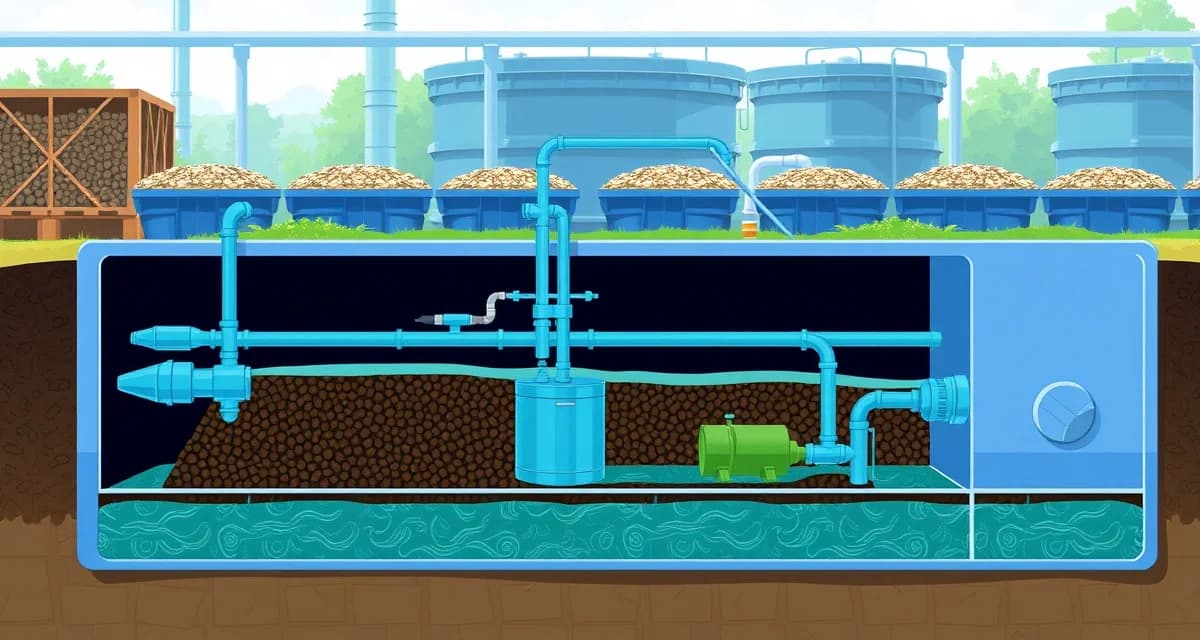
Compost leachate: Must be managed through an approved leachate management system. Options vary by state and operation size, but include leachate collection tanks (pumped periodically by licensed waste haulers), treatment through constructed wetlands or engineered systems, or recirculation back into the composting process (for appropriate facility types).
Process area wash water: Cleaning of composting equipment, pads, and work areas generates wash water with high organic content. This is leachate-like in character and should not go to the employee septic system.
If your facility doesn't currently have clear physical separation between these wastewater streams, creating that separation is a compliance priority. Aerobic treatment unit and engineered system options for leachate management are covered in the alternative system management guide.
Get Started with SepticMind
Organic Waste Facilities facilities need a service provider who understands the specific wastewater challenges of their operations. SepticMind makes it easy to manage commercial service contracts, track inspection schedules, and document service visits for every account in your portfolio. See how it supports commercial account management.
Frequently Asked Questions
What wastewater compliance applies to composting and organic waste processing facilities?
Composting facilities face wastewater compliance primarily around leachate management. EPA Clean Water Act requirements apply if leachate reaches surface waters or groundwater. State environmental programs regulate composting facility operations including leachate containment and disposal, typically requiring lined composting areas, leachate collection, and approved disposal or treatment methods. Employee sanitation gray water follows standard county commercial facility rules through a conventional onsite septic system. The key compliance obligation is ensuring leachate is physically separated from the employee septic system and managed through an approved leachate management approach.
Can composting facility leachate enter a conventional onsite septic system?
No. Compost leachate has BOD concentrations 30-500 times higher than typical domestic wastewater and very high ammonia levels. A conventional septic tank receiving significant leachate volumes will quickly become overloaded, losing its ability to function as a treatment system. The high-strength organic waste will overwhelm the tank and begin passing to the drainfield largely untreated, causing rapid biomat formation and drainfield failure. Additionally, high-nitrogen leachate in a drainfield creates groundwater quality concerns for nearby wells. Leachate must be managed through a separate, approved system rather than through the employee septic infrastructure.
Does SepticMind track leachate management compliance for organic waste facility accounts?
Yes. SepticMind's organic waste facility account type maintains separate records for the employee septic system and for the compost leachate management system. Employee septic service history tracks on standard commercial service intervals. Leachate management documentation captures the applicable state environmental compliance framework, permits, and management approach. When state environmental inspectors review facility operations, organized documentation for both systems is immediately accessible. For composting operations that also receive food waste under state food waste programs, additional compliance documentation requirements can be captured in the account alongside standard septic and leachate management records.
How often should a septic system serving a organic waste facilities property be inspected?
Septic systems at organic waste facilities properties should be inspected at least annually and pumped more frequently than residential systems, since commercial-scale daily water usage accelerates sludge and grease accumulation. The exact frequency depends on the specific activities at the facility, peak occupancy, any food service or chemical use on-site, and local regulatory requirements. A service provider familiar with organic waste facilities operations can recommend an appropriate inspection and pumping schedule based on the system's actual usage profile.
What septic system issues are most common at organic waste facilities properties?
The most common septic problems at organic waste facilities properties are rapid sludge accumulation from high occupancy, grease trap failure if food service is involved, hydraulic overloading during peak-use periods, and non-biodegradable waste disposal from cleaning or maintenance activities. Regular inspection and a service contract with clear maintenance intervals are the most effective ways to catch these problems before they cause system failure or regulatory violations.
Try These Free Tools
Sources
- National Onsite Wastewater Recycling Association (NOWRA)
- US EPA Office of Wastewater Management
- NSF International
- Water Environment Federation
- National Environmental Services Center (NESC)