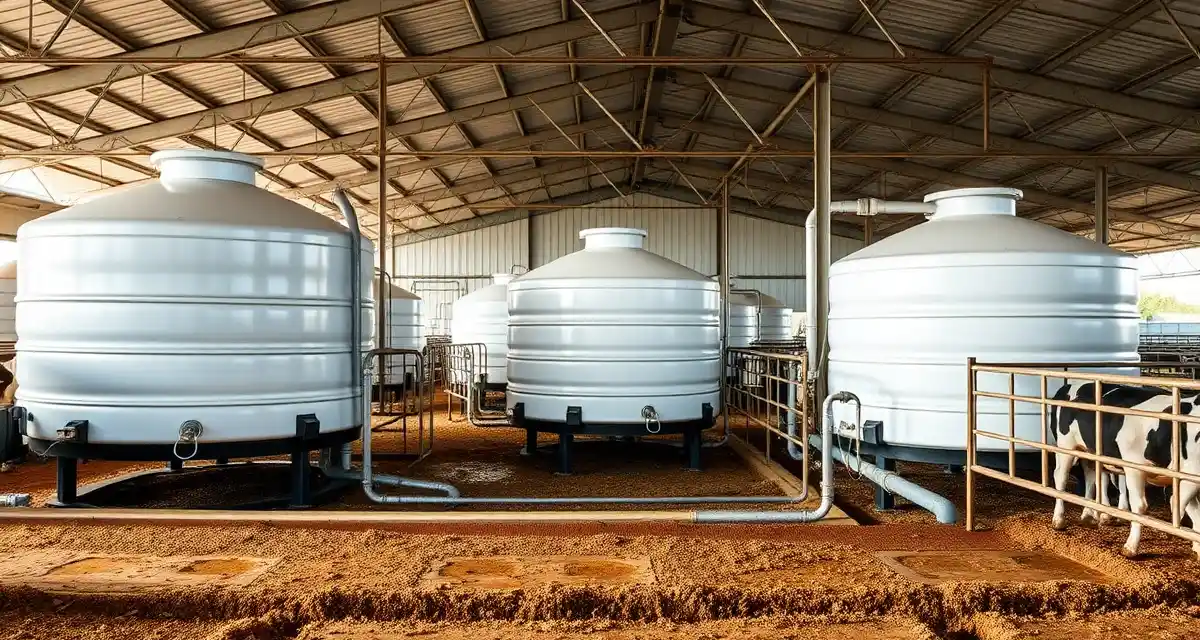
Septic Service for Livestock Auction Houses and Sale Barns
By the SepticMind Editorial Team
Livestock auction facility wastewater contains animal waste requiring agricultural wastewater permits in most states, and state departments of agriculture regulate wastewater from livestock auction and sale barn operations. Running a livestock auction without proper wastewater management isn't just a maintenance oversight. It's an agricultural regulatory compliance failure that can affect your ability to conduct auctions.
TL;DR
- Livestock Auction facilities have distinct wastewater loading patterns that affect septic system sizing, service frequency, and permit requirements.
- Commercial and institutional properties like livestock auction typically require more frequent pumping than residential systems due to higher daily usage.
- Some livestock auction operations generate waste streams (grease, chemicals, or high-volume flow) that require pre-treatment before reaching the septic system.
- Service contracts for livestock auction provide predictable recurring revenue and are easier to manage with a platform that tracks commercial account schedules.
- Health department inspections for livestock auction properties may require septic system condition documentation as part of facility licensing.
- Septic companies specializing in livestock auction service build referral networks with property managers, architects, and health inspectors in that niche.
The Livestock Auction Wastewater Picture
Livestock auction facilities generate biological waste from multiple sources:
Animal holding areas: Pens and holding areas where animals wait before sale accumulate manure and urine. Washing down these areas generates wastewater with very high biological oxygen demand (BOD) and pathogen loads.
Loading and unloading docks: Livestock loading areas collect manure from animals being loaded and unloaded. These areas need regular washing.
Animal handling areas: Alleyways, sorting pens, and weigh scales accumulate manure during sale day operations.
Public restrooms: Auction sales attract buyers, sellers, and observers. Restroom facilities for this public traffic are a standard commercial load.
Food service: Sale barn cafeterias and snack bars are a tradition at livestock auctions. These add food service loads comparable to a small restaurant.
The dominant wastewater concern is not the public restroom load. It's the animal waste management from the auction facility's agricultural operations.
Agricultural Wastewater Permits
Most states require permits for agricultural operations that generate manure and animal waste above certain thresholds. Livestock auction facilities typically exceed these thresholds on sale days when dozens to hundreds of animals may pass through the facility.
State department of agriculture requirements may include:
- Agricultural waste management permits
- Manure storage and disposal permits
- Nutrient management plans if manure or wash water is land-applied
- Water quality protection plans for facilities near waterways
SepticMind's livestock facility account type documents agricultural wastewater compliance requirements alongside standard septic service records for the public facilities portion of the operation.
Separating Animal Waste From Public Facility Wastewater
The management principle for livestock auction facilities is clear separation of wastewater streams:
Public restroom and food service wastewater: Goes to a commercial-grade onsite septic system sized for the public occupancy on sale day. This is a standard commercial load and is managed under county health department commercial facility rules.
Animal area wash water: Must be managed through an approved agricultural waste management system. Options include:
- Manure storage lagoons with land application programs
- Concrete collection areas with liquid manure hauling
- Constructed settling systems
- Connection to municipal treatment if available and accepted
Routing animal wash water to the public restroom septic system will overwhelm it rapidly. The organic and pathogen loads from animal waste are categorically different from human gray water and require separate management.
Sale Day Peak Loading
Livestock auction facilities have highly variable occupancy. A typical sale barn may have:
- Quiet weekdays with just staff on site (minimal wastewater load)
- Sale day with hundreds of buyers and sellers plus dozens to hundreds of animals (peak load)
Service intervals for the public restroom system should account for sale day peak loads, not just weekday averages. A sale barn conducting weekly auctions with 200+ attendees is generating restaurant-scale loads from the public side on those sale days.
For dairy farms and farms with similar agricultural wastewater management requirements, comparable separation and permit frameworks apply.
Get Started with SepticMind
Managing service contracts for livestock auction properties is easier with a platform built for the septic trade. SepticMind tracks commercial service schedules, documents every inspection visit, and keeps your compliance records organized by property. See how it handles your commercial account portfolio.
Frequently Asked Questions
What wastewater compliance applies to livestock auction facility septic systems?
Livestock auction facilities face compliance from two directions. The public restroom and food service facilities are subject to county health department commercial facility septic rules: proper permits, appropriate sizing for public occupancy, and regular maintenance. Animal holding area and dock wash water is subject to state department of agriculture agricultural waste management requirements, typically including agricultural waste permits and nutrient management plans if wash water is land-applied. The two wastewater streams must be managed separately. Routing animal waste wash water to the public restroom septic system is not compliant with either agricultural permits or county septic rules.
How often should a livestock auction's onsite wastewater system be serviced?
The public restroom and food service septic system at a livestock auction should be serviced based on sale day peak occupancy rather than average daily occupancy. A weekly sale attracting 200+ buyers and sellers is generating significant public facility loads. Annual pump-outs are appropriate for most properly sized public facility systems. The animal waste management system has its own service requirements based on the management approach used: lagoons need periodic pump-outs, constructed settling systems need regular maintenance, and any storage tanks need pump-outs before capacity is reached. Both systems need documented service records for agricultural and county health compliance.
Does SepticMind track agricultural wastewater compliance for livestock auction accounts?
Yes. SepticMind's livestock facility account type maintains separate records for the public restroom and food service septic system and for the agricultural waste management system, each with its own compliance framework and service schedule. Agricultural permits, nutrient management plan status, and state department of agriculture compliance requirements are documented alongside county septic compliance records. When state agricultural inspectors or county health inspectors review the facility, complete documentation for both systems is immediately accessible. For auction companies operating multiple sale barn locations, all facilities can be tracked under a single account.
How often should a septic system serving a livestock auction property be inspected?
Septic systems at livestock auction properties should be inspected at least annually and pumped more frequently than residential systems, since commercial-scale daily water usage accelerates sludge and grease accumulation. The exact frequency depends on the specific activities at the facility, peak occupancy, any food service or chemical use on-site, and local regulatory requirements. A service provider familiar with livestock auction operations can recommend an appropriate inspection and pumping schedule based on the system's actual usage profile.
What septic system issues are most common at livestock auction properties?
The most common septic problems at livestock auction properties are rapid sludge accumulation from high occupancy, grease trap failure if food service is involved, hydraulic overloading during peak-use periods, and non-biodegradable waste disposal from cleaning or maintenance activities. Regular inspection and a service contract with clear maintenance intervals are the most effective ways to catch these problems before they cause system failure or regulatory violations.
Try These Free Tools
Sources
- National Onsite Wastewater Recycling Association (NOWRA)
- US EPA Office of Wastewater Management
- NSF International
- Water Environment Federation
- National Environmental Services Center (NESC)