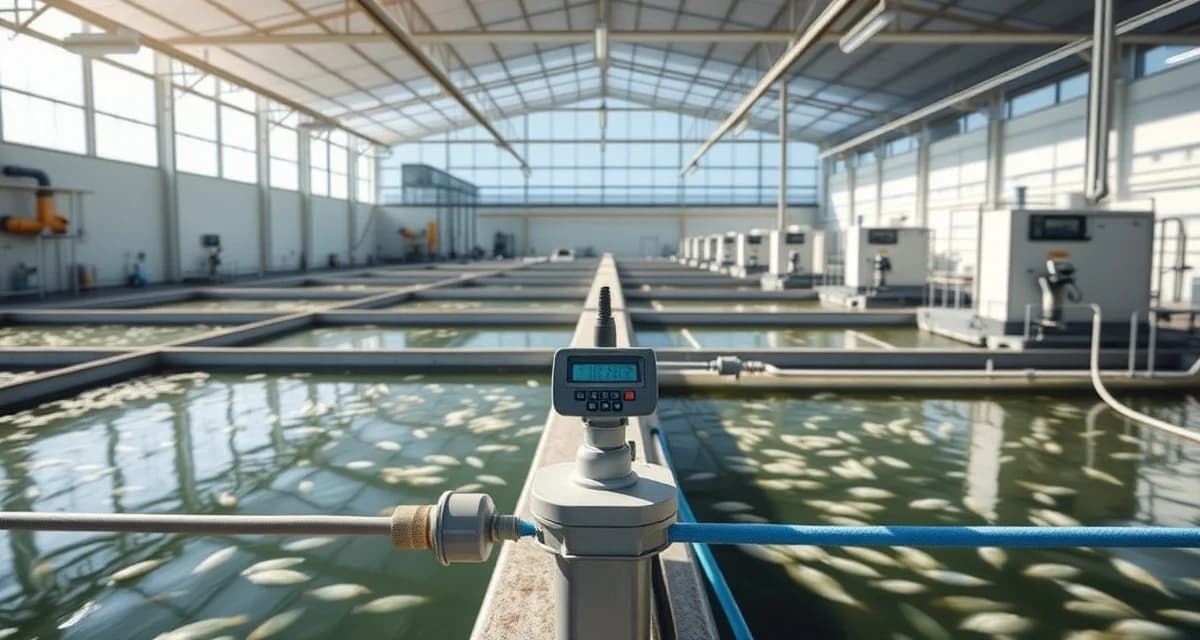
Septic Service for Fish Farms and Aquaculture Operations
By the SepticMind Editorial Team
Aquaculture wastewater contains high ammonia and nitrogen loads that can overwhelm conventional drainfields, and EPA and state environmental agencies regulate aquaculture wastewater disposal under Clean Water Act permits. Fish farming on private property involves wastewater streams that are categorically different from standard residential or commercial gray water, and managing them through a standard onsite septic system is usually not the right approach.
TL;DR
- Fish Farms facilities have distinct wastewater loading patterns that affect septic system sizing, service frequency, and permit requirements.
- Commercial and institutional properties like fish farms typically require more frequent pumping than residential systems due to higher daily usage.
- Some fish farms operations generate waste streams (grease, chemicals, or high-volume flow) that require pre-treatment before reaching the septic system.
- Service contracts for fish farms provide predictable recurring revenue and are easier to manage with a platform that tracks commercial account schedules.
- Health department inspections for fish farms properties may require septic system condition documentation as part of facility licensing.
- Septic companies specializing in fish farms service build referral networks with property managers, architects, and health inspectors in that niche.
The Nitrogen Challenge at Fish Farms
Fish produce ammonia as their primary metabolic waste product. In intensive aquaculture systems, ammonia concentrations in system water build up rapidly and must be managed to maintain fish health. When that ammonia-rich water is discharged or drains from the system, it brings a high nitrogen load that conventional septic drainfields are not designed to handle.
The specific concerns:
Ammonia toxicity to drainfield biology: High ammonia concentrations can inhibit the nitrification processes in drainfield soil that convert ammonium to less toxic forms. This impairs drainfield function over time.
Nitrate leaching: Even if ammonia is converted, the resulting nitrate moves readily through soil to groundwater. Aquaculture effluent with high nitrogen concentrations can contaminate drinking water wells near the property.
High BOD (Biological Oxygen Demand): Aquaculture wastewater from fish ponds and tanks has high BOD from dissolved organic matter, uneaten feed, fish feces, and other organic material. High-BOD water challenges conventional drainfield absorption.
Pathogen loading: Aquaculture systems may harbor fish pathogens and, in some operations, zoonotic pathogens that raise environmental health concerns.
EPA Clean Water Act Permits for Aquaculture
EPA regulates aquaculture discharges under the Clean Water Act's NPDES (National Pollutant Discharge Elimination System) permit program. The Concentrated Aquatic Animal Production (CAAP) effluent guidelines apply to operations above certain production thresholds.
Operations that discharge:
- 20,000+ pounds of food fish per year, or
- Use 5,000+ pounds of food at certain facility types
May need a NPDES CAAP permit. But even operations below the NPDES threshold may face state water quality standards if their discharge reaches surface waters or affects groundwater.
Key question for fish farm operators: does your aquaculture system's effluent reach any surface water or could it reach groundwater through your disposal system? If yes, your state environmental agency needs to be involved in your wastewater management plan.
SepticMind's aquaculture account type documents high-nitrogen load considerations for service scheduling and tracks EPA and state compliance requirements.
Onsite Wastewater for Fish Farm Employee Facilities
The one component of a fish farm that's handled by a conventional onsite septic system is the employee facilities: restrooms, break room, and administrative office gray water. This stream is standard commercial wastewater with no aquaculture-specific characteristics.
The employee septic system should be entirely separate from any aquaculture water management. Routes that mix employee gray water with aquaculture effluent create a more complex wastewater stream that may require more sophisticated treatment.
Get Started with SepticMind
Fish Farms facilities need a service provider who understands the specific wastewater challenges of their operations. SepticMind makes it easy to manage commercial service contracts, track inspection schedules, and document service visits for every account in your portfolio. See how it supports commercial account management.
Frequently Asked Questions
What wastewater compliance requirements apply to fish farms and aquaculture operations?
Fish farms and aquaculture operations face wastewater compliance from EPA's Clean Water Act NPDES program (if above production thresholds for CAAP permits), state environmental agencies governing water quality, and county health departments for any onsite septic systems. Aquaculture effluent with high ammonia, nitrate, and BOD concentrations is subject to water quality standards that protect surface water and groundwater. Operations that discharge to surface waters typically need NPDES CAAP permits. Even operations without direct surface water discharge face state environmental requirements if their effluent management could affect groundwater. Employee sanitation wastewater follows standard county septic rules.
How do aquaculture wastewater loads affect onsite septic system service intervals?
Aquaculture effluent should not enter a conventional onsite septic system. The high nitrogen, ammonia, and BOD loads from fish farm wastewater will impair drainfield function, accelerate clogging, and create groundwater nitrogen contamination. Employee facilities gray water can be managed by a conventional septic system on standard commercial service intervals based on employee count. The aquaculture wastewater component needs a separate, approved management approach: settling ponds, constructed wetlands, recirculating systems, or land application under an appropriate state permit. Mixing aquaculture effluent with employee gray water in a single conventional septic system creates compliance problems that become more serious over time.
Does SepticMind track nitrogen load compliance for aquaculture facility accounts?
Yes. SepticMind's aquaculture account type captures the regulatory framework applicable to the aquaculture operation alongside the employee facility's standard septic compliance requirements. The account distinguishes between the employee sanitation system and any aquaculture wastewater management systems, maintaining separate records for each. EPA NPDES permit compliance documentation can be noted alongside county septic maintenance records. For operations with multiple production ponds or tank systems, each major wastewater management component has its own record. Service history is stored in a format suitable for EPA NPDES permit compliance reviews and state environmental agency inspections.
How often should a septic system serving a fish farms property be inspected?
Septic systems at fish farms properties should be inspected at least annually and pumped more frequently than residential systems, since commercial-scale daily water usage accelerates sludge and grease accumulation. The exact frequency depends on the specific activities at the facility, peak occupancy, any food service or chemical use on-site, and local regulatory requirements. A service provider familiar with fish farms operations can recommend an appropriate inspection and pumping schedule based on the system's actual usage profile.
What septic system issues are most common at fish farms properties?
The most common septic problems at fish farms properties are rapid sludge accumulation from high occupancy, grease trap failure if food service is involved, hydraulic overloading during peak-use periods, and non-biodegradable waste disposal from cleaning or maintenance activities. Regular inspection and a service contract with clear maintenance intervals are the most effective ways to catch these problems before they cause system failure or regulatory violations.
Try These Free Tools
Sources
- National Onsite Wastewater Recycling Association (NOWRA)
- US EPA Office of Wastewater Management
- NSF International
- Water Environment Federation
- National Environmental Services Center (NESC)