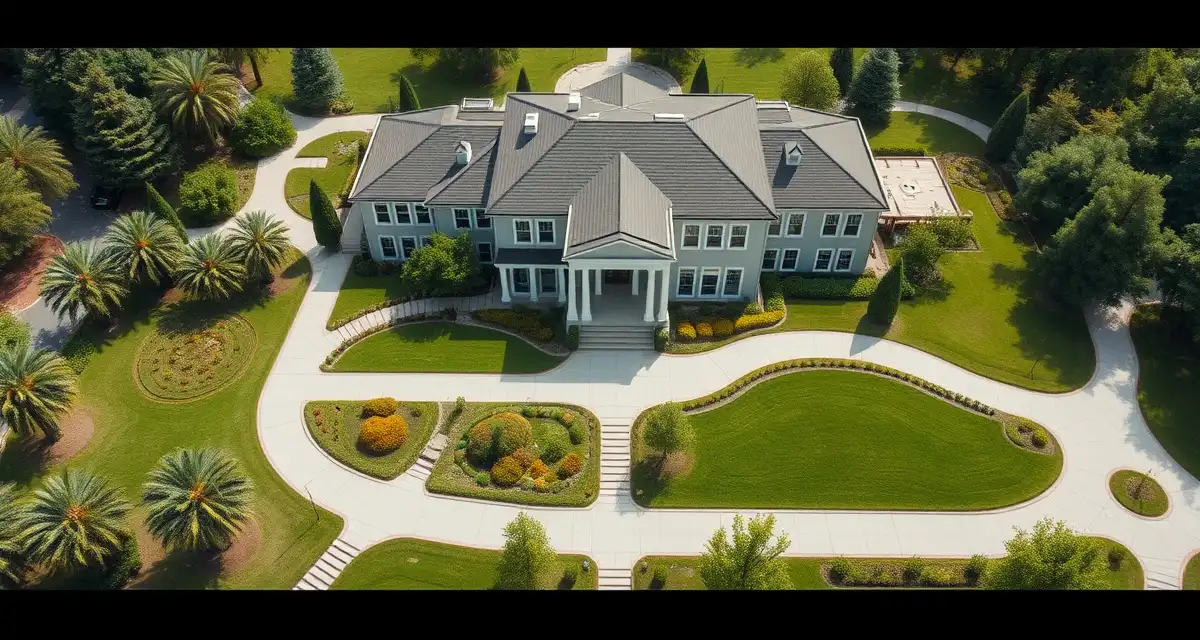
Septic Service for Executive Retreat and Conference Centers
By the SepticMind Editorial Team
Executive retreat and conference centers set a different standard than most commercial properties. The guests are executives and senior leaders who are paying premium rates for a premium experience. Executive retreat facilities cannot accept service disruptions; proactive septic management is non-negotiable. A septic failure at an executive conference creates brand damage affecting future bookings, and that damage is hard to undo in a market where facilities compete on reputation.
TL;DR
- Executive Retreats facilities have distinct wastewater loading patterns that affect septic system sizing, service frequency, and permit requirements.
- Commercial and institutional properties like executive retreats typically require more frequent pumping than residential systems due to higher daily usage.
- Some executive retreats operations generate waste streams (grease, chemicals, or high-volume flow) that require pre-treatment before reaching the septic system.
- Service contracts for executive retreats provide predictable recurring revenue and are easier to manage with a platform that tracks commercial account schedules.
- Health department inspections for executive retreats properties may require septic system condition documentation as part of facility licensing.
- Septic companies specializing in executive retreats service build referral networks with property managers, architects, and health inspectors in that niche.
The practical implication: executive conference centers need a systematic, calendar-driven maintenance program, not reactive service.
What Makes Executive Conference Center Wastewater Demanding
The combination of services offered at executive retreat facilities creates a higher-than-average wastewater load:
Fine dining kitchen operations: Conference centers competing for executive business offer high-end food service. Full-service kitchens preparing multiple meals per day for groups of 40-200 generate restaurant-scale grease and food waste. Without proper grease trap management, this load reaches the septic system directly.
Spa and wellness amenities: Many executive retreat properties include spa facilities, hot tubs, and fitness centers with locker room showers. These add gray water loads and, in the case of hot tubs and treatment rooms, the complex wastewater profiles covered in the septic service for spas and wellness guide.
Bar and beverage service: Executive conferences include receptions, networking dinners, and hosted bar service. Alcohol service adds to the wastewater complexity.
Conference room density: Large conference room blocks with multiple breakout spaces may have restroom facilities serving concentrated groups during breaks, creating peak load spikes.
Lodging: If the facility includes overnight accommodations, add 24/7 residential wastewater generation on top of all the above.
Pre-Event Service as Standard Practice
SepticMind's conference center account type schedules pre-event service before every major conference. This isn't excessive caution. It's operational protocol for any facility that can't afford failures.
Pre-event service for a major conference means:
- Pump-out scheduled 1-2 weeks before the event date
- Grease trap service within 30 days prior to event
- Visual inspection of drainfield area to confirm no signs of developing issues
- Documentation of tank condition so you have a baseline if a mid-event issue needs to be assessed
For multi-day conferences with sustained high occupancy, the difference between a freshly pumped tank and a 70%-full tank going into the event is the difference between zero risk and meaningful risk.
Conference Calendar-Based Service Scheduling
Most executive retreat centers operate on a predictable conference calendar. You know in January approximately how many major events you're hosting each quarter. Your septic service schedule should be built around that calendar from the start of the year.
The process:
- At the start of each calendar year, list your major conference events by date
- For each event, schedule a pre-event pump-out 2 weeks prior
- For grease trap service, schedule monthly during high-occupancy periods
- Schedule an annual comprehensive inspection during a known low-occupancy window
This approach means you're never making emergency service calls before an important event. Everything is planned.
Grease Trap Management for Fine Dining
The kitchen at an executive conference center is the highest-priority maintenance item after the septic tank itself. A grease trap that hasn't been serviced in four months going into a three-day conference with 150 guests and three catered meals per day is a failure waiting to happen.
Establish a fixed monthly grease trap service schedule during your active conference season and confirm with your service provider that it will be honored regardless of your specific scheduling demands.
The septic service for event venues guide covers the broader event venue septic framework, and the septic service for hotels guide addresses lodging-specific wastewater management for properties with overnight guests.
Get Started with SepticMind
Executive Retreats facilities need a service provider who understands the specific wastewater challenges of their operations. SepticMind makes it easy to manage commercial service contracts, track inspection schedules, and document service visits for every account in your portfolio. See how it supports commercial account management.
Frequently Asked Questions
How do I create a proactive septic maintenance program for a conference center?
Build your program around your conference calendar rather than arbitrary annual dates. For each major event on the calendar, schedule a pump-out 1-2 weeks prior. For the grease trap serving your kitchen, schedule monthly service during active conference periods. Add an annual comprehensive system inspection during your lowest-occupancy window, ideally after your peak season, to assess overall system health. Document everything in a format suitable for health department review. The key is moving from reactive service (calling when there's a problem) to calendar-driven preventive service where the maintenance schedule is as well-planned as the event program itself.
What pre-event septic service is recommended before a multi-day executive conference?
Before a multi-day executive conference with overnight guests and full food service, schedule a pump-out 1-2 weeks prior to the event start date. Have the grease trap serviced within 30 days of the event. Inspect the drainfield area visually to confirm no wet spots, surface discharge, or odor issues are developing. Document tank condition at the pre-event service so you have a current baseline. If the event runs 3+ days with 100+ guests and multiple meals per day, consider having your service provider on standby for the event period rather than scheduling them only before. This level of preparation is appropriate for facilities where a failure during the event would be catastrophic for the business relationship.
Does SepticMind support conference-calendar-based septic scheduling?
Yes. SepticMind's conference center account type links service scheduling to your event calendar. You enter upcoming conference dates and the system generates pre-event service reminders at the appropriate lead time for each event. Grease trap service tracks separately from main tank pump-outs, with its own schedule based on kitchen volume during conference periods. For facilities with multiple buildings and systems across the campus, each system has its own record and schedule under the same property account. When a conference planner asks about facility maintenance status before booking, you can pull a complete, current record from SepticMind in seconds.
How often should a septic system serving a executive retreats property be inspected?
Septic systems at executive retreats properties should be inspected at least annually and pumped more frequently than residential systems, since commercial-scale daily water usage accelerates sludge and grease accumulation. The exact frequency depends on the specific activities at the facility, peak occupancy, any food service or chemical use on-site, and local regulatory requirements. A service provider familiar with executive retreats operations can recommend an appropriate inspection and pumping schedule based on the system's actual usage profile.
What septic system issues are most common at executive retreats properties?
The most common septic problems at executive retreats properties are rapid sludge accumulation from high occupancy, grease trap failure if food service is involved, hydraulic overloading during peak-use periods, and non-biodegradable waste disposal from cleaning or maintenance activities. Regular inspection and a service contract with clear maintenance intervals are the most effective ways to catch these problems before they cause system failure or regulatory violations.
Try These Free Tools
Sources
- National Onsite Wastewater Recycling Association (NOWRA)
- US EPA Office of Wastewater Management
- NSF International
- Water Environment Federation
- National Environmental Services Center (NESC)