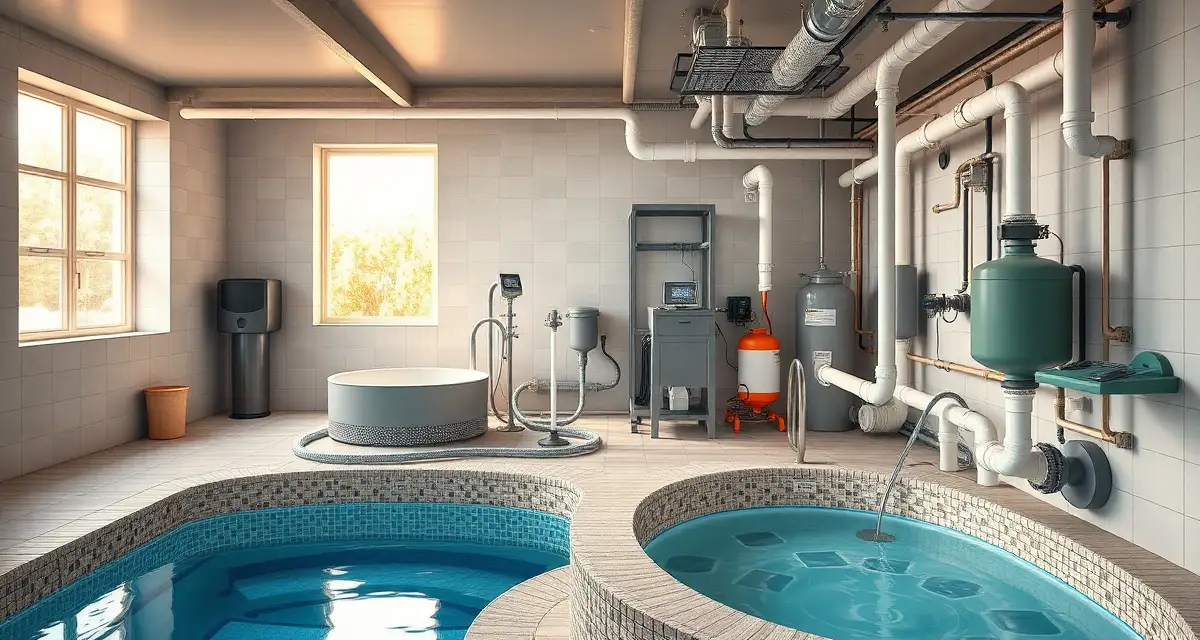
Septic Service for Day Spas and Wellness Centers
By the SepticMind Editorial Team
A day spa is one of the most water-intensive commercial businesses you can run on private septic. Hot tubs, hydrotherapy pools, massage tables with drainage, steam rooms, and multiple treatment rooms all produce wastewater that's more complex than a standard commercial building. Hot tub backwash entering a septic system can overwhelm the system in a single event, which means you can't treat spa septic management as a set-it-and-forget-it task.
TL;DR
- Spas And Wellness facilities have distinct wastewater loading patterns that affect septic system sizing, service frequency, and permit requirements.
- Commercial and institutional properties like spas and wellness typically require more frequent pumping than residential systems due to higher daily usage.
- Some spas and wellness operations generate waste streams (grease, chemicals, or high-volume flow) that require pre-treatment before reaching the septic system.
- Service contracts for spas and wellness provide predictable recurring revenue and are easier to manage with a platform that tracks commercial account schedules.
- Health department inspections for spas and wellness properties may require septic system condition documentation as part of facility licensing.
- Septic companies specializing in spas and wellness service build referral networks with property managers, architects, and health inspectors in that niche.
The risk is real and specific. A hot tub holding 400 to 500 gallons of water, when drained or backwashed into an undersized or infrequently serviced septic system, can hydraulically overload the drainfield. Hydraulic overload means wastewater moves through the system faster than the soil can absorb it, leading to pooling, odor, and potentially a drainfield that needs replacement.
Understanding Spa Wastewater Loads
Day spa wastewater comes from several sources that each add to your total load:
Treatment rooms with massage tables that include drainage, body wraps with oils and mineral products, and hydrotherapy basins produce oil-rich gray water. Massage oils and body treatment products aren't septic-friendly in large quantities. They don't break down quickly and can accumulate as a scum layer in your tank.
Soaking tubs and hot tubs produce high-volume, high-temperature water with dissolved minerals, treatment salts, and disinfection chemicals. If your hot tub uses bromine or chlorine and you're draining it into your septic, those biocides kill the same bacteria your tank depends on for proper function.
Steam rooms and saunas produce condensate and drainage that adds to your daily water volume without being unusually problematic from a chemistry standpoint.
Showers and changing room facilities add standard gray water. A busy spa with locker room facilities serving 50+ clients per day generates significant gray water volume from showers alone.
Hot Tub Drainage: The Most Common Mistake
The single most common error spa operators make with septic is draining hot tubs into the system without planning for the volume impact. A 500-gallon hot tub drain represents the equivalent of 10 full bathtubs all at once. Do this when your tank is already near capacity and you've created an emergency.
The right approach is to drain hot tubs slowly over multiple hours, not all at once. Some facilities drain to a separate dry well or holding area. If you must drain to your septic, check with your service provider about whether your system can handle that volume, and always drain before your scheduled pump-out, not after.
Additionally, if your hot tub uses chlorine or bromine, consider dechlorination before draining. Letting heavily treated water sit for 24-48 hours with the cover off allows most disinfectant to dissipate before it hits your tank.
How Often Should a Day Spa Service Its Septic?
Spa treatment wastewater from hot tubs and massage oils requires more frequent septic service than standard commercial facilities. A typical commercial office building might pump every 2-3 years. A busy day spa with treatment rooms, a hot tub, and a steam room should plan for annual service at minimum, and possibly twice-yearly inspections to catch buildup before it becomes a problem.
The calculation depends on daily client volume, treatment types offered, and tank size. A spa serving 20 clients per day with two treatment rooms and one hot tub needs a different interval than a wellness center serving 80 clients across eight rooms with a full hydrotherapy circuit.
Have your system professionally assessed and document the recommended interval. Don't guess.
Compliance Requirements for Spas and Wellness Centers
Most county health departments classify day spas as commercial facilities subject to commercial onsite wastewater rules. This typically means larger tank requirements, periodic inspection documentation, and sometimes mandatory maintenance agreements.
Some states have specific regulations for facilities that use therapeutic pools, hydrotherapy equipment, or soaking tubs. These may require separate permits for pool drainage or specific pretreatment before spa water enters the septic system. Check with your local environmental or health authority to confirm what applies to your specific facility.
SepticMind's spa account type accounts for treatment wastewater loads in service interval calculations. That documentation is useful when a health department inspection comes around and you need to demonstrate that your service schedule reflects your actual operational load, not a generic commercial default.
Managing a Wellness Property With Multiple Systems
Larger wellness centers and spa compounds may have multiple septic systems, particularly if the property includes residential-style accommodations, outdoor soaking pools, or separate wellness buildings. Each system has its own service schedule and compliance requirements.
For septic service agreement management across multiple systems, having a centralized record is essential. Tracking each system's last service date, capacity, and condition separately prevents gaps that lead to failures.
The parallel for hair salons facing similar chemical load challenges is covered in our septic service for hair salons guide, which addresses bacterial disruption from professional chemical products.
Grease Interceptors for Spa Café Areas
Many wellness centers include juice bars, healthy food service, or café areas as part of their offering. If your spa has any food prep, you likely need a grease interceptor installed before your wastewater reaches the septic tank. Grease from food service combined with oils from treatments creates a difficult load for even a well-maintained system.
Your county environmental office can confirm whether your food service volume triggers grease trap requirements.
Practical Steps for Spa Operators
Start with a professional assessment of your current system capacity versus your actual daily wastewater load. If you don't know your tank size, locate your permit records or have a technician find and measure the tank. Know how many gallons you're working with before you try to set a service schedule.
Next, document all the wastewater sources on your property: treatment rooms, hot tubs, steam rooms, showers, café, and any other sources. Give that list to your service provider so they can make an informed recommendation.
Finally, set up a maintenance reminder system so you don't miss service windows. A busy spa doesn't slow down to notice when septic service is overdue.
Get Started with SepticMind
Managing service contracts for spas and wellness properties is easier with a platform built for the septic trade. SepticMind tracks commercial service schedules, documents every inspection visit, and keeps your compliance records organized by property. See how it handles your commercial account portfolio.
Frequently Asked Questions
What septic considerations apply to a day spa with hot tubs and treatment rooms?
Day spas produce some of the most complex commercial wastewater of any small business. Hot tubs can create hydraulic overload if drained all at once into an undersized or full tank. Treatment room wastewater contains massage oils, mineral products, and body treatment compounds that accumulate as scum in your tank. Disinfectants used in hot tubs and pools can kill the beneficial bacteria your tank needs. You need a tank sized for commercial use, a service interval calculated from your actual daily load rather than a generic schedule, and a clear protocol for hot tub drainage that prevents single-event overloads.
How often should a spa's septic system be pumped?
Most day spas with active treatment rooms and a hot tub should plan for at least annual pump-outs, with twice-yearly inspections during peak business periods. This is more frequent than a standard commercial facility because of the oil-rich wastewater from treatments, the volume impact of hot tub drainage, and the potential bacterial disruption from disinfection chemicals. The right interval for your specific facility depends on tank size, daily client volume, treatment types, and hot tub drainage frequency. Have a licensed service provider assess your system and set a documented interval rather than defaulting to whatever the previous operator was doing.
Does SepticMind adjust service intervals for spas with hot tub and treatment room loads?
Yes. SepticMind's spa account type captures treatment room types, hot tub or soaking pool presence, and estimated daily water use from spa operations. These factors are used in service interval calculations so your schedule reflects your actual load rather than a generic commercial default. The account also documents hot tub drainage protocols, which helps service providers plan visits appropriately. If your spa has multiple systems, each one gets its own tracked record. When health department inspections come up, you can pull documentation showing your service history and the reasoning behind your maintenance schedule.
How often should a septic system serving a spas and wellness property be inspected?
Septic systems at spas and wellness properties should be inspected at least annually and pumped more frequently than residential systems, since commercial-scale daily water usage accelerates sludge and grease accumulation. The exact frequency depends on the specific activities at the facility, peak occupancy, any food service or chemical use on-site, and local regulatory requirements. A service provider familiar with spas and wellness operations can recommend an appropriate inspection and pumping schedule based on the system's actual usage profile.
What septic system issues are most common at spas and wellness properties?
The most common septic problems at spas and wellness properties are rapid sludge accumulation from high occupancy, grease trap failure if food service is involved, hydraulic overloading during peak-use periods, and non-biodegradable waste disposal from cleaning or maintenance activities. Regular inspection and a service contract with clear maintenance intervals are the most effective ways to catch these problems before they cause system failure or regulatory violations.
Try These Free Tools
Sources
- National Onsite Wastewater Recycling Association (NOWRA)
- US EPA Office of Wastewater Management
- NSF International
- Water Environment Federation
- National Environmental Services Center (NESC)