Septic Service for Country Inns and Bed and Breakfast Estates
By the SepticMind Editorial Team
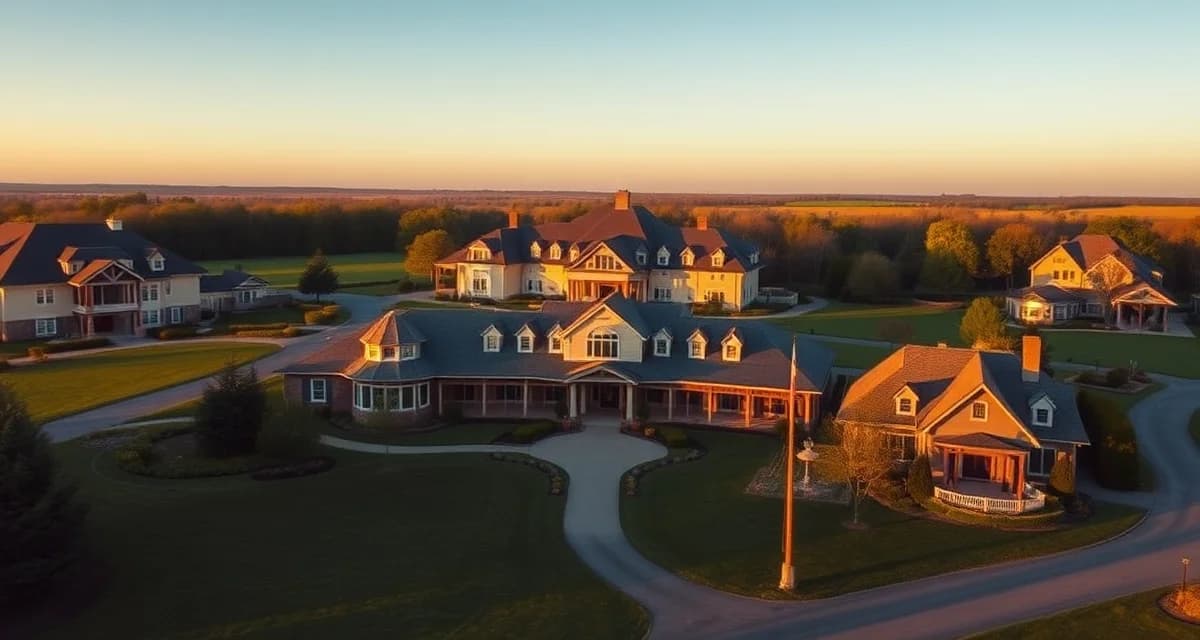
Country inn estate properties may have 4-6 separate systems for lodging, dining, and event buildings. Country inn septic failures during a full occupancy weekend create guest displacement and review disasters. Managing a multi-building inn property's wastewater infrastructure across multiple systems is a materially different challenge from managing a single residential or commercial septic system.
TL;DR
- Country Inns facilities have distinct wastewater loading patterns that affect septic system sizing, service frequency, and permit requirements.
- Commercial and institutional properties like country inns typically require more frequent pumping than residential systems due to higher daily usage.
- Some country inns operations generate waste streams (grease, chemicals, or high-volume flow) that require pre-treatment before reaching the septic system.
- Service contracts for country inns provide predictable recurring revenue and are easier to manage with a platform that tracks commercial account schedules.
- Health department inspections for country inns properties may require septic system condition documentation as part of facility licensing.
- Septic companies specializing in country inns service build referral networks with property managers, architects, and health inspectors in that niche.
The Country Inn Campus
A full country inn or B&B estate property typically includes several distinct buildings, each potentially with its own septic system:
Main inn building: The primary guest lodging. This is usually the highest-occupancy building, with multiple guest rooms sharing bathroom facilities, a common room, and often a dining or breakfast room. Guest rooms with private baths generate residential-equivalent wastewater, while shared bathrooms concentrate load.
Dining hall or restaurant: If the inn offers full dining beyond continental breakfast, the commercial kitchen generates food service loads requiring grease trap management. Dining facilities that host non-guest public diners add additional occupancy above the inn's room count.
Event barn or venue building: Many country inns offer their property for weddings and events. An event barn used for weddings adds significant intermittent peak loads on event days.
Cottage or carriage house accommodations: Auxiliary lodging in separate buildings may be on separate systems from the main inn.
Staff housing: If live-in staff are housed on the property, their housing adds to the overall daily load.
Outbuildings and guest amenities: Swimming pool facilities, hot tub buildings, and guest spa amenities may generate their own wastewater loads.
SepticMind's country inn account type manages all campus systems under one account with separate service schedules. Each building's system has its own record, but the inn owner sees all systems in a unified compliance view.
Service Intervals Across Multiple Systems
The critical principle for multi-building properties: each system needs its own service interval calculated on its actual load, not a single uniform interval applied across the whole property.
Main inn building: Calculate based on room count and typical occupancy. A 10-room inn at 70% average occupancy is generating roughly the wastewater of a 7-person household, per day, every day of the year. Annual pump-outs are appropriate for most inn-scale systems.
Dining/kitchen system: Based on covers served daily and whether the kitchen serves the public beyond just inn guests. Monthly grease trap service plus annual main tank pump-out is typically appropriate for active restaurant operations.
Event barn: Based on event frequency and guest count per event. Pre-event service protocol (as covered in the septic service for wedding venues guide) is the right framework.
Cottage systems: Based on cottage occupancy patterns. Seasonally operated cottages may need end-of-season service and pre-season inspection.
Commercial Kitchen Grease Management
Country inn kitchens that prepare breakfast for guests and, increasingly, serve dinner and host event catering, are commercial kitchens generating commercial-scale grease loads. Without a properly sized grease interceptor serviced regularly, grease accumulation in the tank is the dominant cause of premature system stress at inn properties.
Monthly grease trap service during active operation periods is the standard for commercial kitchen operations. Don't defer this because the inn feels too small to need restaurant-level maintenance. If you're preparing food for paying guests, you're operating a commercial kitchen.
Event Hosting and Peak Loads
Country inns that host weddings and events face the same peak load management challenge as dedicated event venues. A 150-person wedding reception at a full-occupancy inn is the highest daily wastewater event most inn properties will ever face.
Pre-event pump-outs before booked events and post-event inspection to confirm the system handled the load are the basic practices. For inns hosting multiple events per season, this becomes a recurring calendar item.
For bed and breakfast properties without the full estate scale, that guide covers the simpler single-building framework. For event venues that focus primarily on event hosting, the event-calendar management approach is the primary framework.
Get Started with SepticMind
Managing service contracts for country inns properties is easier with a platform built for the septic trade. SepticMind tracks commercial service schedules, documents every inspection visit, and keeps your compliance records organized by property. See how it handles your commercial account portfolio.
Frequently Asked Questions
How do I manage septic service across a country inn property with multiple buildings?
Start with a complete infrastructure inventory: locate every septic system, confirm tank sizes, find permits, and establish service history for each system. Then set service intervals for each system separately based on the actual load for that building. Main inn building on residential equivalent schedule, kitchen on commercial food service schedule, event barn on event-calendar schedule, cottages on seasonal occupancy schedule. Use a management platform that tracks each system separately but shows you all of them in a single view. Without organized tracking, multi-system properties routinely have one or more systems that haven't been serviced in years while others are being properly maintained.
What service schedule is appropriate for a country inn that serves meals and hosts events?
A country inn with full-service dining and event hosting needs a layered service schedule. Main inn building: annual pump-outs at minimum, with inspection every 6 months during high-occupancy seasons. Kitchen grease trap: monthly service during active meal service periods. Event barn: pre-event pump-outs before any event with 100+ guests, annual inspection of any associated system. Cottage systems: pre-season and post-season service for seasonal units, annual service for year-round cottages. The total annual service investment for a full-service inn is significant but reflects the actual complexity of the wastewater infrastructure being managed.
Does SepticMind support multi-building campus management for country inn accounts?
Yes. SepticMind's country inn account type is specifically designed for multi-building estate properties where each building may have its own septic system with different service requirements. All systems are tracked under the same property account with separate service records, schedules, and compliance documentation for each. The inn owner sees compliance status across all buildings in one view, with upcoming service dates for each system flagged when approaching. Event booking integration generates pre-event service reminders for the event building. Grease trap service tracks separately from main tank service for the kitchen building. Service history across all systems is available for county health department inspections.
How often should a septic system serving a country inns property be inspected?
Septic systems at country inns properties should be inspected at least annually and pumped more frequently than residential systems, since commercial-scale daily water usage accelerates sludge and grease accumulation. The exact frequency depends on the specific activities at the facility, peak occupancy, any food service or chemical use on-site, and local regulatory requirements. A service provider familiar with country inns operations can recommend an appropriate inspection and pumping schedule based on the system's actual usage profile.
What septic system issues are most common at country inns properties?
The most common septic problems at country inns properties are rapid sludge accumulation from high occupancy, grease trap failure if food service is involved, hydraulic overloading during peak-use periods, and non-biodegradable waste disposal from cleaning or maintenance activities. Regular inspection and a service contract with clear maintenance intervals are the most effective ways to catch these problems before they cause system failure or regulatory violations.
Try These Free Tools
Sources
- National Onsite Wastewater Recycling Association (NOWRA)
- US EPA Office of Wastewater Management
- NSF International
- Water Environment Federation
- National Environmental Services Center (NESC)