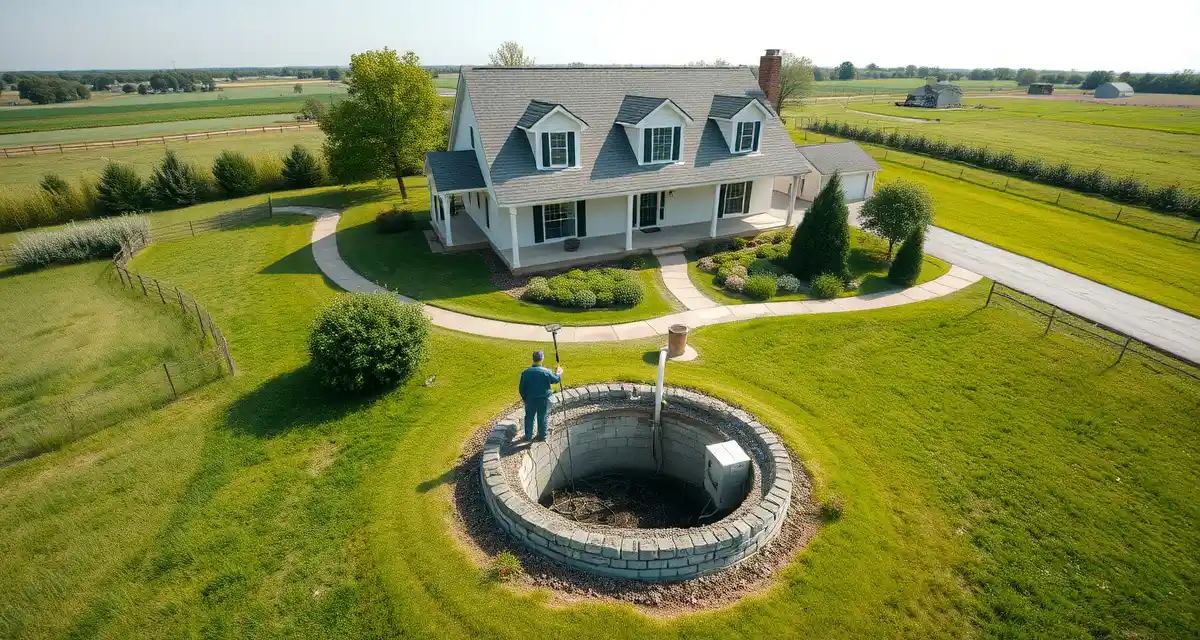
Septic Inspections for Land Trusts and Conservation Properties
By the SepticMind Editorial Team
Land trusts in the US collectively hold 56 million acres, many with private septic systems requiring management. Land trust properties often have septic systems that haven't been serviced in years, creating compliance risk that can affect a land trust's ability to manage properties and fulfill its conservation mission.
TL;DR
- Septic inspections require state-specific report formats that must be completed correctly before they are accepted by regulators, lenders, or buyers.
- Photo documentation with timestamps and GPS coordinates is the minimum standard for defensible inspection reports.
- Real estate inspection reports in most states must be filed with the county health department within a specified timeframe.
- Inspector credentials must be current and visible on every submitted report; expired credentials are grounds for report rejection.
- Digital inspection tools reduce report completion time from hours to minutes and eliminate transcription errors.
- Consistent documentation quality across all technicians protects company reputation in the real estate inspection market.
SepticMind's land trust account structure manages multiple properties with individual system records per parcel so stewardship obligations don't fall through organizational cracks.
Why Septic Compliance Matters for Land Trusts
Land trusts acquire and manage conservation properties for a range of stewardship purposes: protecting farmland, preserving wildlife habitat, maintaining public access to working landscapes, and protecting water quality. Septic systems on these properties may seem like peripheral operational details compared to the conservation mission, but they're actually closely connected to it.
Water quality protection. Many land trusts specifically protect properties to safeguard water quality in watersheds, near streams, or adjacent to sensitive ecosystems. A failing septic system on a land trust property is directly antithetical to the water quality protection mission. Land trusts that allow their own properties to have failing septic systems face reputational and mission-consistency problems.
Stewardship standards. Land trust accreditation through the Land Trust Alliance requires land trusts to demonstrate ongoing stewardship of their properties. Property condition (including functional infrastructure) is part of stewardship. Land trusts without documentation of septic system maintenance may struggle to demonstrate stewardship compliance during accreditation review.
Tenant and lessee obligations. Land trusts that lease farmland or other properties to tenants often include infrastructure maintenance obligations in lease agreements. Tracking whether tenant-maintained septic systems are receiving required service is a landlord obligation that requires systematic documentation.
Conservation easement properties. Land trusts that hold conservation easements on privately owned land may have obligations to monitor property condition. Septic system condition can be part of easement compliance monitoring depending on the easement terms.
Types of Land Trust Properties With Septic Systems
Not all land trust properties have septic systems, wilderness acquisitions and passive conservation areas often don't. But a notable portion of land trust holdings include:
Farm properties with residential structures. Agricultural land trusts protecting working farmland often acquire properties that include farmhouses, farm worker housing, and farm buildings with plumbing. These structures' septic systems need to be functional and maintained.
Trail access and visitor facilities. Properties with public access (trailheads, visitor parking areas, environmental education facilities) often have pit privies, composting toilets, or small septic systems serving restroom facilities.
Historic structures and preservation properties. Some land trusts focus on historic preservation alongside conservation. Historic properties with modernized plumbing have septic systems that may date to the era of the plumbing installation.
Conservation research stations. Field research facilities and environmental education centers on conservation properties have septic systems serving staff and visitor restrooms.
Managing Septic Compliance Across a Multi-Property Portfolio
The organizational challenge for land trusts is scale and staff capacity. A regional land trust may manage 50-200 properties, each with different characteristics. Tracking septic system maintenance across that portfolio (when each property may have been acquired at different times, may have different tenant or management arrangements, and may have records stored in different places) is a genuine data management challenge.
SepticMind's customer management software supports multi-property account structures where a single organization (the land trust) manages many individual properties, each with its own system record. The land trust's portfolio manager can see all properties' current septic status in one view, which properties have been recently serviced, which are approaching service intervals, and which have identified conditions requiring attention.
Documentation for Stewardship Purposes
Land trusts that document their stewardship obligations need organized records they can present to accreditation reviewers, funders, donors, and regulatory agencies. Septic maintenance documentation is one component of the overall stewardship record:
Service records. Dated records of every service visit, what was serviced, and what condition was observed. These records demonstrate that the land trust actively manages its properties rather than passively holding them.
Inspection records. Periodic inspection results that establish system condition at defined points in time. Inspection records are the evidence that the trust knows the condition of its infrastructure.
Permit documentation. Copies of any permits for work performed on septic systems during the trust's ownership. Clean permit documentation demonstrates responsible property management.
Septic service for property managers covers parallel documentation approaches applicable to other multi-property management contexts.
Working With Land Trusts as a Service Account
Land trust accounts have characteristics worth understanding before pitching the relationship:
Mission alignment. Land trusts respond well to septic service companies that understand their conservation mission and can frame septic compliance in terms of water quality protection and responsible stewardship, not just plumbing maintenance.
Procurement process. Land trusts often have more formal procurement processes than small residential clients. They may require vendor qualification information, insurance certificates, and references from comparable clients.
Budget considerations. Conservation organizations often operate on restricted budgets. Service proposals that emphasize compliance value and deferred maintenance cost avoidance (rather than premium features) resonate better with conservation-minded clients.
Long-term relationship potential. A land trust with 80 properties is a multi-year service relationship if you serve it well. Investing in the relationship makes sense even if early account revenue is modest.
Get Started with SepticMind
Inspection work is the highest-visibility service in the septic trade, and your documentation quality directly affects your reputation with real estate agents, lenders, and county officials. SepticMind generates state-formatted inspection reports in the field with photo documentation attached. See how it supports your inspection workflow.
Frequently Asked Questions
What septic compliance documentation do land trusts need for their conservation properties?
Land trusts need documentation that demonstrates ongoing stewardship and responsible property management. For septic systems specifically: service records for every pump-out or maintenance visit (date, gallons removed, condition observations); periodic inspection records establishing system condition at defined points in time; permit documentation for any permitted work performed during the trust's ownership; and documentation of any corrective actions taken when problems were identified. For Land Trust Alliance accreditation purposes, this documentation supports the stewardship monitoring requirement. For properties with leases or conservation easements, documentation of monitoring activities demonstrates that the trust is fulfilling its oversight obligations. Organized, accessible records (not paper files that require searching) are what stewardship reviewers expect to see.
How do I manage septic service records across 50 land trust properties?
The key is a structured account system that treats the land trust as one client with many properties, rather than 50 separate clients. Create one account for the land trust organization with individual property records for each parcel that has a septic system. Each property record contains: system type and size, installation date and permit information, service history, current condition notes, and next service date. When you service a property, that record updates automatically, and the portfolio view shows the land trust's staff which properties are current on service and which need scheduling. This structure lets the land trust's property manager see the full portfolio status at a glance rather than requesting status updates property by property.
Does SepticMind support land trust multi-property account structures?
Yes. SepticMind's account structure supports organizations with large property portfolios. For a land trust, you create one organization-level account for the trust, then add individual property records for each parcel with a septic system. Property records include system details, service history, permit notes, and scheduling. The account-level view shows all properties and their current status (last service date, next scheduled service, any outstanding conditions. For land trusts with mixed management structures (some properties with tenants, some directly managed), property records can note the tenant relationship and any specific access or scheduling arrangements. Reports can be generated at the account level showing the full portfolio's service status) useful for stewardship documentation and internal reporting to the trust's board and staff.
What is the difference between a septic inspection and a septic pump-out?
A pump-out removes accumulated sludge and scum from the tank. An inspection evaluates the condition of all accessible system components: tank structure, baffles, distribution box, drainfield, and in some cases the outlet line. A real estate or regulatory inspection produces a written report in the state-required format with findings and a pass/conditional pass/fail determination. Many inspection visits include a pump-out as part of the service, but the pump-out alone is not the inspection.
Can inspection reports be submitted electronically to the county?
Yes, most counties and state agencies accept electronic inspection report submissions and many now prefer or require them. The report must be in the state-required format and include all required fields, the inspector's credentials, and any required signatures or attestations. Purpose-built inspection software generates the report in the correct state format and can submit it electronically directly from the field.
Try These Free Tools
Sources
- National Onsite Wastewater Recycling Association (NOWRA)
- US EPA Office of Wastewater Management
- NSF International
- American Society of Home Inspectors (ASHI)
- Water Environment Federation