Google Local Services Ads for Septic Companies: A Setup Guide
By the SepticMind Editorial Team
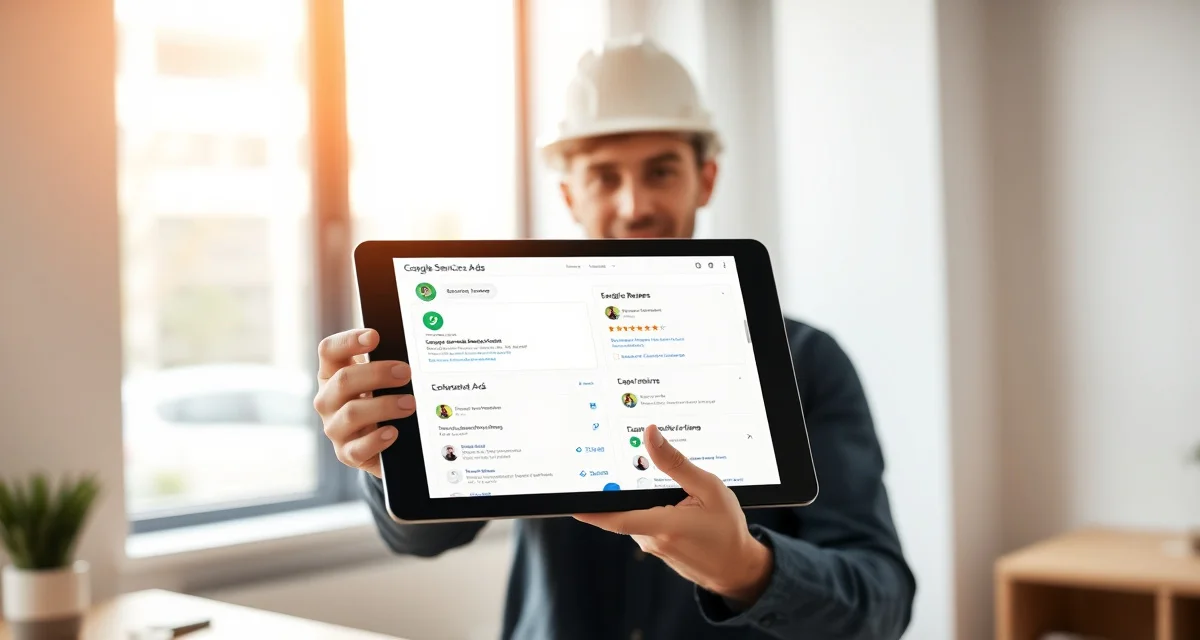
When a homeowner types "septic pumping near me" into Google, what they see first are Local Services Ads. Not organic results. Not standard pay-per-click ads. The Google Guaranteed listings at the very top of the page, with the green badge, the reviews, and the direct call button.
TL;DR
- Google Local Services Ads for Septic Companies: A Setup Guide requires balancing field operations, customer relationships, compliance obligations, and administrative management.
- Recurring service agreements provide the most predictable revenue base in the septic trade and should be a priority for growing businesses.
- Digital tools that automate scheduling, reminders, invoicing, and reporting reduce administrative overhead without adding staff.
- Tracking key performance metrics by route, technician, and service type identifies the most profitable and least profitable parts of the operation.
- Customer retention improvement through systematic follow-up typically generates more revenue than equivalent spending on new customer acquisition.
- Building commercial and institutional accounts alongside residential pumping creates revenue stability that supports equipment and hiring decisions.
Septic companies running Google Local Services Ads receive 3.8 times more high-intent calls than those without. That gap is real. And it's getting wider as more consumers look for the Google Guaranteed badge before calling.
Here's how to get your company verified and running.
What Makes Google LSA Different
Standard Google ads charge you every time someone clicks your ad, whether they call you or not, whether the click is from a homeowner or a competitor checking your pricing. LSA charges you only for verified leads, meaning actual phone calls or messages from real customers.
The Google Guaranteed badge adds a layer of trust that generic paid ads can't match. Homeowners who see the badge know your business has been screened. That screening is part of what makes LSA leads convert at higher rates.
Average cost per verified LSA lead for septic companies runs $18-35 depending on your market. Some high-competition markets run higher. Rural and suburban markets often come in at the low end.
Getting Verified for Google Local Services Ads
The verification process takes 1-3 weeks if you prepare your documents in advance. Here's what Google requires:
Business license. Your state contractor license or septic service company license. Make sure it's current and matches the name you're using for your LSA profile.
Insurance certificate. General liability coverage at minimum. Google requires a minimum coverage amount, and your certificate needs to list Google LLC as an additional interested party. Your insurance agent can add this quickly.
Background check. All business owners and any regularly dispatched technicians go through a background check administered through Google's third-party partner. Budget a few business days for this step.
Business verification. Standard Google My Business verification, which may require a postcard sent to your business address.
Once you pass verification, you get the Google Guaranteed badge. It appears on your LSA profile and on your Google Business Profile in search results.
Filling Out Your LSA Profile for Maximum Performance
Your profile setup directly affects your call volume. Verified Google LSA profiles with strong reviews and responsive booking see 60% lower cost per lead. A weak profile that checks the boxes but doesn't give homeowners confidence performs much worse.
Key profile elements:
Service area. Define your coverage zone accurately. Too broad and you'll get calls from areas where you can't profitably respond. Too narrow and you miss addressable demand.
Job types. Select every type of septic work you do: pumping, inspection, installation, ATU maintenance, drainfield repair. Each selected job type makes you eligible to appear for those searches.
Hours and responsiveness. LSA's ranking algorithm rewards businesses that respond to leads quickly. If you're showing as available during business hours, respond to messages within 30 minutes. Extended hours help too, especially if you handle emergency calls.
Photos. Add photos of your trucks, crew in action, and completed work. Profiles with photos perform notably better than text-only profiles.
Getting Reviews Into Your LSA Profile
Your Google reviews are the most visible social proof element on your LSA profile. More reviews, higher average rating, and recency of reviews all affect how high you rank within the LSA results for a given search.
The companies winning on LSA in competitive markets are actively requesting reviews after every job. Text the customer a review link the same day service is completed. Make it one tap. High review volume at a strong average rating is the single most effective way to increase your LSA performance over time.
Pair this with your broader marketing strategy for your septic business and your review collection efforts compound across all your online presence, not just LSA.
Managing Your LSA Budget
You set a weekly budget cap in your LSA account. Google charges you per verified lead, not per click, so you pay when a real call or message comes through.
A few practical notes on budget:
- Start with a modest weekly budget until you understand the lead volume and conversion rate in your market
- Review your charged leads regularly and dispute any that aren't legitimate
- Increase budget during peak season (spring and summer for most markets) to capture higher demand
- Lower or pause the budget during your slowest periods rather than leaving it running at full spend
Get Started with SepticMind
Running a profitable septic business means managing compliance, customer relationships, and field operations without letting any of them slip. SepticMind handles the operational and compliance infrastructure so you can focus on growing the business. See what the platform can do for your operation.
Frequently Asked Questions
How do I get my septic company verified for Google Local Services Ads?
The verification process requires submitting your current business license, a general liability insurance certificate that names Google LLC as an additional interested party, and passing a background check for all business owners and regularly dispatched technicians. Once you submit all required documents through the LSA platform, verification typically takes 1-3 weeks. You can begin building your profile while verification is pending.
What information do I need to provide to get the Google Guaranteed badge?
To receive the Google Guaranteed badge, you need to complete the full LSA verification process: business license verification, insurance certificate submission at required coverage levels, background check clearance for owners and technicians, and standard Google Business verification. The badge appears on your LSA profile and associated Google Business Profile once all steps are complete and approved.
How do I optimize my Google LSA profile for maximum septic job volume?
Optimization focuses on four areas: selecting all relevant job types so you appear in more searches, defining your service area accurately, building and maintaining a high volume of positive Google reviews (reviews directly affect LSA ranking), and responding to leads within 30 minutes during advertised business hours. Profile responsiveness is a ranking signal in the LSA algorithm, so fast response times compound over time into better placement.
What metrics matter most for managing a septic service business?
The most important operational metrics for a septic service company are route utilization rate (percentage of available truck capacity actually booked), customer retention rate (percentage of customers who return for the next service visit), revenue per truck per day, cost per job including labor, disposal, fuel, and overhead allocation, and recurring revenue percentage from service agreements versus one-time calls. Companies that track these metrics by route and by technician identify improvement opportunities faster than those looking only at total revenue.
How does field service software reduce administrative costs for septic companies?
Field service software eliminates manual steps in scheduling, dispatching, invoicing, permit tracking, and inspection report preparation. Tasks that take an office manager 2-4 hours per day on spreadsheets and phone calls are handled automatically: reminders go out, reports generate, invoices are sent, and permit deadlines are flagged without human intervention. The hours saved are redeployed to customer service, sales, and higher-value work that grows the business.
Try These Free Tools
Sources
- National Onsite Wastewater Recycling Association (NOWRA)
- US EPA Office of Wastewater Management
- National Environmental Services Center (NESC)
- Water Environment Federation
- Occupational Safety and Health Administration (OSHA)