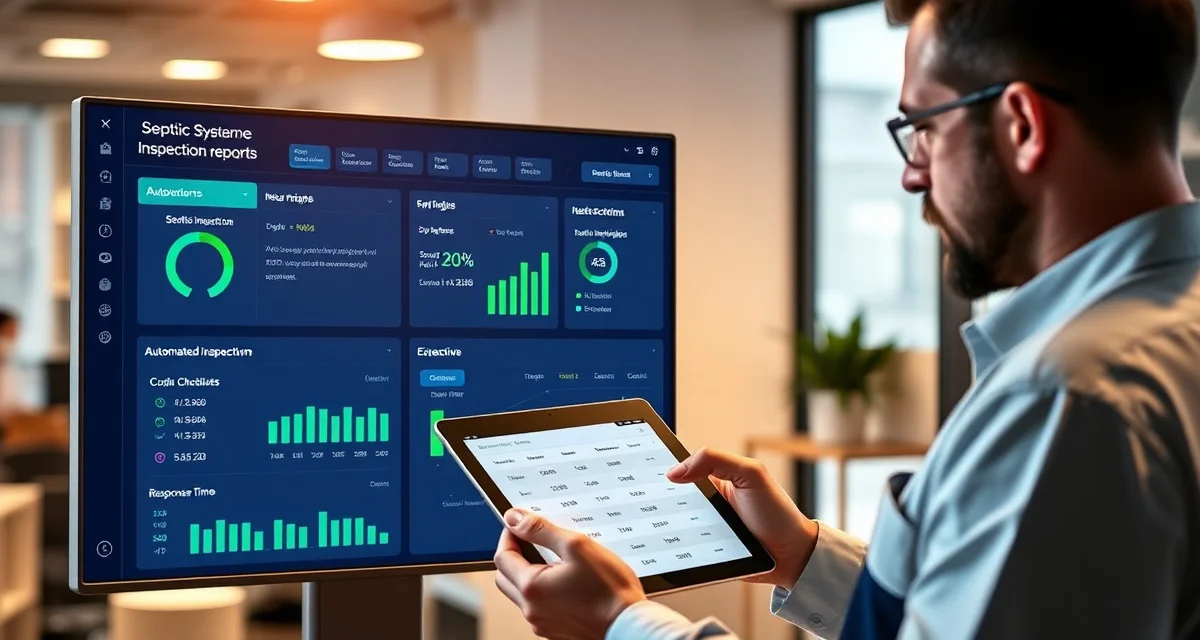
How SepticMind-Powered Companies Win Against Generic Tool Users
By the SepticMind Editorial Team
The top differentiators for septic companies are response speed, report quality, and compliance reliability. Customers who experience digital reports and automated reminders are three times less likely to switch providers. Those aren't features that just make internal operations easier. They're advantages that show up directly in the customer experience.
TL;DR
- How SepticMind-Powered Companies Win Against Generic Tool Users requires balancing field operations, customer relationships, compliance obligations, and administrative management.
- Recurring service agreements provide the most predictable revenue base in the septic trade and should be a priority for growing businesses.
- Digital tools that automate scheduling, reminders, invoicing, and reporting reduce administrative overhead without adding staff.
- Tracking key performance metrics by route, technician, and service type identifies the most profitable and least profitable parts of the operation.
- Customer retention improvement through systematic follow-up typically generates more revenue than equivalent spending on new customer acquisition.
- Building commercial and institutional accounts alongside residential pumping creates revenue stability that supports equipment and hiring decisions.
Here's what differentiation looks like in practice for companies using SepticMind versus those still on paper or generic tools.
Speed of Response and Report Delivery
A real estate agent calls two septic inspection companies. Company A uses paper forms and types reports in the evening. Company B uses SepticMind and delivers the report from the field.
Company A tells the agent they'll have the report by tomorrow afternoon.
Company B tells the agent they'll have it within 90 minutes of the site visit.
For an agent managing a transaction with a tight closing timeline, Company B just became the obvious choice. And the agent will remember that response when the next transaction comes up.
SepticMind gives every company access to the tools that previously only enterprise operations could afford. What this means practically is that a three-truck inspection company using SepticMind delivers reports faster than a larger competitor using paper workflows.
Speed is an operational capability that shows up as a customer experience differentiator. You don't have to be faster because you work harder. You're faster because your process is faster.
Report Quality and Professionalism
Paper inspection reports look like paper inspection reports. Typed, sometimes inconsistently formatted, with photos in separate attachments or awkwardly placed inline. They communicate the findings but don't convey operational professionalism.
Digital inspection reports generated by SepticMind look like professionally designed documents: consistent layout, photos embedded at the relevant component, standardized condition ratings, clean formatting. They communicate the same findings and they convey that this is a company that takes its work seriously.
Agents and lenders notice. They're receiving many inspection reports over the course of a year. The ones that look professional and are delivered fast get recommended again. The ones that are hard to read and slow to arrive don't.
What operational capabilities set the best septic companies apart from average competitors?
The top operational differentiators in the septic market:
- Same-day or within-2-hour inspection report delivery
- Complete job records with prior service history that techs arrive with
- Automated customer reminders that reduce "when was my last service?" calls
- Consistent condition ratings across all inspectors (not varying by individual preference)
- Permit compliance that never misses a required step
None of these require a larger company or a bigger budget. They require the right systems.
Compliance Reliability
How does inspection report quality affect a septic company's reputation with real estate agents?
Compliance reliability affects reputation in a specific way: a company that never has a report rejected, never misses a permit, and never fails a compliance audit is a company that real estate agents, lenders, and commercial clients feel comfortable referring to.
One rejected report at a closing damages the relationship with that agent. A pattern of rejected reports ends the relationship and travels through the agent community.
SepticMind's compliance templates load automatically based on job location. When an inspector creates a real estate inspection job, the required format for that state and county loads. The required fields are enforced before the report can be sent. This structure prevents the format errors and missing fields that cause lender rejections.
Companies that operate with automatic compliance never develop a reputation for compliance problems because compliance problems never develop.
Can a Small Company Compete With Larger Operations?
Can a small septic company compete with larger operations using the right software tools?
Yes. This is one of the more meaningful shifts in the septic market over the past several years. The operational capabilities that used to require scale, professional report formats, automated reminders, permit tracking, mobile dispatch, are now accessible to a two-truck company at $79/month.
A two-truck company using SepticMind can:
- Deliver inspection reports faster than a larger competitor using paper
- Provide customers with automated reminders that feel like enterprise service
- Have technicians arrive with complete job records that eliminate information callbacks
- Maintain compliance records that are indistinguishable from larger operations
The size advantage in septic service used to be operational capability. SepticMind eliminates that advantage by making professional operational capabilities accessible regardless of fleet size.
Customer Retention as a Competitive Outcome
Customer retention is where differentiation compounds into business value. Customers who receive digital reports and automated reminders are three times less likely to switch providers. Not because they're locked in. Because the service experience is meaningfully better than what they'd get from the typical alternative.
A customer who gets an automated reminder when their service is due, books through a simple link, receives a text when their tech is en route, and gets their service report in their email within an hour of completion has had an experience that most septic companies aren't delivering. They have no reason to explore alternatives.
This is the customer retention strategy that doesn't require constant promotional offers or discounts: deliver a service experience that's notably better than the alternative, and customers stay without being asked to.
Get Started with SepticMind
Running a profitable septic business means managing compliance, customer relationships, and field operations without letting any of them slip. SepticMind handles the operational and compliance infrastructure so you can focus on growing the business. See what the platform can do for your operation.
Frequently Asked Questions
What operational capabilities set the best septic companies apart from average competitors?
The most differentiating operational capabilities are same-day inspection report delivery (within 2-4 hours of site visit), complete pre-populated work orders so technicians arrive with full system data, automated customer reminders that reduce lapse between service intervals, consistent condition ratings across all inspectors rather than varying by individual judgment, and permit compliance that loads automatically with no manual tracking required. These capabilities all translate directly into better customer experiences rather than just internal efficiency.
How does inspection report quality affect a septic company's reputation with real estate agents?
Inspection report quality has direct, measurable effects on agent referral patterns. Agents who receive professional, fast, complete inspection reports from a company consistently will recommend that company to other agents and reliably use them for their own transactions. Agents who experience report rejections, formatting problems, or slow delivery routes business to faster, more reliable alternatives. Because agents control a notable portion of inspection demand in most markets, report quality and delivery speed are the primary competitive levers for inspection companies seeking agent referral growth.
Can a small septic company compete with larger operations using the right software tools?
Yes. The operational capabilities that previously required large operation scale, including professional report generation, automated customer communication, permit tracking, and mobile field dispatch, are accessible to any company size through purpose-built software like SepticMind. A two-truck company using SepticMind delivers the same report quality, automated reminders, and compliance reliability as much larger operations. The size advantage in the septic market has historically been operational capability. Purpose-built software eliminates that advantage by making professional operations accessible regardless of fleet size.
What metrics matter most for managing a septic service business?
The most important operational metrics for a septic service company are route utilization rate (percentage of available truck capacity actually booked), customer retention rate (percentage of customers who return for the next service visit), revenue per truck per day, cost per job including labor, disposal, fuel, and overhead allocation, and recurring revenue percentage from service agreements versus one-time calls. Companies that track these metrics by route and by technician identify improvement opportunities faster than those looking only at total revenue.
How does field service software reduce administrative costs for septic companies?
Field service software eliminates manual steps in scheduling, dispatching, invoicing, permit tracking, and inspection report preparation. Tasks that take an office manager 2-4 hours per day on spreadsheets and phone calls are handled automatically: reminders go out, reports generate, invoices are sent, and permit deadlines are flagged without human intervention. The hours saved are redeployed to customer service, sales, and higher-value work that grows the business.
Try These Free Tools
Sources
- National Onsite Wastewater Recycling Association (NOWRA)
- US EPA Office of Wastewater Management
- National Environmental Services Center (NESC)
- Water Environment Federation
- Occupational Safety and Health Administration (OSHA)