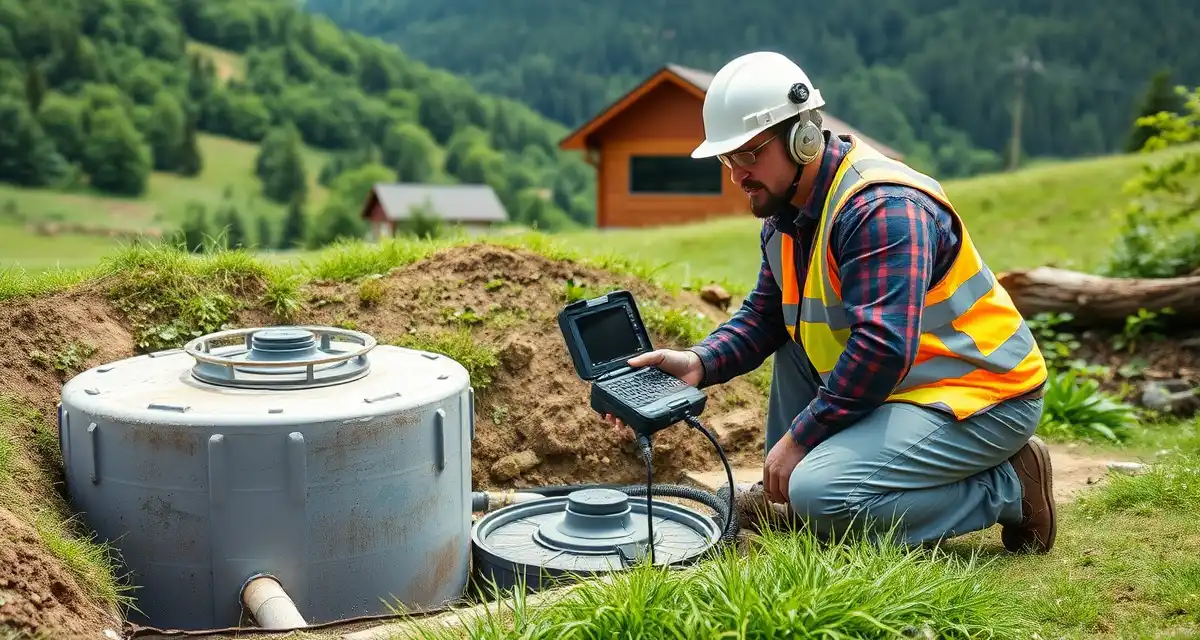
Septic Service Software for West Virginia Companies
By the SepticMind Editorial Team
West Virginia has one of the highest rates of septic system dependency in the country, more than 40% of households use private septic systems. The state's rugged terrain, rural character, and limited municipal sewer infrastructure mean that septic service is a significant industry. The West Virginia Department of Health and Human Resources (DHHR) administers the regulatory program through county sanitarian offices.
TL;DR
- West Virginia septic regulations are administered at the state level with enforcement typically delegated to county health or environmental departments.
- Licensing requirements for pumping, inspection, and installation work vary by county within West Virginia and should be verified with local authorities.
- Operating, maintenance, and inspection reporting requirements in West Virginia differ for conventional systems versus alternative systems like ATUs.
- Companies operating in multiple West Virginia counties need to track permit and reporting requirements by county, not just by state.
- State-mandated inspection report formats in West Virginia must be used for regulatory submissions; generic forms are typically not accepted.
- SepticMind's permit database covers West Virginia county-level requirements to reduce the research burden for multi-county operations.
The Direct Answer
West Virginia septic companies need software with WVDHHR-compliant inspection templates, county sanitarian permit tracking for all 55 WV counties, and route tools that handle West Virginia's challenging mountain terrain. SepticMind covers all 55 West Virginia counties with state-specific inspection templates and terrain-aware route optimization.
West Virginia's Regulatory Framework
West Virginia regulates sewage disposal systems under WV Code §16-1 and the WVDHHR Office of Environmental Health Services rules. County sanitarians administer permits, supported by the state environmental health engineering staff.
West Virginia requires licensed designers for system designs and certified contractors for installation work. The licensing program is administered through WVDHHR.
What Makes West Virginia Different
Mountain terrain service challenges. West Virginia's Appalachian terrain creates access challenges that are among the worst in the country. Narrow hollow roads, steep grades, remote properties accessible only by seasonal roads, and terrain that limits system design options are defining features of WV septic service. Route planning requires knowledge of which roads are truck-accessible and which aren't.
High proportion of older systems. West Virginia's rural housing stock has a large percentage of old systems, many installed in the 1960s-1980s that are at or past end of life. Real estate inspection work frequently involves older systems with limited service history documentation.
Economic context. West Virginia has significant rural poverty. Customers in some markets defer service longer than recommended and face more system failures. Emergency service and failed system documentation are regular parts of the business.
Get Started with SepticMind
Operating in West Virginia means navigating county-level variation in permit requirements, inspection formats, and reporting deadlines. SepticMind's permit database covers West Virginia counties with forms, fee schedules, and timelines so you are prepared before you apply. See how it supports compliance in your service area.
FAQ
Does SepticMind cover all 55 West Virginia county sanitarians?
Yes. All 55 West Virginia counties are in SepticMind's permit database with county sanitarian contact information and WVDHHR permit requirements.
How does SepticMind handle WV's mountain terrain access challenges?
Job records in SepticMind include access notes fields where you can document road type, seasonal access limitations, clearance requirements, and special access equipment needs. Techs see these notes when the job loads on the mobile app. Route optimization accounts for estimated travel time rather than just distance.
Can SepticMind work in areas of West Virginia with poor cell service?
Yes. The field app operates fully offline. West Virginia's rural areas have inconsistent cell coverage, and the offline functionality is a basic requirement for field use in the state.
What state agency regulates septic systems in West Virginia?
Septic system regulation in West Virginia falls under the state environmental or health agency, with day-to-day enforcement handled by county health departments or environmental offices. Licensing for pumping, installation, and inspection work is issued at the state level, but permit applications for individual projects are reviewed at the county level. Contact both the state agency and your specific county office to confirm current requirements, since county rules can differ from the state baseline.
Do West Virginia septic inspection reports need to be filed with the county?
In West Virginia, most inspection reports for real estate transactions and O&M permit systems must be filed with the relevant county health department or environmental office within the timeframe specified by state regulation. The required form and filing timeline vary by report type; real estate inspection reports typically have stricter deadlines than routine O&M reports. Using state-standardized digital report templates ensures the format meets West Virginia's requirements and can be submitted electronically.
Try These Free Tools
Sources
- National Onsite Wastewater Recycling Association (NOWRA)
- US EPA Office of Wastewater Management
- NSF International
- Water Environment Federation
- National Environmental Services Center (NESC)