Septic Pumping Business Software for the West
By the SepticMind Editorial Team
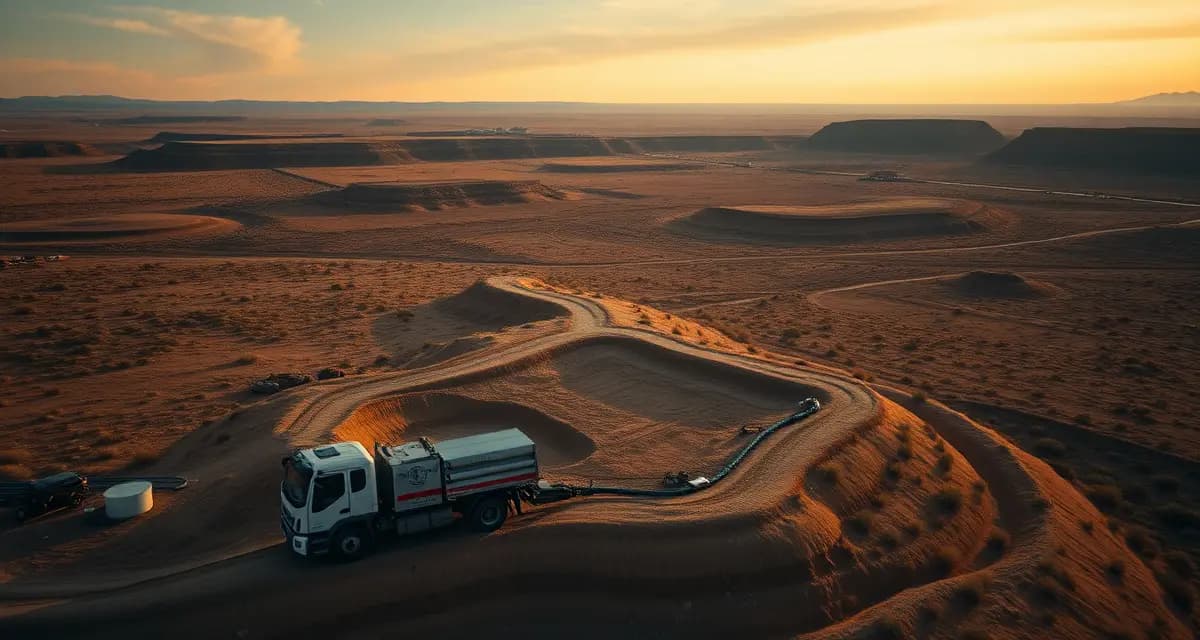
Western septic operations are a different category from anywhere else in the country. The distances are extreme. The terrain is challenging. Cell service in many service areas is limited or nonexistent. And the regulatory landscape is fragmented, California's OWTS Policy, Colorado's Regulation 43, Washington's WAC 246-272A, Oregon's OAR 340-071, and the distinct regulatory structures of Alaska, Hawaii, Nevada, and Arizona all have to be tracked independently.
TL;DR
- Septic Pumping Business Software for the West is designed to address the specific workflow and compliance requirements of septic service operations.
- Purpose-built septic software handles permit tracking, state inspection report templates, and tank data management that generic platforms do not offer.
- Companies managing ATU contracts, multi-county permit portfolios, or real estate inspection volume need software designed around those workflows.
- Mobile access allows field technicians to complete and submit inspection reports before leaving a property.
- Cloud-based platforms ensure records are accessible from any device and backed up automatically.
- Switching costs from generic software are real, so evaluating septic-specific platforms early saves migration pain later.
What defines Western septic operations:
Remote service geography. Montana, Wyoming, Idaho, Nevada, and the rural portions of Washington, Oregon, Colorado, and Arizona have service areas that dwarf what any Midwest or Northeast operator faces. Jobs 50-100 miles apart in a single day's route aren't unusual. Route planning determines whether the day is profitable.
Offline operation requirements. When your service area includes backcountry Colorado, the Montana high desert, rural eastern Oregon, or the Nevada interior, "works online only" is a non-starter. Field techs need their forms, job data, and customer records available without signal.
Mountain and seasonal access. Colorado's ski resort counties, Idaho's mountain communities, Wyoming's resort areas, Utah's high country, all have service seasons compressed by weather and access. Getting the right jobs scheduled within the accessible season requires forward planning.
Alternative system density in challenging soils. Western soils, caliche in Arizona, thin soils over bedrock in the Rockies, expansive clays in parts of the intermountain West, drive a high proportion of alternative system installations. ATU maintenance contracts, mound system service, and drip irrigation system maintenance are more prevalent in Western markets than in the flat-ground Midwest.
California's unique regulatory complexity. California is its own category. Fifty-eight counties and multiple Regional Water Quality Control Boards. The OWTS Policy creates tiered risk-based requirements that vary by location. Coastal zone requirements in Marin, Santa Cruz, and the coastal counties are among the strictest in the country.
What Software for Western Companies Must Do
Offline-first field app. Non-negotiable. Remote Western service means the field app needs to work fully offline, syncing when signal is available. This isn't a nice-to-have, it's a requirement for field use in much of the West.
Route optimization for extreme distances. Basic scheduling software doesn't optimize for 50-mile inter-job drives. The route optimization needs to minimize total drive time across genuinely dispersed rural routes, not just cluster-based suburban routing.
State-specific templates for every Western state. California's OWTS Policy documentation. Colorado's Regulation 43 standards. Washington's WAC 246-272A. Oregon's OAR 340-071. Auto-selected by location, not manually chosen.
Multi-agency permit tracking. California's Regional Water Board requirements layered on county requirements. Colorado's county public health plus state CDPHE. Alaska's borough-and-state dual structure. The software needs to handle multi-agency permit requirements.
SepticMind for Western Companies
SepticMind's Western coverage includes state-specific templates for all 13 western states, county permit databases organized to reflect each state's regulatory structure (county, borough, Regional Water Board, Public Health District), and an offline-first mobile app that functions fully without a network connection.
Route optimization handles both suburban western markets (Phoenix metro, Denver metro, Puget Sound) and extreme rural western routes (eastern Montana, rural Nevada, southern Utah).
The AI service prediction is particularly valuable in the West's seasonal market, identifying which customers are approaching service due dates and triggering automated outreach before seasonal access windows close.
Pricing: Starter $149/mo (1-2 trucks), Professional $299/mo (3-5 trucks), Enterprise $499/mo (6+ trucks). 14-day free trial, no credit card required.
Get Started with SepticMind
The right software for a septic company handles compliance and documentation alongside scheduling and billing. SepticMind is built specifically for septic operations, from county permit tracking to ATU maintenance management. Start a free trial to evaluate it against your workflow.
FAQ
Does SepticMind's field app work without internet in remote Western locations?
Yes. The SepticMind mobile app is fully offline-capable. All job data, customer records, inspection templates, and permit information cache on the device and are accessible without network connection. Data syncs when the device reconnects. This is a baseline requirement for Western field operations.
Does SepticMind handle California's complex OWTS regulatory structure?
Yes. SepticMind covers California's 58 counties with county-specific templates that account for Regional Water Quality Control Board requirements and the OWTS Policy's tiered framework. Coastal zone properties in California are flagged with additional documentation requirements.
What's the best SepticMind plan for a 3-truck Colorado mountain county operation?
The Professional plan at $299/month covers 3-5 trucks with full access to Colorado's county permit database (all 64 counties), Colorado-specific inspection templates meeting Regulation 43 requirements, ATU O&M tracking, and route optimization for mountain terrain.
What makes Septic Pumping Business Software for the West different from general field service software?
The primary differences are septic-specific features: county permit databases, state inspection report templates formatted for regulatory submission, tank size and system type records that drive service interval calculations, and ATU maintenance contract management. General field service platforms can handle scheduling and invoicing but require manual workarounds for every compliance and documentation task that purpose-built septic software handles automatically.
Is there a free trial available to test the software?
SepticMind offers a free trial period so you can evaluate the platform with your actual workflow before committing. The trial includes access to the permit database, inspection report templates, and scheduling tools. Most companies complete their evaluation within two to three weeks and have a clear picture of how the platform fits their operation before the trial ends.
Try These Free Tools
Sources
- National Onsite Wastewater Recycling Association (NOWRA)
- US EPA Office of Wastewater Management
- National Environmental Services Center (NESC)
- Water Environment Federation
- Occupational Safety and Health Administration (OSHA)