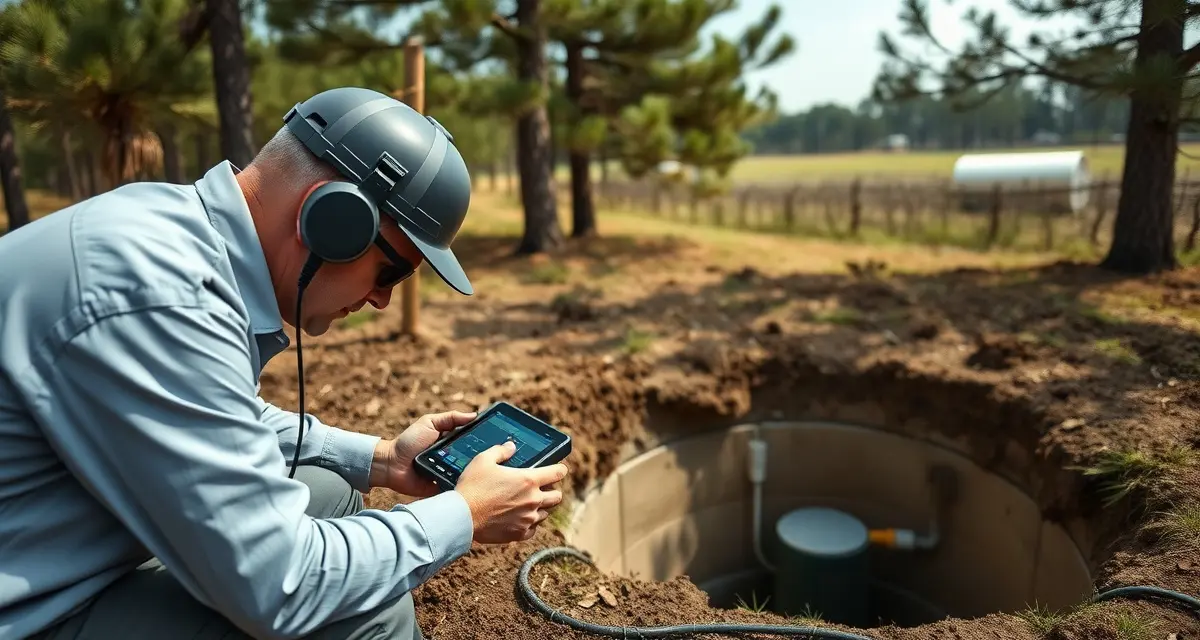
Septic Service Software for Mississippi Companies
By the SepticMind Editorial Team
Mississippi has one of the highest rates of septic dependency in the country, more than 30% of households rely on onsite wastewater systems, concentrated in the rural Delta, Pine Belt, and hill country regions. The Mississippi State Department of Health (MSDH) administers the regulatory program through county health departments, and the state has strict septage disposal manifest requirements that generate enforcement actions when haulers fall behind.
TL;DR
- Mississippi septic regulations are administered at the state level with enforcement typically delegated to county health or environmental departments.
- Licensing requirements for pumping, inspection, and installation work vary by county within Mississippi and should be verified with local authorities.
- Operating, maintenance, and inspection reporting requirements in Mississippi differ for conventional systems versus alternative systems like ATUs.
- Companies operating in multiple Mississippi counties need to track permit and reporting requirements by county, not just by state.
- State-mandated inspection report formats in Mississippi must be used for regulatory submissions; generic forms are typically not accepted.
- SepticMind's permit database covers Mississippi county-level requirements to reduce the research burden for multi-county operations.
The Direct Answer
Mississippi septic companies need software with MSDH-compliant inspection templates, permit tracking for all 82 Mississippi county health departments, and automated manifest filing to meet the state's short disposal reporting deadlines. SepticMind covers all 82 Mississippi counties with state-specific inspection templates and manifest tracking built in.
Mississippi's Regulatory Framework
Mississippi regulates onsite sewage systems under MSDH Regulation MSDH-OES (Regulations Governing Individual Sewage Disposal Systems). County health departments issue permits for new installations and repairs.
Mississippi is known for its strict septage manifest requirements. Licensed haulers must document every pump-out with disposal records filed within a short window. The state's environmental enforcement history shows consistent action against haulers who don't maintain proper disposal documentation. Automated manifest tracking isn't optional in this market, it's essential.
What Makes Mississippi Different
Septage disposal manifest enforcement. Mississippi's hauler documentation requirements are actively enforced. Companies that do high pump-out volumes without automated manifest tracking accumulate compliance gaps quickly. The manual paperwork burden at any real volume is significant.
Rural poverty and infrastructure gaps. Mississippi's rural counties have high concentrations of older, deteriorating septic systems and limited local enforcement capacity. Failed systems that would be promptly remediated in suburban markets may persist longer in rural Mississippi. When they do come to inspection, typically in real estate transactions, the documentation requirements are the same as anywhere else.
82 counties, varying health department capacity. Hinds County (Jackson), Harrison County (Gulf Coast), and DeSoto County (Memphis suburb) have well-staffed health departments. Many rural Mississippi counties have limited environmental health staff covering large service areas.
Get Started with SepticMind
Operating in Mississippi means navigating county-level variation in permit requirements, inspection formats, and reporting deadlines. SepticMind's permit database covers Mississippi counties with forms, fee schedules, and timelines so you are prepared before you apply. See how it supports compliance in your service area.
FAQ
Does SepticMind handle Mississippi's septage disposal manifest requirements?
Yes. SepticMind generates disposal manifests for each pump-out, records disposal facility, date, and volume, and tracks filing deadlines with alerts. This automates the most compliance-sensitive documentation requirement for Mississippi haulers.
Does SepticMind cover all 82 Mississippi county health departments?
Yes. All 82 Mississippi counties are in SepticMind's permit database with county health department contacts, permit requirements, and fee information.
What Mississippi contractor certifications does SepticMind track?
SepticMind tracks MSDH septic system installer licenses and pumper registrations with renewal deadline alerts. The system can track multiple staff certifications per company, with alerts to the company owner and relevant staff member when renewals are approaching.
What state agency regulates septic systems in Mississippi?
Septic system regulation in Mississippi falls under the state environmental or health agency, with day-to-day enforcement handled by county health departments or environmental offices. Licensing for pumping, installation, and inspection work is issued at the state level, but permit applications for individual projects are reviewed at the county level. Contact both the state agency and your specific county office to confirm current requirements, since county rules can differ from the state baseline.
Do Mississippi septic inspection reports need to be filed with the county?
In Mississippi, most inspection reports for real estate transactions and O&M permit systems must be filed with the relevant county health department or environmental office within the timeframe specified by state regulation. The required form and filing timeline vary by report type; real estate inspection reports typically have stricter deadlines than routine O&M reports. Using state-standardized digital report templates ensures the format meets Mississippi's requirements and can be submitted electronically.
Try These Free Tools
Sources
- National Onsite Wastewater Recycling Association (NOWRA)
- US EPA Office of Wastewater Management
- NSF International
- Water Environment Federation
- National Environmental Services Center (NESC)