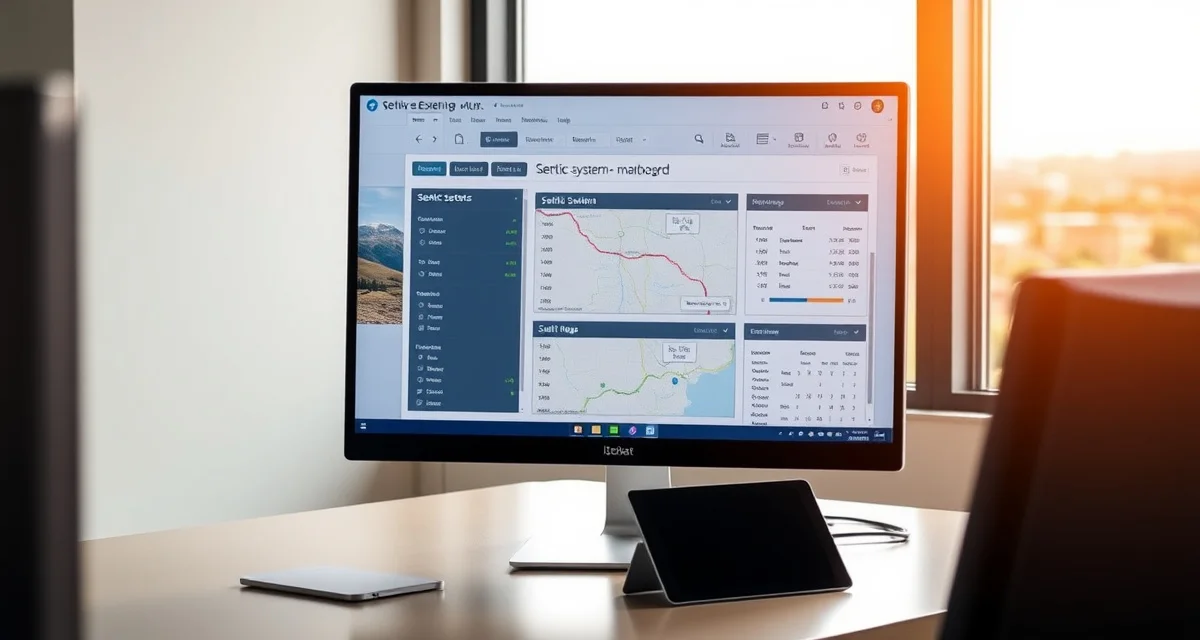
Septic Service Software for Idaho Companies
By the SepticMind Editorial Team
Idaho's septic landscape is defined by its geography. Dense residential development in the Treasure Valley (Ada, Canyon counties), resort communities in the mountain areas (Blaine, Teton, Bonner, Boundary counties), and vast rural service areas across southern and eastern Idaho. The regulatory framework is statewide under IDEQ, but the practical service challenges vary enormously by region.
TL;DR
- Idaho septic regulations are administered at the state level with enforcement typically delegated to county health or environmental departments.
- Licensing requirements for pumping, inspection, and installation work vary by county within Idaho and should be verified with local authorities.
- Operating, maintenance, and inspection reporting requirements in Idaho differ for conventional systems versus alternative systems like ATUs.
- Companies operating in multiple Idaho counties need to track permit and reporting requirements by county, not just by state.
- State-mandated inspection report formats in Idaho must be used for regulatory submissions; generic forms are typically not accepted.
- SepticMind's permit database covers Idaho county-level requirements to reduce the research burden for multi-county operations.
The Direct Answer
Idaho septic companies need software with IDEQ-compliant inspection documentation, county permit tracking across Idaho's 44 counties, and route tools that handle both Treasure Valley suburban density and rural multi-county driving. SepticMind covers all 44 Idaho counties, includes Idaho Central District Health and regional health district templates, and optimizes routes for Idaho's terrain.
Idaho's Regulatory Framework
Idaho's Department of Environmental Quality (IDEQ) regulates onsite wastewater systems under Idaho Code Title 39, Chapter 1 and IDAPA 58.01.03 (Subsurface Sewage Disposal Rules). Implementation flows through Idaho's seven Public Health Districts rather than county-level health departments in most areas.
Idaho's Regional Health Districts (Central District Health, Southwest District Health, South Central District Health, Southeast District Health, Eastern Idaho Public Health, North Central District Health, Panhandle Health District) each have permit issuance authority within their districts. Processing times and specific requirements vary by district.
What Makes Idaho Different
Resort county ATU density. Sun Valley (Blaine County), Jackson Hole area (Teton County), Sandpoint (Bonner County), and McCall (Valley County) all have high proportions of alternative system installations due to shallow soils, proximity to water bodies, and high-end residential development. ATU maintenance contracts are a significant business line for companies serving these resort communities.
Treasure Valley growth. Ada County and Canyon County are among the fastest-growing counties in the United States. New residential development is constant, new installation permits are a regular business driver, and the volume of systems coming due for first pump-out is growing every year.
Seasonal access in mountain areas. Like Colorado and Montana, Idaho's mountain county service involves compressed seasons, property owners who may be absent for much of the year, and access logistics that require planning.
Get Started with SepticMind
Operating in Idaho means navigating county-level variation in permit requirements, inspection formats, and reporting deadlines. SepticMind's permit database covers Idaho counties with forms, fee schedules, and timelines so you are prepared before you apply. See how it supports compliance in your service area.
FAQ
Does SepticMind cover Idaho's Public Health District structure?
Yes. SepticMind's permit database is organized by Idaho's seven Public Health Districts and the counties within each district. When a job is created, the system loads the applicable district's permit requirements automatically.
How does SepticMind handle Idaho resort community scheduling?
For mountain resort communities like Sun Valley, McCall, and Sandpoint, SepticMind supports seasonal access configurations, absentee owner contact management, and service interval settings that reflect the higher occupancy loads of vacation properties. O&M contract tracking for ATUs is particularly important in these areas where most systems are alternative type.
What does SepticMind cost for a single-truck Idaho operation?
The Starter plan is $149/month and covers 1-2 trucks with full access to the county permit database, Idaho-specific inspection templates, scheduling, and automated reminders.
What state agency regulates septic systems in Idaho?
Septic system regulation in Idaho falls under the state environmental or health agency, with day-to-day enforcement handled by county health departments or environmental offices. Licensing for pumping, installation, and inspection work is issued at the state level, but permit applications for individual projects are reviewed at the county level. Contact both the state agency and your specific county office to confirm current requirements, since county rules can differ from the state baseline.
Do Idaho septic inspection reports need to be filed with the county?
In Idaho, most inspection reports for real estate transactions and O&M permit systems must be filed with the relevant county health department or environmental office within the timeframe specified by state regulation. The required form and filing timeline vary by report type; real estate inspection reports typically have stricter deadlines than routine O&M reports. Using state-standardized digital report templates ensures the format meets Idaho's requirements and can be submitted electronically.
Try These Free Tools
Sources
- National Onsite Wastewater Recycling Association (NOWRA)
- US EPA Office of Wastewater Management
- NSF International
- Water Environment Federation
- National Environmental Services Center (NESC)