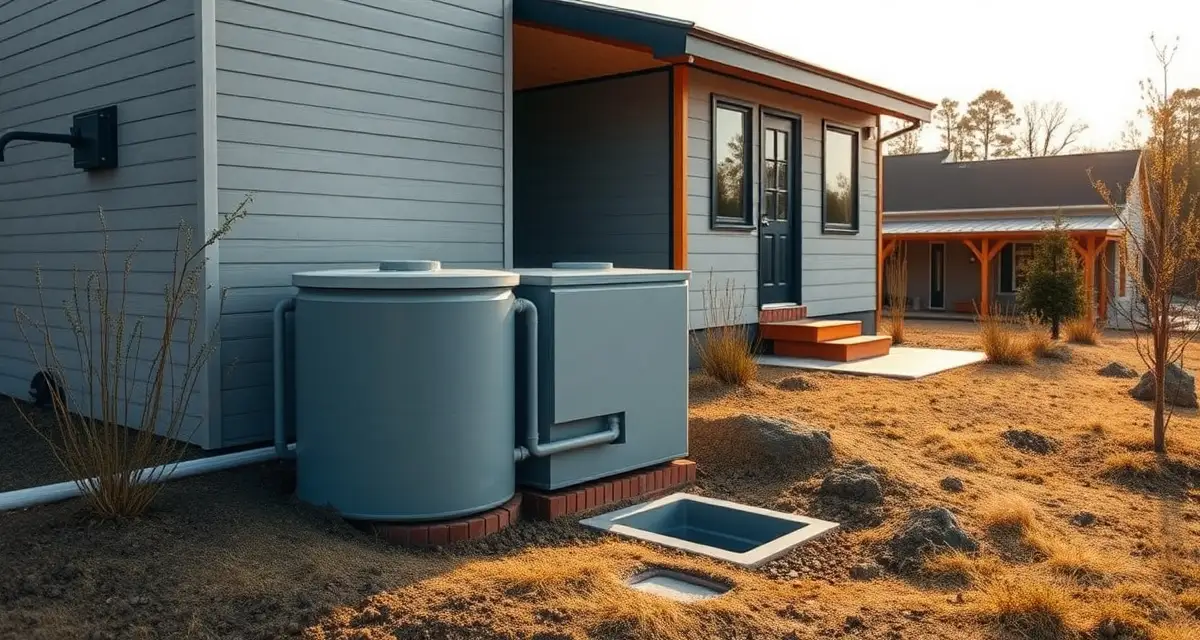
Septic Service for Tiny Homes and Micro-Dwellings
By the SepticMind Editorial Team
States have widely varying rules on whether tiny homes on wheels can connect to permanent septic systems, a fundamental question that's far from settled in most regulatory frameworks. Many jurisdictions require minimum septic tank sizes that exceed what tiny home owners expect to need, creating a disconnect between the owner's assumptions about their minimal footprint and the regulatory reality they face.
TL;DR
- Tiny Homes facilities have distinct wastewater loading patterns that affect septic system sizing, service frequency, and permit requirements.
- Commercial and institutional properties like tiny homes typically require more frequent pumping than residential systems due to higher daily usage.
- Some tiny homes operations generate waste streams (grease, chemicals, or high-volume flow) that require pre-treatment before reaching the septic system.
- Service contracts for tiny homes provide predictable recurring revenue and are easier to manage with a platform that tracks commercial account schedules.
- Health department inspections for tiny homes properties may require septic system condition documentation as part of facility licensing.
- Septic companies specializing in tiny homes service build referral networks with property managers, architects, and health inspectors in that niche.
SepticMind's tank database tracks the non-standard sizes common in tiny home installations so service records accurately reflect the system that's actually installed.
The Regulatory Landscape for Tiny Home Septic
Tiny homes fall into two broad categories with very different regulatory treatment:
Tiny homes on wheels (THOWs). THOWs are classified as recreational vehicles in most states. RV classification means they're regulated under RV codes rather than residential building codes, and most RV parks and RV-appropriate sites provide hookup to campground-style sewer connections rather than individual on-site systems. Tiny homes on wheels that attempt to connect to a permanent on-site septic system face regulatory questions about whether an RV can legally connect to a permitted OSSF or onsite wastewater system designed for permanent residential use.
Tiny homes on foundations. A tiny home built on a permanent foundation is classified as a residential dwelling in most jurisdictions, regardless of square footage. As a residential dwelling, it's subject to standard residential septic permit requirements, including minimum system sizing that may seem disproportionate to the home's actual occupancy and water use.
The regulatory answer for any specific tiny home installation depends on the jurisdiction (state, county, municipality) and the classification of the dwelling, which is why there's no single national answer.
Minimum Septic Tank Size Requirements
Many states set minimum septic tank sizes that apply to all residential dwellings regardless of size. Common minimums:
- Most states: 1,000-gallon minimum for any residential OSSF
- Some states: 1,250 or 1,500-gallon minimum for new installations
- A few states: calculated minimums based on bedroom count with a floor
For a tiny home with one bedroom and two occupants generating perhaps 50-75 gallons per day, a 1,000-gallon tank represents roughly 13-20 days of storage, more than adequate. But the minimum tank size is set by regulation, not by actual need, so tiny home owners who research minimum tank requirements may be surprised to find they need a system that feels oversized relative to their dwelling.
What matters for service purposes: know that tiny home septic systems often exist in a gray area between what was permitted and what the owner believes they have. When taking on a tiny home account, verify the actual system type and size rather than assuming it matches the owner's description.
Permits for Tiny Home Septic Systems
THOWs. If the THOW is connected to a campground or RV park's shared wastewater system, there's no individual permit, the park's permitted system covers the connection. If the THOW owner is attempting to install an individual on-site system for a permanently sited unit, they face the regulatory question of whether the jurisdiction will issue a residential OSSF permit for a structure classified as an RV.
Foundation tiny homes. These require standard residential OSSF or building permits with a licensed installer and a permit inspection before occupancy. The permit process is the same as for any small residential structure.
Composting and alternative systems. Some tiny home owners pursue composting toilets or other alternative systems to reduce or eliminate wastewater generation. These alternatives have their own regulatory requirements, greywater-only systems (washing and cooking water, no sewage) have separate permit requirements in most states, and composting toilets require approval under state solid waste or plumbing codes.
What Service Companies Need to Know
When you encounter a tiny home septic account:
Verify the permit status. Was the system permitted? Some tiny homes (particularly THOWs or foundation homes in rural areas) may have improvised systems installed without permits. A system without permit documentation creates service and liability complications.
Document the actual tank. Tiny home installations sometimes use non-standard tanks, salvaged tanks, manufactured home tanks, or tanks smaller than state minimums. Document what's actually in the ground, not what the owner believes is there.
Confirm legal connection for THOWs. If the THOW is connected to a system on a rural property, understand how that connection is structured. Is the THOW connected to the property's main system? Does the property's permit cover the additional loading from the THOW?
Septic installation permit requirements covers the permit documentation requirements that apply to residential systems including small dwellings. County permit requirements for septic covers how county-level variation affects the specific rules that apply in your service area.
Get Started with SepticMind
Managing service contracts for tiny homes properties is easier with a platform built for the septic trade. SepticMind tracks commercial service schedules, documents every inspection visit, and keeps your compliance records organized by property. See how it handles your commercial account portfolio.
Frequently Asked Questions
What size septic system is required for a tiny home?
The required system size depends on your state's minimum sizing rules and the local permit authority's interpretation. Most states set a minimum septic tank size (commonly 1,000 gallons) that applies to all residential dwellings regardless of square footage. The drainfield or dispersal system size is typically calculated from estimated daily flow, with state rules providing minimum daily flow assumptions by bedroom count. Many states assume a minimum flow of 75-100 gallons per bedroom per day regardless of actual occupancy or fixtures, which can result in drainfield sizing requirements that feel disproportionate to a tiny home's actual water use. A licensed designer or the local permit authority can provide the specific sizing requirements for your jurisdiction.
Can a tiny home legally connect to an existing residential septic system?
Whether a tiny home (especially a THOW) can legally connect to an existing residential septic system depends on the jurisdiction and the original system's permit scope. In many states, the existing septic system permit covers a specific primary dwelling. Adding another dwelling unit to the same system without permit modification would violate the permit terms. Some rural property owners add a tiny home to their property and connect it to the existing system without notifying the permit authority, which is typically a code violation that creates compliance risk if discovered. If a property owner wants to add a tiny home with a connection to an existing system, the right approach is to contact the local permit authority about permit modification requirements for the additional loading before making the connection.
What permits are required to install a septic system for a tiny home?
For a tiny home on a foundation classified as a residential dwelling, the permit requirements are the same as for any residential OSSF or onsite sewage installation: a site evaluation (soil testing, percolation testing), a design prepared by a licensed designer or engineer, a permit application to the local permit authority, a licensed contractor installation, and a final inspection before the system is placed in service. For a THOW attempting to install an individual on-site system, the regulatory path is less clear, some jurisdictions won't issue a residential OSSF permit for a structure classified as an RV, and the owner may need to either reclassify the dwelling or use an RV-appropriate wastewater solution like connection to a permitted campground system.
How often should a septic system serving a tiny homes property be inspected?
Septic systems at tiny homes properties should be inspected at least annually and pumped more frequently than residential systems, since commercial-scale daily water usage accelerates sludge and grease accumulation. The exact frequency depends on the specific activities at the facility, peak occupancy, any food service or chemical use on-site, and local regulatory requirements. A service provider familiar with tiny homes operations can recommend an appropriate inspection and pumping schedule based on the system's actual usage profile.
What septic system issues are most common at tiny homes properties?
The most common septic problems at tiny homes properties are rapid sludge accumulation from high occupancy, grease trap failure if food service is involved, hydraulic overloading during peak-use periods, and non-biodegradable waste disposal from cleaning or maintenance activities. Regular inspection and a service contract with clear maintenance intervals are the most effective ways to catch these problems before they cause system failure or regulatory violations.
Try These Free Tools
Sources
- National Onsite Wastewater Recycling Association (NOWRA)
- US EPA Office of Wastewater Management
- NSF International
- Water Environment Federation
- National Environmental Services Center (NESC)