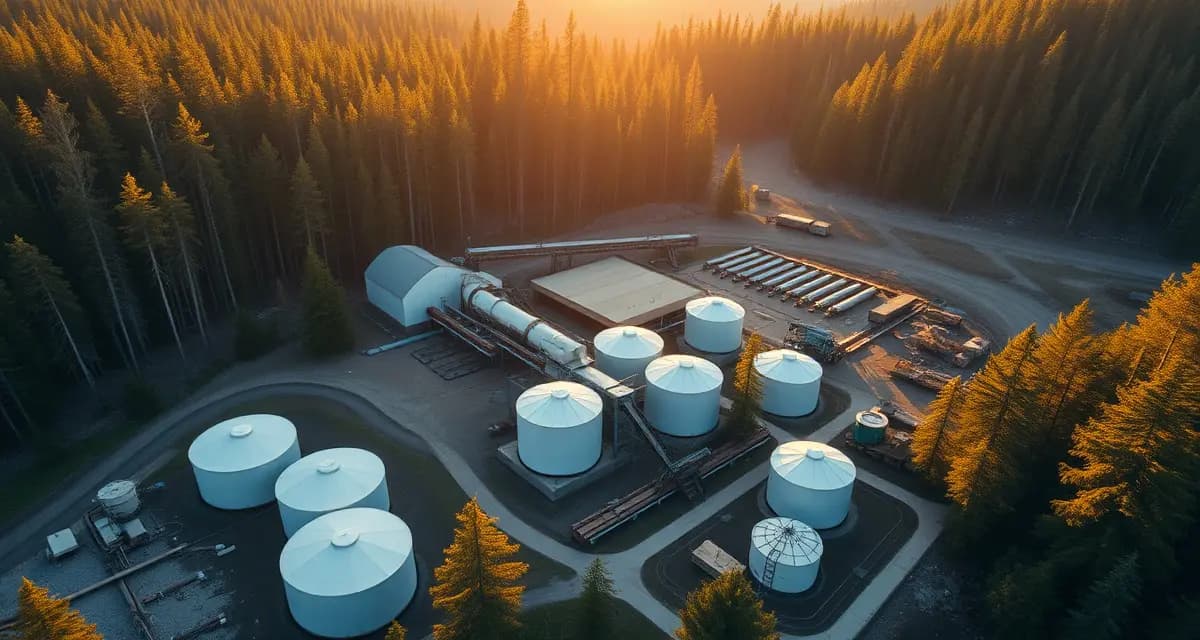
Septic Service for Sawmills and Wood Processing Facilities
By the SepticMind Editorial Team
Sawmill and wood processing facilities often have two things in common: remote locations and septic systems that haven't been professionally managed in years. Remote sawmill facilities often have aging septic systems that have not been professionally managed, and sawmill worker sanitation compliance is an OSHA requirement regardless of facility remoteness.
TL;DR
- Sawmills facilities have distinct wastewater loading patterns that affect septic system sizing, service frequency, and permit requirements.
- Commercial and institutional properties like sawmills typically require more frequent pumping than residential systems due to higher daily usage.
- Some sawmills operations generate waste streams (grease, chemicals, or high-volume flow) that require pre-treatment before reaching the septic system.
- Service contracts for sawmills provide predictable recurring revenue and are easier to manage with a platform that tracks commercial account schedules.
- Health department inspections for sawmills properties may require septic system condition documentation as part of facility licensing.
- Septic companies specializing in sawmills service build referral networks with property managers, architects, and health inspectors in that niche.
The remoteness isn't a defense. OSHA's sanitation standards require proper toilet and handwashing facilities for workers, and those facilities need to be maintained. A sawmill operator who tells an OSHA inspector that the outhouse is old but "still works" is having a bad day.
OSHA Sanitation Requirements at Sawmills
OSHA's sanitation standards under 29 CFR 1910.141 apply to most sawmill facilities. The key requirements:
Toilet facilities: OSHA requires one toilet per 20 employees for single-gender facilities. For mixed-gender facilities, separate facilities are required. These must be maintained in a clean and sanitary condition.
Handwashing facilities: Accessible handwashing stations with water, soap, and drying materials are required near toilet facilities.
Functioning sanitation: The requirement isn't just that toilet facilities exist. They must be functional. A toilet connected to a backed-up or failing septic system is not a compliant toilet facility.
At a sawmill with 25 workers, OSHA requires at least two toilet facilities. If those facilities share a single septic system that hasn't been pumped in 10 years, you're one OSHA inspection away from a citation.
The Remote Location Challenge
Sawmill facilities are typically in rural, sometimes very remote locations. Getting a pump truck to the site may require driving several miles on logging roads or forest service roads with seasonal access limitations. This logistics challenge is real, but it doesn't exempt the facility from maintenance requirements. It just means planning further ahead.
SepticMind's remote industrial facility account type documents access conditions and service logistics for every facility. When the next service provider shows up, they know what road conditions to expect, whether a high-clearance vehicle is needed, and whether seasonal access limitations affect scheduling.
Access notes should document:
- Road type and condition (paved, gravel, seasonal logging road)
- Clearance requirements for large pump trucks
- Seasonal access limitations (spring mud season, winter road closures)
- Gate codes or contact information for site access
- Distance from the nearest pump truck's service area
Typical Septic System Types at Sawmills
Many remote sawmill facilities were built with whatever system was locally available at the time, often decades ago. Common configurations include:
Conventional gravity systems: The most common type. Where soils are adequate, a standard septic tank and drainfield. These age well with proper maintenance but may have been ignored for years.
Cesspools or outhouses: Older facilities, particularly those built before modern septic codes, may have pit privies or cesspools rather than modern septic systems. These may not meet current OSHA or county health department standards and may need to be replaced.
Holding tanks: For locations where soil conditions or site constraints prevent drainfield installation, holding tanks that are periodically pumped are sometimes the only option.
The first step for a sawmill that hasn't had professional septic assessment recently is to have the system inspected and the current condition documented. You need to know what you actually have before you can manage it properly.
Wood Processing Wastewater Considerations
Standard sawmill operations produce wood dust, sawdust, and wood debris but not unusual chemical wastewater. The septic load from a sawmill is primarily from worker toilet and handwashing use, which is standard residential-equivalent gray water and sewage.
Some wood processing facilities that use chemical treatments (preservatives, fire retardants, or pressure treatment chemicals) may have more complex wastewater issues. Facilities using CCA (chromated copper arsenate) or other wood treatment chemicals have EPA-regulated wastewater streams that cannot enter a standard onsite septic system. Confirm with your county environmental office if any treatment chemicals are used at your facility.
For farm operations with adjacent wood processing, similar remote location management challenges apply.
Get Started with SepticMind
Managing service contracts for sawmills properties is easier with a platform built for the septic trade. SepticMind tracks commercial service schedules, documents every inspection visit, and keeps your compliance records organized by property. See how it handles your commercial account portfolio.
Frequently Asked Questions
What OSHA sanitation requirements apply to sawmill worker facilities?
Sawmills are covered by OSHA's general industry sanitation standard (29 CFR 1910.141), which requires proper toilet facilities for all workers. At minimum, one toilet facility per 20 workers, accessible handwashing stations near restrooms, and facilities that are clean, sanitary, and functional. Functioning means the connected septic or sewage system must be working. An OSHA inspector who finds toilet facilities connected to a backed-up or overflowing septic system will issue a citation regardless of whether the physical fixture appears intact. OSHA can also cite the lack of accessible handwashing stations adjacent to restrooms.
What septic system types are common in remote sawmill locations?
Remote sawmill facilities commonly have conventional gravity septic systems where soils allow, cesspools or pit privies in older pre-code facilities, and occasionally holding tanks where drainfield installation isn't feasible. Older systems that have been in place for decades without professional service may still be functional but are at elevated risk of failure. Facilities with pre-modern systems that don't meet current county health department standards may need system upgrades to achieve compliance. The first step for any facility without recent professional assessment is a current inspection to document what the system actually is and what condition it's in.
Does SepticMind support remote location service documentation for sawmill accounts?
Yes. SepticMind's remote industrial facility account type is designed for facilities like sawmills where service logistics are as important as the service itself. The account documents road access conditions, vehicle requirements, seasonal limitations, site contact information, and any other logistics details that service providers need to know before scheduling a visit. System specifications and service history are maintained alongside the access notes. For sawmill operators managing multiple sites across a timber operation, all locations can be tracked under one account, with each facility's access and compliance information immediately available when scheduling service.
How often should a septic system serving a sawmills property be inspected?
Septic systems at sawmills properties should be inspected at least annually and pumped more frequently than residential systems, since commercial-scale daily water usage accelerates sludge and grease accumulation. The exact frequency depends on the specific activities at the facility, peak occupancy, any food service or chemical use on-site, and local regulatory requirements. A service provider familiar with sawmills operations can recommend an appropriate inspection and pumping schedule based on the system's actual usage profile.
What septic system issues are most common at sawmills properties?
The most common septic problems at sawmills properties are rapid sludge accumulation from high occupancy, grease trap failure if food service is involved, hydraulic overloading during peak-use periods, and non-biodegradable waste disposal from cleaning or maintenance activities. Regular inspection and a service contract with clear maintenance intervals are the most effective ways to catch these problems before they cause system failure or regulatory violations.
Try These Free Tools
Sources
- National Onsite Wastewater Recycling Association (NOWRA)
- US EPA Office of Wastewater Management
- NSF International
- Water Environment Federation
- National Environmental Services Center (NESC)