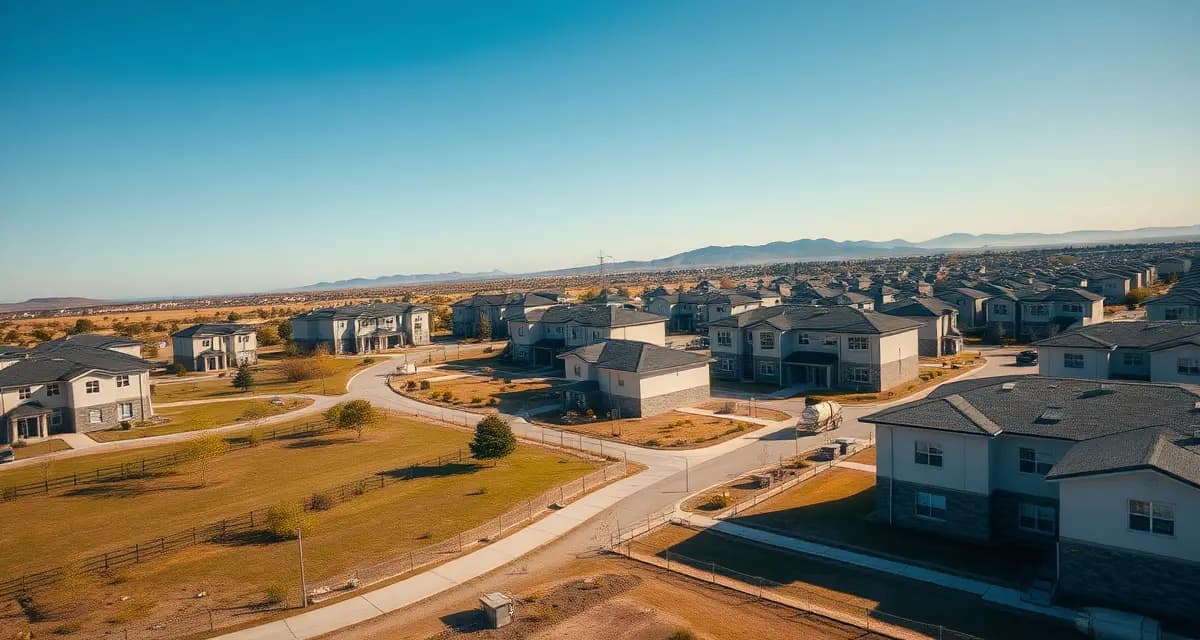
Septic Service for Military Base Housing Areas
By the SepticMind Editorial Team
Military base housing septic systems are subject to DoD environmental policy alongside state requirements, and Installation Environmental offices oversee septic compliance for all on-base housing with private systems. Military families in base housing typically have no direct responsibility for septic maintenance, but installation environmental and facilities management offices do, and the compliance framework they operate under is more complex than typical residential or commercial septic management.
TL;DR
- Military Bases facilities have distinct wastewater loading patterns that affect septic system sizing, service frequency, and permit requirements.
- Commercial and institutional properties like military bases typically require more frequent pumping than residential systems due to higher daily usage.
- Some military bases operations generate waste streams (grease, chemicals, or high-volume flow) that require pre-treatment before reaching the septic system.
- Service contracts for military bases provide predictable recurring revenue and are easier to manage with a platform that tracks commercial account schedules.
- Health department inspections for military bases properties may require septic system condition documentation as part of facility licensing.
- Septic companies specializing in military bases service build referral networks with property managers, architects, and health inspectors in that niche.
The DoD Environmental Compliance Framework
Department of Defense environmental policy governs environmental compliance across all military installations. For onsite wastewater systems in housing areas, the relevant frameworks include:
DoD Instruction 4715.01: DoD Environment, Safety, and Occupational Health Policy establishes the overarching framework for environmental compliance at DoD installations.
Federal Facilities Compliance Act: Requires federal facilities, including military installations, to comply with state environmental laws. This means military base septic systems must meet state onsite wastewater standards.
Installation Restoration Program: Addresses environmental cleanup at installations with historical contamination. May be relevant to older base housing areas with aging septic infrastructure.
DoD Unified Facilities Criteria (UFC): Technical standards for military construction include onsite wastewater system design criteria that may be more stringent than local standards.
The Installation Environmental office is the primary DoD compliance authority at the local level. They coordinate with state environmental agencies on compliance matters affecting base septic systems.
SepticMind's military housing account type documents DoD environmental compliance requirements alongside state septic rules, keeping both frameworks in one organized record.
Types of Military Base Housing on Private Septic
Not all military housing is on municipal sewer. Common configurations:
Remote base sections: Installations with large land areas may have housing in outlying areas far from centralized sewer infrastructure. These may be on onsite systems.
Privatized housing: Many military installations have privatized housing under the Military Housing Privatization Initiative (MHPI). MHPI housing is managed by private real estate developers who take on maintenance responsibility, including septic management for units on private systems.
Guard and Reserve installations: Many National Guard and Reserve installations have associated housing or visitor quarters on private septic. These typically smaller installations may not have municipal sewer access.
Overseas installations: US military installations overseas are subject to host nation environmental agreements (SOFAs) as well as DoD standards. This is a specialized compliance context outside the scope of this guide.
MHPI and Privatized Housing Compliance
For military housing managed under MHPI privatization, the private housing management company is contractually responsible for facility maintenance including septic systems. Their contract with the military service includes performance standards that cover habitability and facility condition.
MHPI housing companies are accountable to both DoD (through the Privatization Project Office) and to the tenant military families. Service failures in privatized housing create complaints that go to both channels. Organized septic maintenance documentation is part of demonstrating compliance with MHPI performance standards.
Coordination With State Environmental Agencies
Military installations must coordinate with state environmental agencies on septic compliance, but the process is different from a private property owner's interaction with the county health department:
- The installation legal office or environmental attorney typically handles formal regulatory communications
- The Installation Environmental office manages the ongoing compliance relationship
- State environmental agencies may conduct formal inspections of military installations under the Federal Facilities Compliance Act
Having organized service documentation that satisfies state environmental standards is the installation's responsibility. Disorganized records or maintenance gaps create problems during state agency facility reviews.
For military facilities like armories and reserve centers with dual-agency compliance requirements, the same documentation framework applies. For state onsite wastewater regulations, the state environmental standards that apply to military facilities under the FFCA are the same standards that apply to other commercial and residential facilities in the state.
Get Started with SepticMind
Managing service contracts for military bases properties is easier with a platform built for the septic trade. SepticMind tracks commercial service schedules, documents every inspection visit, and keeps your compliance records organized by property. See how it handles your commercial account portfolio.
Frequently Asked Questions
What DoD and state requirements govern military base housing septic systems?
Military base housing septic systems are subject to DoD environmental policy through DoD Instruction 4715.01 and related directives, which establish environmental compliance standards across all DoD installations. Under the Federal Facilities Compliance Act, military installations must also comply with applicable state environmental laws, including state onsite wastewater regulations. The Installation Environmental office coordinates compliance with both DoD policy and state environmental agencies. For privatized housing under MHPI, the private housing management company bears maintenance responsibility under its MHPI contract, which includes performance standards for facility habitability.
Who manages septic compliance for military base family housing?
For government-owned base housing, the Installation Facilities Management and Installation Environmental offices are responsible for septic compliance. For privatized housing under the Military Housing Privatization Initiative, the private housing management company has contractual maintenance responsibility. Military families in base housing typically don't have direct septic management responsibilities; that responsibility rests with the installation or the housing company, depending on housing ownership structure. Tenant complaints about sanitation issues in base housing go to the housing office, and recurring problems should be escalated to the Installation Environmental office if the housing company isn't addressing them.
Does SepticMind support DoD environmental compliance documentation for military housing accounts?
Yes. SepticMind's military housing account type is designed for the dual-compliance environment of military base housing septic systems. The account captures applicable DoD environmental policy requirements alongside state septic regulations. Service records are maintained in a format suitable for both installation environmental reviews and state environmental agency inspections. For MHPI housing companies managing multiple military housing communities, all installations can be tracked under a single corporate account with compliance status visible across all managed properties. Automated service reminders prevent missed maintenance windows, and the system supports the documentation formats that both DoD auditors and state environmental agencies typically require.
How often should a septic system serving a military bases property be inspected?
Septic systems at military bases properties should be inspected at least annually and pumped more frequently than residential systems, since commercial-scale daily water usage accelerates sludge and grease accumulation. The exact frequency depends on the specific activities at the facility, peak occupancy, any food service or chemical use on-site, and local regulatory requirements. A service provider familiar with military bases operations can recommend an appropriate inspection and pumping schedule based on the system's actual usage profile.
What septic system issues are most common at military bases properties?
The most common septic problems at military bases properties are rapid sludge accumulation from high occupancy, grease trap failure if food service is involved, hydraulic overloading during peak-use periods, and non-biodegradable waste disposal from cleaning or maintenance activities. Regular inspection and a service contract with clear maintenance intervals are the most effective ways to catch these problems before they cause system failure or regulatory violations.
Try These Free Tools
Sources
- National Onsite Wastewater Recycling Association (NOWRA)
- US EPA Office of Wastewater Management
- NSF International
- Water Environment Federation
- National Environmental Services Center (NESC)