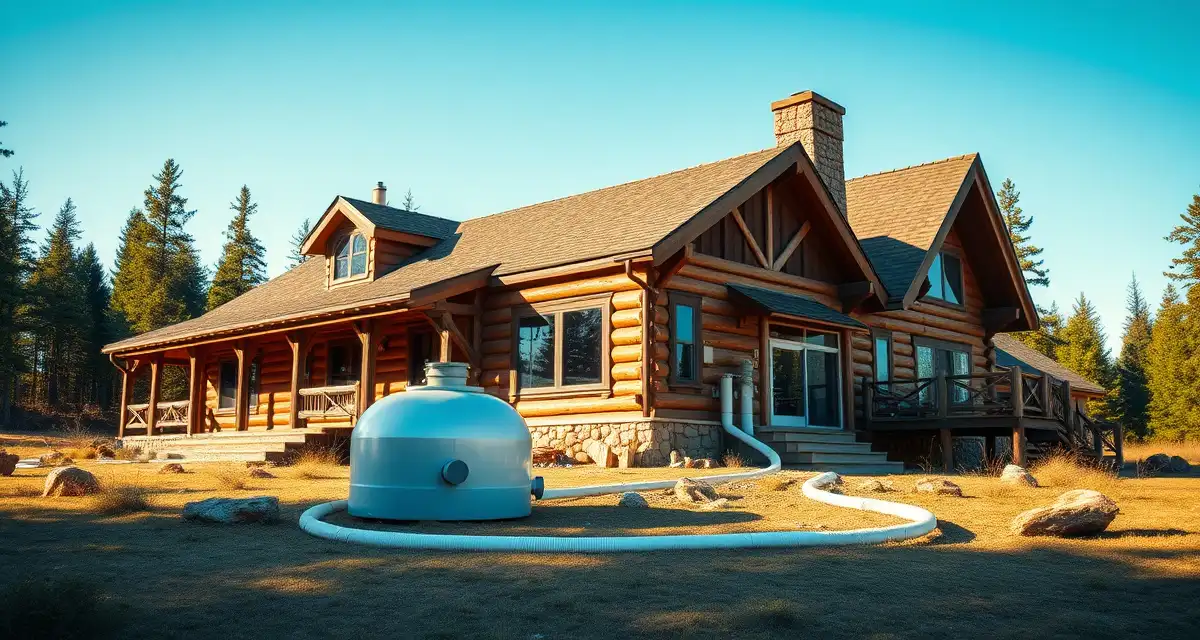
Septic Service for Hunting Outfitters and Lodges
By the SepticMind Editorial Team
Remote hunting outfitter facilities may have seasonal road access that limits when service can be scheduled, and a septic failure at a hunting outfitter during deer season creates immediate guest and operator crises. Hunters who've paid premium rates for a guided experience, often years in advance, aren't understanding about sanitation failures. The season is finite, the dates can't move, and there's no second chance to deliver the experience.
TL;DR
- Hunting Outfitters facilities have distinct wastewater loading patterns that affect septic system sizing, service frequency, and permit requirements.
- Commercial and institutional properties like hunting outfitters typically require more frequent pumping than residential systems due to higher daily usage.
- Some hunting outfitters operations generate waste streams (grease, chemicals, or high-volume flow) that require pre-treatment before reaching the septic system.
- Service contracts for hunting outfitters provide predictable recurring revenue and are easier to manage with a platform that tracks commercial account schedules.
- Health department inspections for hunting outfitters properties may require septic system condition documentation as part of facility licensing.
- Septic companies specializing in hunting outfitters service build referral networks with property managers, architects, and health inspectors in that niche.
SepticMind's remote lodge account type documents seasonal access conditions for every outfitter property. Getting the logistics right is as important as the maintenance itself when you're dealing with remote locations.
The Remote Location Challenge
Remote hunting outfitter locations present septic management challenges that suburban commercial properties never face:
Seasonal road access: Many outfitter properties are accessible only when roads are passable. Spring mud season may close access for weeks. Early snow can limit fall access. Knowing your access window and scheduling service within it is the foundation of remote property septic management.
Long distance from service providers: A pump truck that normally works in town may charge significant travel premiums to reach a remote hunting property. Establishing a relationship with a service provider familiar with your area is important before you need emergency service.
Harsh environmental conditions: Temperature extremes, ground freezing, and spring thaw create mechanical stress on tanks and lines that urban systems never experience. Annual inspection after spring thaw and before hunting season is good practice.
Limited water infrastructure: Remote hunting properties may rely on springs, wells, or cisterns for water supply. Understanding the water supply and wastewater relationship is important for managing the entire system.
Variable seasonal use: The septic system may sit dormant for much of the year and then experience intensive residential-level use during a 2-4 week hunting season.
Access Documentation Is Critical
For remote hunting properties, access documentation may be the single most important maintenance management tool. When you call for service, the provider needs to know:
- Distance from the nearest paved road
- Road type (gravel, dirt, two-track, seasonal logging road)
- Whether road is passable for a standard pump truck or requires a specialty vehicle
- Any gates, locked access points, or private land crossings
- Seasonal access limitations (mud season, winter snow depth, flooding)
- GPS coordinates or detailed directions since the property may not appear on standard maps
- On-site contact information for when the provider arrives
Document all of this in your service records so it doesn't have to be reconstructed from memory every time you schedule service. SepticMind's remote lodge account type captures all of these details and makes them available to every service provider who accesses the account.
Pre-Season Service: Non-Negotiable
For hunting outfitters, pre-season service before opening week is not optional. The hunting season window is too narrow and too financially significant to risk a septic failure during it.
Pre-season service timing:
Deer/elk archery season (September-October in most states): Service in late August or early September before archery season opens.
Rifle deer season (October-November): Service in September or early October if not already done for archery season.
Late season or winter hunting: Service in fall before heavy snow limits access.
If your outfitter operation also supports spring turkey season or fishing seasons, plan service before each active season period.
Lodge Wastewater Profile
A hunting outfitter lodge during the season serves a residential-equivalent population intensively for a concentrated period. A 10-guest lodge during a 3-week deer season is generating:
- 10 guests x 70 gallons/day x 21 days = 14,700 gallons over the season
- Plus guide staff, kitchen operations, and any off-season caretaker use
For a properly sized system, this load isn't extreme but it needs to go into the season with adequate capacity. A tank that hasn't been pumped since last season may be at 40-50% capacity before guests arrive.
For hunting camps with simpler infrastructure, similar pre-season planning applies. For lodges and resorts with more developed infrastructure and year-round operation, the multi-season service framework is more relevant.
Get Started with SepticMind
Managing service contracts for hunting outfitters properties is easier with a platform built for the septic trade. SepticMind tracks commercial service schedules, documents every inspection visit, and keeps your compliance records organized by property. See how it handles your commercial account portfolio.
Frequently Asked Questions
How do I schedule septic service for a remote hunting outfitter with seasonal road access?
Start by documenting your property's specific access conditions: road type, distance from nearest paved road, seasonal access limitations, and any special vehicle requirements. Contact service providers in the area well before your needed service date, since remote properties require more planning. For pre-season service before hunting season, schedule 6-8 weeks in advance. Don't wait until September to call about service needed before October. Establish a relationship with a provider who knows your area and can commit to specific scheduling windows. For truly remote properties, consider arranging service in late summer when road conditions are typically best, before the fall season creates timing pressure.
What system types work best for remote hunting lodge locations?
Remote hunting lodge locations often work best with conventional gravity systems where soils allow, because gravity systems have no mechanical components that can fail at the worst possible time. Mound systems are common where high water tables or limited soil depth prevent conventional drainfields. Holding tanks with regular pump-outs are sometimes the only option for locations where drainfields genuinely aren't feasible. Aerobic treatment units work in many remote locations but require electricity and more frequent inspection than conventional systems. The system type should match the site conditions, the seasonal use pattern, and the practical service logistics. Consult with a licensed engineer familiar with the region when designing or modifying a system.
Does SepticMind support seasonal access window scheduling for remote outfitter accounts?
Yes. SepticMind's remote lodge account type is designed for exactly this use case. Access conditions are documented in the account: road type, seasonal access window, vehicle requirements, GPS coordinates, and gate information. Service reminders are tied to seasonal access windows, not just arbitrary annual dates, so you're prompted to schedule service during the window when service is actually possible. Pre-season service reminders fire automatically before each hunting season based on your entered hunting calendar. For outfitter operations managing multiple remote properties, all locations have separate access notes and service records under a single account.
How often should a septic system serving a hunting outfitters property be inspected?
Septic systems at hunting outfitters properties should be inspected at least annually and pumped more frequently than residential systems, since commercial-scale daily water usage accelerates sludge and grease accumulation. The exact frequency depends on the specific activities at the facility, peak occupancy, any food service or chemical use on-site, and local regulatory requirements. A service provider familiar with hunting outfitters operations can recommend an appropriate inspection and pumping schedule based on the system's actual usage profile.
What septic system issues are most common at hunting outfitters properties?
The most common septic problems at hunting outfitters properties are rapid sludge accumulation from high occupancy, grease trap failure if food service is involved, hydraulic overloading during peak-use periods, and non-biodegradable waste disposal from cleaning or maintenance activities. Regular inspection and a service contract with clear maintenance intervals are the most effective ways to catch these problems before they cause system failure or regulatory violations.
Try These Free Tools
Sources
- National Onsite Wastewater Recycling Association (NOWRA)
- US EPA Office of Wastewater Management
- NSF International
- Water Environment Federation
- National Environmental Services Center (NESC)