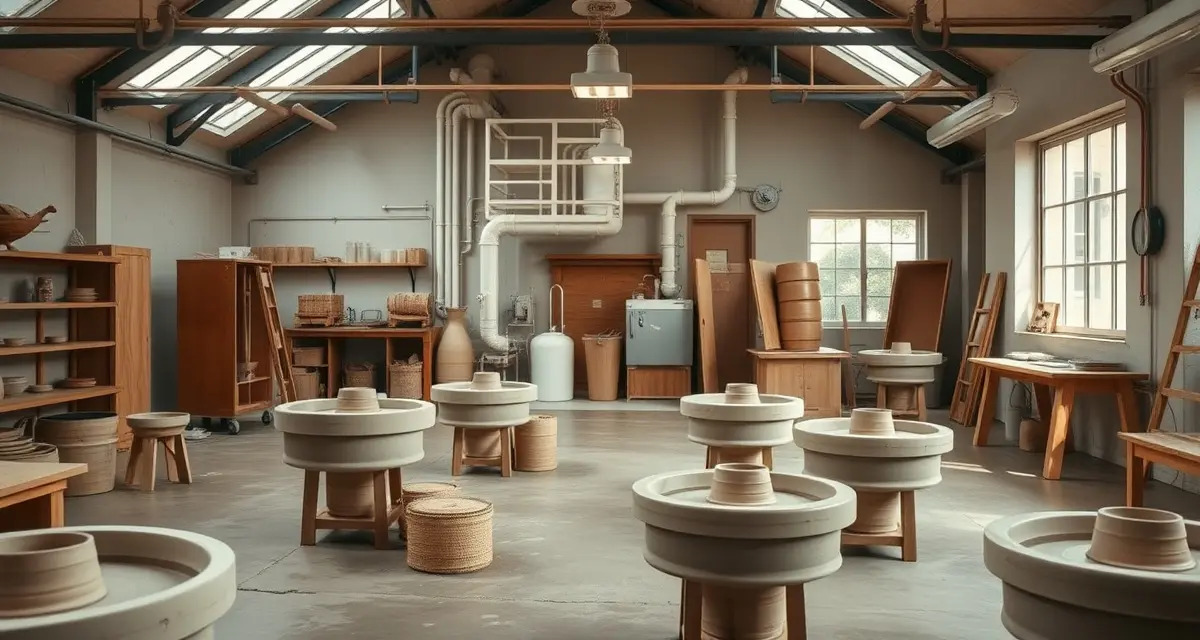
Septic Service for Art Studios and Pottery Facilities
By the SepticMind Editorial Team
EPA prohibits disposal of many art studio solvents and chemicals in septic systems, and pottery and ceramic studio wastewater contains clay particles that accumulate in septic systems rapidly -- clogging drain lines and reducing drainfield absorption capacity faster than standard wastewater loading would. Art studio operators who aren't aware of these risks may be unintentionally damaging their septic systems and creating regulatory exposure they don't know about.
TL;DR
- Art Studios facilities have distinct wastewater loading patterns that affect septic system sizing, service frequency, and permit requirements.
- Commercial and institutional properties like art studios typically require more frequent pumping than residential systems due to higher daily usage.
- Some art studios operations generate waste streams (grease, chemicals, or high-volume flow) that require pre-treatment before reaching the septic system.
- Service contracts for art studios provide predictable recurring revenue and are easier to manage with a platform that tracks commercial account schedules.
- Health department inspections for art studios properties may require septic system condition documentation as part of facility licensing.
- Septic companies specializing in art studios service build referral networks with property managers, architects, and health inspectors in that niche.
SepticMind's studio account type documents high-clay wastewater load considerations in service scheduling, giving septic operators a framework for managing these accounts that reflects what's actually going into the system.
What Makes Art Studio Wastewater Different
Art studios -- particularly ceramics, pottery, printmaking, and painting studios -- produce wastewater that differs from standard residential or commercial flows in several ways:
Clay and silica particles: Pottery and ceramics studios generate wash water laden with clay particles. Clay doesn't break down in a septic system the way organic waste does. Instead, clay particles settle in the tank and accumulate rapidly, accelerating the fill rate significantly. Clay that passes through the tank can clog drainfield soil pores, reducing absorption capacity.
Chemical solvents: Oil-based painting, printmaking, and mixed-media studios use solvents for cleanup -- turpentine, mineral spirits, acetone, and specialty cleaners. Many of these are classified as hazardous and cannot legally be disposed of in septic systems under EPA regulations.
Glazes and colorants: Ceramic glazes contain metal compounds (including lead in older formulations, cobalt, manganese, and others) that can be toxic and are not appropriate for septic disposal. Studio wash water from glaze application and glaze bucket cleaning carries these materials.
Fixatives and coatings: Spray fixatives, varnishes, and surface coatings used in drawing and painting studios contain volatile organic compounds that are regulated hazardous materials.
Photography chemicals: Studios that do traditional film or darkroom photography produce silver-laden chemical wastewater governed by EPA National Pretreatment Program standards.
Not all art studios have all of these waste streams. A watercolor or acrylic painting studio has much lower septic risk than a ceramics production studio or a printmaking studio using oil-based inks. Understanding what materials the studio actually uses is the starting point for service planning.
The Ceramics and Pottery Case
Pottery studios deserve specific attention because they're among the most common art studio account types and have the most direct septic impact:
Clay trap or interceptor: A properly equipped pottery studio should have a clay trap or settling basin between studio drains and the septic system. The trap collects clay-laden wash water and allows clay particles to settle before the clarified water proceeds to the septic tank. Without a clay trap, clay goes directly into the tank.
Clay trap maintenance: A clay trap needs regular cleaning -- how often depends on studio activity level. A production ceramics studio making 50+ pieces per week may need the clay trap cleaned monthly. A small hobbyist studio with weekend activity may need quarterly cleaning. Track clay trap service separately from septic tank service.
What happens without a trap: Clay-laden water entering the septic tank accelerates filling faster than any usage calculation would suggest. More importantly, clay that passes through the tank into the drainfield creates near-permanent absorption capacity reduction. Cleaning up a clay-damaged drainfield is expensive; preventing clay from reaching the drainfield is inexpensive.
Firing and kiln ash: Kiln-fired ceramics produce ash and kiln wash residue. Some studios rinse kiln furniture and kiln interiors in utility sinks. This wash water carries silica particles that behave similarly to clay in septic systems.
Hazardous Waste Compliance
For studios using regulated chemicals, proper disposal means not putting them down any drain:
What cannot go to septic:
- Petroleum-based solvents (turpentine, mineral spirits, naphtha)
- Acetone and ketone solvents
- Chemical fixatives and aerosol spray products
- Lead-containing glazes or glaze residues
- Photography processing chemicals
- Acids and alkalis used for etching (printmaking)
These materials must go to a licensed hazardous waste disposal facility. Many communities have hazardous waste collection programs for households and small businesses. Some art supply companies offer chemical take-back programs.
What can go to septic (with care):
- Water-based acrylic paint wash water in small volumes
- Clean water from ceramic slip casting in small volumes
- Standard soap and cleaning product residues
- Human waste from studio restrooms
Even permitted materials should be minimized in septic-directed flows. A ceramics studio that generates high daily volumes of wash water is loading the system beyond what its capacity supports, regardless of whether individual wash events use permitted materials.
When to Recommend a Separate Drain System
For high-production ceramics studios and printmaking studios with significant chemical use, the right recommendation may be to route studio production drains to a separate holding tank serviced by licensed haulers rather than to the onsite septic system.
This approach:
- Prevents clay, chemical, and glaze materials from reaching the septic system entirely
- Allows the holding tank to be serviced at intervals appropriate for the studio's production volume
- Keeps regulated materials in a properly managed waste stream
- Protects the septic system for sanitary flows only (restrooms, hand washing, food preparation)
For a commercial ceramics production studio or a shared-use arts center with multiple media studios, separate drain systems are standard practice. For a small private studio with modest production, a properly maintained clay trap may be sufficient.
Get Started with SepticMind
Art Studios facilities need a service provider who understands the specific wastewater challenges of their operations. SepticMind makes it easy to manage commercial service contracts, track inspection schedules, and document service visits for every account in your portfolio. See how it supports commercial account management.
Frequently Asked Questions
What waste disposal requirements apply to art studios with onsite septic systems?
Art studios must comply with EPA and state regulations governing what can be discharged to onsite septic systems. Specifically prohibited from septic disposal are petroleum-based solvents, chemical fixatives, metal-containing glazes (particularly lead-bearing formulations), photography processing chemicals, printmaking acids, and concentrated pigments or colorants. These must be disposed of as hazardous waste through licensed disposal facilities. Water-based paints, glaze rinse water in small volumes, and clay wash water from pottery studios can be directed to septic with appropriate pretreatment. Ceramics studios specifically should install and maintain clay traps or settling basins to prevent clay particles from entering the septic tank.
How often should a pottery studio's septic system be serviced?
Service frequency for a pottery studio depends on production volume and whether a clay trap is in use. A high-production ceramics studio with daily clay work and no clay trap may need septic service 2-3x per year due to accelerated tank filling from clay accumulation. A studio with a properly maintained clay trap and moderate production may be on a standard commercial interval of 12-18 months. The clay trap itself needs separate service -- typically monthly for high-production studios and quarterly for lower-activity operations. Track actual tank fill levels at each service visit; if the tank is consistently fuller than expected given production volume, the clay trap may not be functioning properly or needs more frequent service.
Does SepticMind track material waste considerations for art studio septic accounts?
Yes. SepticMind's studio account type includes fields for documenting studio type, primary media used, clay trap presence and last service date, any known regulated waste streams, and production activity level. Service intervals are set with these factors in mind rather than applying standard commercial schedules. For studios with known hazardous material concerns, the account notes document the regulatory context so any technician working the account understands the compliance considerations. Clay trap service is tracked separately from main tank service, with its own schedule and history. When an art studio account adds new media or changes its production scale, updating the account record adjusts the service calculations accordingly.
How often should a septic system serving a art studios property be inspected?
Septic systems at art studios properties should be inspected at least annually and pumped more frequently than residential systems, since commercial-scale daily water usage accelerates sludge and grease accumulation. The exact frequency depends on the specific activities at the facility, peak occupancy, any food service or chemical use on-site, and local regulatory requirements. A service provider familiar with art studios operations can recommend an appropriate inspection and pumping schedule based on the system's actual usage profile.
What septic system issues are most common at art studios properties?
The most common septic problems at art studios properties are rapid sludge accumulation from high occupancy, grease trap failure if food service is involved, hydraulic overloading during peak-use periods, and non-biodegradable waste disposal from cleaning or maintenance activities. Regular inspection and a service contract with clear maintenance intervals are the most effective ways to catch these problems before they cause system failure or regulatory violations.
Try These Free Tools
Sources
- National Onsite Wastewater Recycling Association (NOWRA)
- US EPA Office of Wastewater Management
- NSF International
- Water Environment Federation
- National Environmental Services Center (NESC)