Tracking Septic Permits Across Multiple Counties: A Practical Guide
By the SepticMind Editorial Team
Multi-county septic companies average 1 permit fine per 8 months without automated tracking tools. That's not a bad-luck statistic. It's a predictable outcome when you're managing four or five county permit systems simultaneously on a spreadsheet.
TL;DR
- Septic permit and compliance requirements are set at the state level but administered at the county level, creating significant variation within a single state.
- Operating without required permits or missing compliance deadlines can result in fines, stop-work orders, and license referrals.
- Permit applications must include specific documentation (soil evaluations, site plans, contractor license) that varies by county.
- Multi-county operations need a systematic approach to tracking permit applications, status updates, expiration dates, and renewal deadlines.
- Digital permit tracking reduces the risk of missed deadlines that compound into compliance notices and license risk.
- SepticMind's county permit database covers all 50 states with current forms, fees, and review timelines.
Companies working in 5+ counties with spreadsheets miss an average of 2.4 permit renewals per year. The problem isn't carelessness. It's that each county has its own permit types, renewal windows, documentation requirements, and submission processes. Keeping track of all of that manually, across multiple counties, on top of running daily operations, is genuinely difficult.
This guide covers how to manage septic permit tracking multiple counties without missing deadlines or accumulating violations.
Why Multi-County Permit Tracking Is Hard
Single-county operations have it relatively simple. You know what permits you need, you know the renewal schedule, and you probably have a personal relationship with the county health department staff. The permit process is familiar.
Cross that county line and almost everything can change. The permit application looks different. The renewal timeline might be shorter or longer. The documentation they need at submission is different. Some counties want everything submitted through an online portal; others still require a physical application with a check.
Now multiply that across five, eight, or ten counties. Each with its own rules, deadlines, and contacts. Each expecting you to know their requirements without being reminded.
The spreadsheet that worked fine for two counties starts showing cracks at four. By eight counties, critical deadlines are being missed.
How to Organize Permits When Working in Multiple Counties
How do I organize permits when my company works in 8 different counties?
The organizing principle for multi-county permit tracking is consistency: every permit, across every county, tracked in one system with the same fields. Not a different spreadsheet tab per county, not a different folder per county, but one unified view that shows all open permits by status and deadline.
Here's how to structure that system:
Step 1: Inventory every active permit.
List every permit your company currently holds, is pending, or needs to pull in the next 90 days. Include: permit number, county, permit type, issue date, expiration or renewal date, and the staff member responsible.
Step 2: Categorize by permit type, not by county.
The same permit types (installation permits, repair permits, hauler permits, pump-out permits) exist across counties, just with different local names and requirements. Organize by permit type first, then by county. This makes it easier to build a renewal workflow that applies consistently.
Step 3: Set up alerts at 60 and 30 days before expiration.
Sixty days gives you time to prepare the renewal paperwork. Thirty days is your action deadline. If a permit hasn't been renewed by the 30-day mark, something is wrong and you need to know about it.
Step 4: Assign ownership.
Each permit type needs an owner, a specific person responsible for ensuring renewal happens. "The office" is not an owner. A named individual is.
Step 5: Centralize your documentation.
Every permit document, renewal confirmation, and county correspondence should live in a centralized location linked to the permit record. When an inspector asks for your permit documentation at a job site, you shouldn't be searching through email inboxes.
Using SepticMind's Multi-County Permit Dashboard
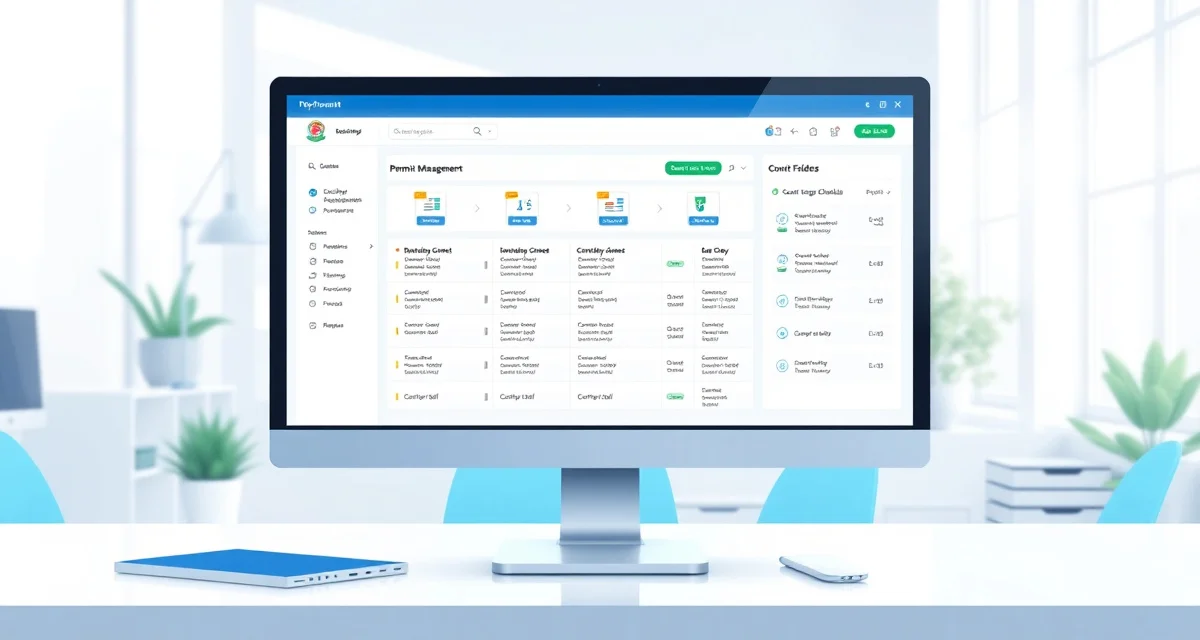
SepticMind's multi-county permit dashboard aggregates every open permit by county and deadline in one view. When you create a job in any county, the system identifies which permits are required for that job type in that county's jurisdiction and links them to the job record.
The dashboard shows:
- Active permits by county with days until renewal
- Pending permit applications with expected approval dates
- Expired permits flagged for immediate renewal
- Missing permits for scheduled job types
Septic permit tracking software built specifically for this problem is how companies manage permit tracking for growing multi-county operations without hiring additional administrative staff.
What Is the Best Way to Get Notified About Upcoming Deadlines?
The best notification system for permit deadlines has three characteristics: it's automatic, it reaches multiple people, and it escalates if action isn't taken.
Automatic: The notification should generate without anyone having to remember to look at a calendar or check a spreadsheet. If the alert depends on human initiative to trigger, it will eventually miss.
Multiple recipients: A permit renewal alert that goes to only one person fails when that person is on vacation, sick, or simply overwhelmed. Critical alerts should go to the permit owner and their backup.
Escalating: If a permit renewal alert is sent and no action is logged after 7 days, an escalation should go to the next level of management. The first alert is a heads-up. The escalation is a fire alarm.
SepticMind's permit deadline notifications work on this model. Initial alerts go out at 60 days and 30 days before expiration. If no renewal action is recorded in the system by the 15-day mark, an escalation alert goes to the company owner or designated manager.
This is especially useful for companies where the permit owner role is held by someone in the field. A technician who's the designated owner for pump-out permits in their home county needs alerts that will actually reach them on their phone, not just an email they'll see when they get to the office.
Can One Person Manage Permit Tracking for a 20-Truck Multi-County Operation?
Yes. With the right tools, one person can manage permit tracking for a 20-truck multi-county operation. Without the right tools, even two people can't do it reliably.
The key insight is that permit tracking is primarily an information management problem, not a labor problem. If your system surfaces the right information at the right time, one person can act on it efficiently. If your system requires someone to constantly search for information (checking multiple spreadsheet tabs, digging through email threads, calling county offices to confirm status), that's where the labor requirement grows.
A permit tracking coordinator using SepticMind for a 20-truck, 8-county operation would typically spend:
- 20-30 minutes daily reviewing the dashboard and acting on any flagged items
- 1-2 hours per week processing renewals that come due
- Occasional time responding to county correspondence
Compare that to the 5-8 hours per week typical of manual multi-county tracking, and the efficiency difference is clear.
County-Specific Requirements Database
The other half of multi-county permit tracking is knowing what each county requires. This isn't just about renewal dates. It's about knowing:
- Which permit types exist in each county
- What documentation each permit application requires
- How applications must be submitted (online portal, mail, in-person)
- What the typical approval timeline is
- Who to contact when there's a question or problem
SepticMind's county permit requirements database covers 3,100+ US counties. When you add a new county to your service area, the system already knows the permit types and requirements for that county. You don't have to call the county health department to build your own reference document.
This database is especially valuable when you're expanding into a new county quickly, perhaps after an acquisition or when you win a contract in a new area. You can be operationally compliant from the first job.
Building a Multi-County Permit Calendar
Even with software handling most of the tracking, a visual calendar of major permit renewals helps with planning. At the start of each quarter:
- Pull all permits expiring in the next 90 days from your system.
- Identify which require long lead time for renewal (some county permits require 30-60 day advance application).
- Schedule renewal tasks in your system for each permit, assigned to the appropriate owner.
- Review the list with your office team so everyone knows what's coming.
This quarterly review takes about 30 minutes and prevents the end-of-quarter scrambles that happen when a permit renewal deadline surprises everyone.
Get Started with SepticMind
Permit compliance across multiple counties is one of the first places a growing septic business loses control. SepticMind's permit database and tracking tools cover all 50 states with county-level detail, automated deadline alerts, and document storage by project. See how permit management works.
FAQ
How do I organize permits when my company works in 8 different counties?
Use one centralized tracking system with consistent fields for every permit across all counties. Organize by permit type first, then by county. Set automatic alerts at 60 and 30 days before each expiration, assigned to a named owner. Use SepticMind's multi-county dashboard to see all open permits by status and deadline in a single view without switching between county-specific folders or spreadsheets.
What is the best way to get notified about upcoming permit renewal deadlines?
The most reliable notification system is automated, reaches multiple people, and escalates if no action is taken. Calendar-based manual reminders are too fragile for multi-county operations. Software that automatically generates alerts 60 and 30 days before expiration, sends them to both the permit owner and a backup contact, and escalates to management if action isn't logged by the 15-day mark gives you the layered protection that prevents missed renewals.
Can one person manage permit tracking for a 20-truck multi-county operation?
Yes, with the right tools. One person using a centralized permit tracking system like SepticMind can manage permit compliance for a large multi-county operation in 30-60 minutes per day. Without centralized tools, the same task requires 5-8 hours per week and still produces gaps. The difference is whether your system surfaces information automatically or whether you have to go looking for it.
What are the consequences of performing septic work without a required permit?
Performing septic work without required permits can result in stop-work orders halting the project, fines on a per-day or per-violation basis, mandatory removal of unpermitted work at the contractor's expense, and referral to the contractor licensing board for potential license action. In some states, unpermitted septic work also creates civil liability for the contractor if the system later fails and the homeowner can show the work was not properly inspected. Obtaining permits before beginning work protects both the contractor and the property owner.
How should a septic company track permit deadlines across multiple counties?
A spreadsheet can work for a single county, but multi-county permit tracking requires a system with automated deadline alerts, status tracking, and the ability to store permit documents by project. The most common failure mode is a permit that was applied for and approved but whose inspection deadline was missed because no one was actively monitoring it. Purpose-built septic software with a permit tracking module flags upcoming deadlines automatically and keeps all permit documentation attached to the relevant project record.
Try These Free Tools
Sources
- National Onsite Wastewater Recycling Association (NOWRA)
- US EPA Office of Wastewater Management
- NSF International
- Water Environment Federation
- National Environmental Services Center (NESC)