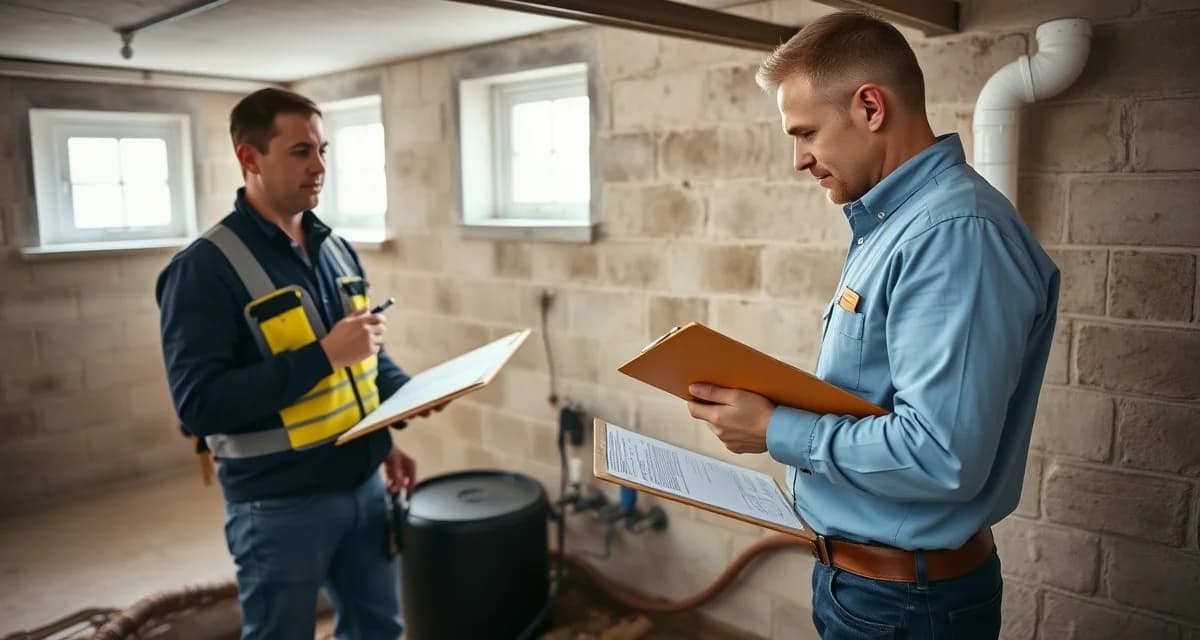
Septic Inspection Guide for Home Buyers: What to Expect and Ask For
By the SepticMind Editorial Team
Thirty-one percent of home buyers in rural areas encounter a septic system during their first home purchase without any prior knowledge of how these systems work. That's a notable portion of buyers making one of the largest financial decisions of their lives while uncertain about a major system that could cost tens of thousands of dollars to repair or replace.
TL;DR
- Septic inspections require state-specific report formats that must be completed correctly before they are accepted by regulators, lenders, or buyers.
- Photo documentation with timestamps and GPS coordinates is the minimum standard for defensible inspection reports.
- Real estate inspection reports in most states must be filed with the county health department within a specified timeframe.
- Inspector credentials must be current and visible on every submitted report; expired credentials are grounds for report rejection.
- Digital inspection tools reduce report completion time from hours to minutes and eliminate transcription errors.
- Consistent documentation quality across all technicians protects company reputation in the real estate inspection market.
Homebuyers who understand septic inspection results make faster decisions and create fewer post-sale disputes. Inspectors who provide educational content generate 2.4 times more real estate referrals from agents. Those two facts connect: when you help buyers understand the process, you serve the buyer better and you build stronger relationships with the agents who refer business to you.
Here's what every home buyer needs to know about septic inspections.
What a Septic Inspection Is, and What It Isn't
A septic inspection evaluates the observable condition of the septic system at the time of the inspection. It's not a warranty. It's not a guarantee of future performance. It's a professional assessment of current condition based on what the inspector can see and test.
This distinction matters because septic systems can develop problems between inspections. A system that passes inspection today can have a drainfield failure in three years if loading increases or components age past their service life. A passing inspection tells you the system is functioning adequately right now, which is what you need for the purchase decision.
The inspection includes physical examination of the tank, baffles, distribution components, and drainfield area. It may also include tank pumping, which allows the inspector to evaluate the interior components when they're not obscured by liquid and solids.
What Does the Inspection Cover?
A complete septic inspection covers:
The tank. Structural condition, inlet and outlet baffles, liquid level, and the condition of the access lids and risers. The tank is the heart of the system, and its condition affects everything downstream.
The distribution system. How effluent flows from the tank to the drainfield. This might be a gravity distribution box, a pressure pump chamber, or a specific distribution method for alternative systems.
The drainfield. This is the most critical evaluation. The inspector walks the drainfield area and looks for surface saturation, abnormal vegetation growth, surface odors, or any evidence that the drainfield is not absorbing effluent properly. A failed drainfield is the most common and most expensive septic system failure.
Alternative system components. If the property has an aerobic treatment unit, mound system, drip system, or other alternative technology, the inspection covers the components specific to that system type.
What a Passed vs Failed Inspection Means for a Real Estate Transaction
A passed septic inspection means the inspector found all observable components functioning within expected parameters at the time of inspection. This is what most lenders require to proceed with financing on a property with a septic system.
A failed inspection is more complicated. Failed inspections mean different things depending on what failed:
Failed baffle. This is often repairable at moderate cost ($100-400 in many cases). A failed baffle alone doesn't necessarily mean the system is otherwise compromised.
Failed drainfield. This is a more serious finding. Drainfield replacement costs $8,000-25,000 depending on the system type, site conditions, and local soil. This finding typically triggers negotiation on price, a seller credit for repair, or repair prior to closing.
System beyond economically reasonable repair. Sometimes a system has failed to a degree where restoration isn't practical. In these cases, the property may require a new system entirely.
When a buyer receives a failed inspection result, their options are to negotiate with the seller for a price reduction or repair credit, require the seller to repair before closing, or walk away from the transaction if the contract allows. The inspection contingency in most real estate contracts gives buyers this flexibility.
What a Conditional Pass Means
Conditional pass is the finding that creates the most confusion. It means the system is currently functioning but has one or more components in deteriorated condition that require attention.
What the buyer needs to understand about a conditional pass:
- The system is working right now
- One or more components need repair or replacement within a specified timeframe
- The condition creating the conditional finding should be assessed for cost of repair
- The buyer and their agent should negotiate accordingly
A conditional pass on a baffle that's 60% deteriorated is very different from a conditional pass on a distribution system that's marginally functional. Ask the inspector to explain the specific condition in plain language.
How to Schedule and What It Costs
How quickly can a septic inspection be scheduled for a pending real estate sale? Most inspection companies can schedule within 2-5 business days. In busy markets or during peak real estate season, scheduling within that window may require some flexibility on timing.
Call early in the transaction. Don't wait until two weeks before closing to schedule. If the inspection reveals a notable issue, you'll need time to negotiate repairs or credits, complete additional inspections if needed, and get closing documents in order.
Inspection costs vary by region, system type, and whether tank pumping is included:
- Conventional residential inspection (without pumping): $200-400
- Conventional residential inspection (with pumping): $300-600
- ATU or alternative system inspection: $350-600
- Commercial property inspection: $500+
Ask whether pumping is included before booking. Many lenders and some states require pumping as part of the inspection.
For connecting with a licensed inspector in your area, the real estate septic inspection software guide covers what to look for in an inspection company. For report formats and what your lender may require, the inspection report software page covers common lender requirements.
Get Started with SepticMind
Inspection work is the highest-visibility service in the septic trade, and your documentation quality directly affects your reputation with real estate agents, lenders, and county officials. SepticMind generates state-formatted inspection reports in the field with photo documentation attached. See how it supports your inspection workflow.
Frequently Asked Questions
What does a home buyer need to know about septic inspections?
A septic inspection evaluates the observable condition of the system at the time of inspection. It covers the tank (structure, baffles, liquid level), the distribution system, and the drainfield area. It's not a warranty of future performance but a professional assessment of current condition. Most lenders require a passing inspection for properties with septic systems. Schedule the inspection early in the transaction, not close to the closing date, so you have time to act on the results.
What does a passed vs failed septic inspection mean for a real estate transaction?
A passed inspection means the inspector found all observable components functioning within normal parameters. A failed inspection indicates one or more components are not functioning properly. Failure findings range from repairable issues (a failed baffle at $100-400) to major findings (a failed drainfield at $8,000-25,000). Most purchase contracts include a septic inspection contingency that allows the buyer to negotiate repairs, a seller credit, or withdrawal from the contract if the inspection reveals notable issues.
How quickly can a septic inspection be scheduled for a pending real estate sale?
Most inspection companies can schedule within 2-5 business days. During busy real estate seasons (spring and summer), scheduling windows may extend. Call to schedule as soon as the inspection contingency period begins, not days before the deadline. If notable issues are found, you'll need time within the contingency period to negotiate with the seller. Inspectors who use digital workflows can typically deliver the completed report the same day as the site visit, which helps when the timeline is tight.
What is the difference between a septic inspection and a septic pump-out?
A pump-out removes accumulated sludge and scum from the tank. An inspection evaluates the condition of all accessible system components: tank structure, baffles, distribution box, drainfield, and in some cases the outlet line. A real estate or regulatory inspection produces a written report in the state-required format with findings and a pass/conditional pass/fail determination. Many inspection visits include a pump-out as part of the service, but the pump-out alone is not the inspection.
Can inspection reports be submitted electronically to the county?
Yes, most counties and state agencies accept electronic inspection report submissions and many now prefer or require them. The report must be in the state-required format and include all required fields, the inspector's credentials, and any required signatures or attestations. Purpose-built inspection software generates the report in the correct state format and can submit it electronically directly from the field.
Try These Free Tools
Sources
- National Onsite Wastewater Recycling Association (NOWRA)
- US EPA Office of Wastewater Management
- NSF International
- American Society of Home Inspectors (ASHI)
- Water Environment Federation